What is a License Plate Recognition Camera?
Definition and Functionality
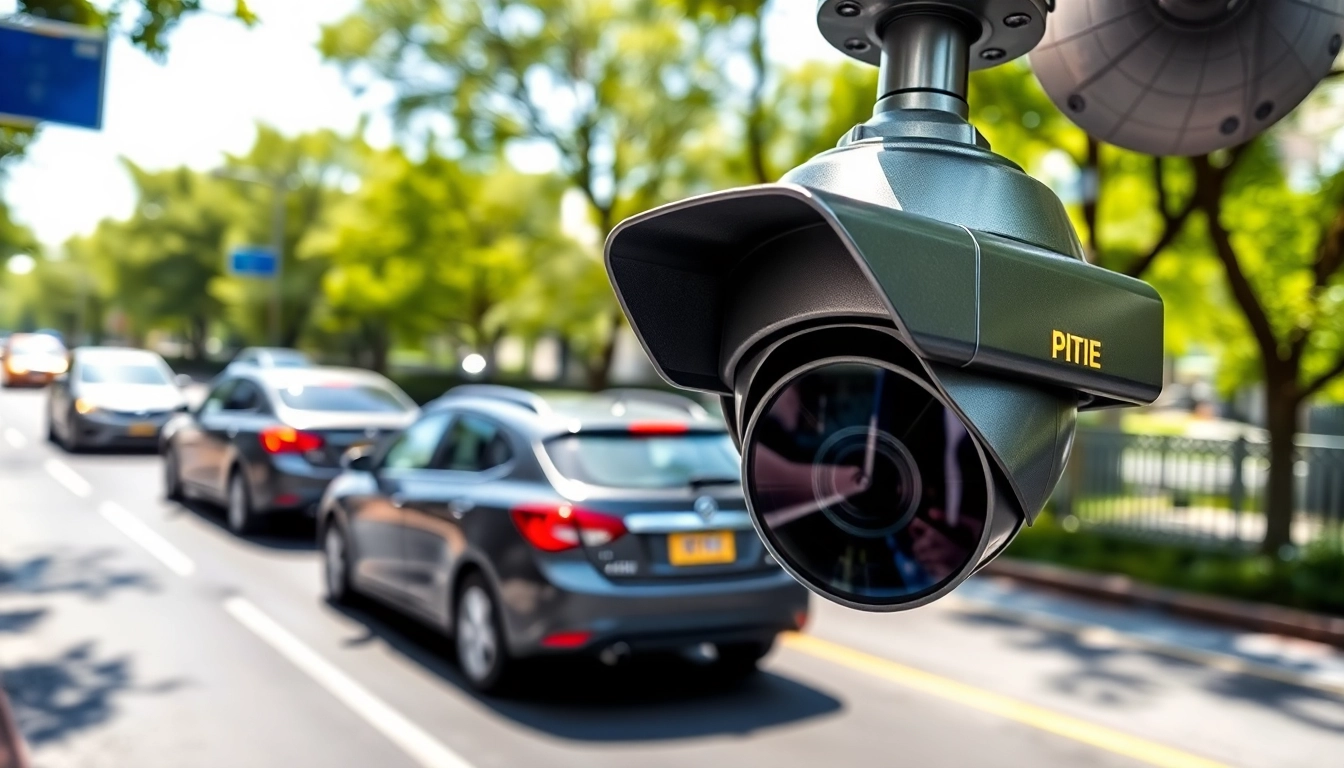
A license plate recognition camera is a specialized optical device designed for the automatic recognition of vehicle license plates. These cameras utilize advanced imaging technology, including infrared and high-resolution sensors, to capture clear images of license plates across various light conditions. The primary function of these cameras is to read, record, and analyze license plate information, making them invaluable tools for security, law enforcement, and traffic management.
How It Works
The functioning of a license plate recognition camera can be broken down into several key steps. Initially, the camera captures real-time video footage of passing vehicles. Advanced algorithms then process this footage to isolate and enhance the license plate image. Optical Character Recognition (OCR) technology is subsequently employed to translate the visual data into machine-readable text, identifying the characters on the plate while filtering out background noise. The resulting data is stored in a database for further evaluation or action.
Key Components
Typical components of a license plate recognition camera system include:
- High-resolution Camera: Captures detailed images necessary for accurate recognition.
- Infrared Lighting: Ensures visibility during night-time operations or poor lighting conditions.
- OCR Software: Converts captured images into readable text.
- Database Storage: Organizes the processed data for easy access and retrieval.
- User Interface: Allows operators to monitor, configure settings, and analyze captured information.
Benefits of Using a License Plate Recognition Camera
Enhanced Security Monitoring
One of the most significant benefits of utilizing a license plate recognition camera is enhanced security monitoring. These cameras can be strategically placed at entry points of secure facilities, parking lots, and other high-traffic areas. By automatically identifying vehicles entering or exiting a location, they help prevent unauthorized access and ensure the safety of sensitive areas. Alerts can be generated for suspicious activity, allowing security personnel to respond promptly.
Data Collection and Management
License plate recognition cameras gather invaluable data by keeping track of traffic patterns, vehicle types, and frequency in various locations. This data can guide operational decision-making for businesses or law enforcement agencies, enhancing resource allocation, and planning. Furthermore, the ability to store and analyze historical data provides insights into emerging trends, enabling proactive management of security and traffic issues.
Cost-Effectiveness
While the initial investment in a license plate recognition camera system may seem significant, the long-term savings can be substantial. Automating the process of license plate detection reduces staffing needs for manual monitoring and enhances the efficiency of parking operations. Over time, businesses save on labor costs and can improve their customer service by streamlining guest access and reducing wait times.
Applications of License Plate Recognition Cameras
Law Enforcement Use Cases
Law enforcement agencies widely deploy license plate recognition cameras for various applications, notably in surveillance and crime prevention. They assist in tracking stolen vehicles, enforcing parking regulations, and monitoring criminal activity. Some police departments even use them to create comprehensive databases for vehicle tracking, expediting investigations through real-time access to critical vehicle information.
Parking Management Solutions
In the realm of parking management, license plate recognition cameras play a transformative role. These systems facilitate automated entry and exit control, effectively monitoring vehicle flow and occupancy rates. Integration with parking payment solutions further enables seamless transactions, allowing customers to pay through mobile applications or automated kiosks, thus enhancing the user experience and optimizing revenue for parking facilities.
Commercial and Residential Applications
Beyond law enforcement and parking management, license plate recognition cameras find applications in various commercial and residential contexts. They can be employed in gated communities to manage resident access, offer business premises an additional layer of security, and support customer loyalty programs by identifying returning clients. This versatility illustrates how these cameras can tailor operations in numerous environments, ultimately improving safety and efficiency.
Choosing the Right License Plate Recognition Camera
Key Features to Consider
When selecting a license plate recognition camera, several essential features should be taken into account:
- Image Quality: A high resolution ensures clarity in captured plates.
- Field of View: Wider coverage may be necessary for monitored areas with multiple entry points.
- Night Vision Capabilities: Infrared technology enables effective operation in low-light conditions.
- Processing Speed: Quick image processing reduces the likelihood of missed data.
- Integration Potential: Compatibility with existing security systems enhances functionality.
Comparing Brands and Models
It’s critical to evaluate various brands and models when considering a purchase. Reviewing customer reviews, expert ratings, and specific use-case applications can provide insights into the performance of different models. Additionally, it’s vital to assess warranty offers, customer support, and software updates, ensuring your investment remains up-to-date with the latest technology.
Installation Considerations
Proper installation is essential for the effective functioning of a license plate recognition camera system. Factors to consider include height positioning, angle adjustments, and alignment for optimal field coverage. Collaborating with professional installers familiar with local regulations and requirements can significantly improve both the performance and compliance of the system.
FAQs about License Plate Recognition Cameras
What are the common uses for license plate recognition cameras?
Common uses include security monitoring, traffic management, law enforcement applications, and parking management, enhancing vehicle identification and data collection.
How accurate are license plate recognition cameras?
Accuracy rates can exceed 90%, depending on factors such as camera quality, lighting conditions, and the sophistication of the OCR software used.
Can these cameras work at night?
Yes, license plate recognition cameras equipped with infrared technology can capture clear images in low-light conditions, enabling reliable night-time operation.
Are license plate recognition cameras legal?
Generally, license plate recognition cameras are legal, but regulations vary by location. Checking local laws regarding privacy rights is advisable before installation.
How do I maintain a license plate recognition camera?
Routine maintenance includes cleaning lenses, verifying software updates, and checking installation angles. Regular inspections ensure optimal performance and longevity.