
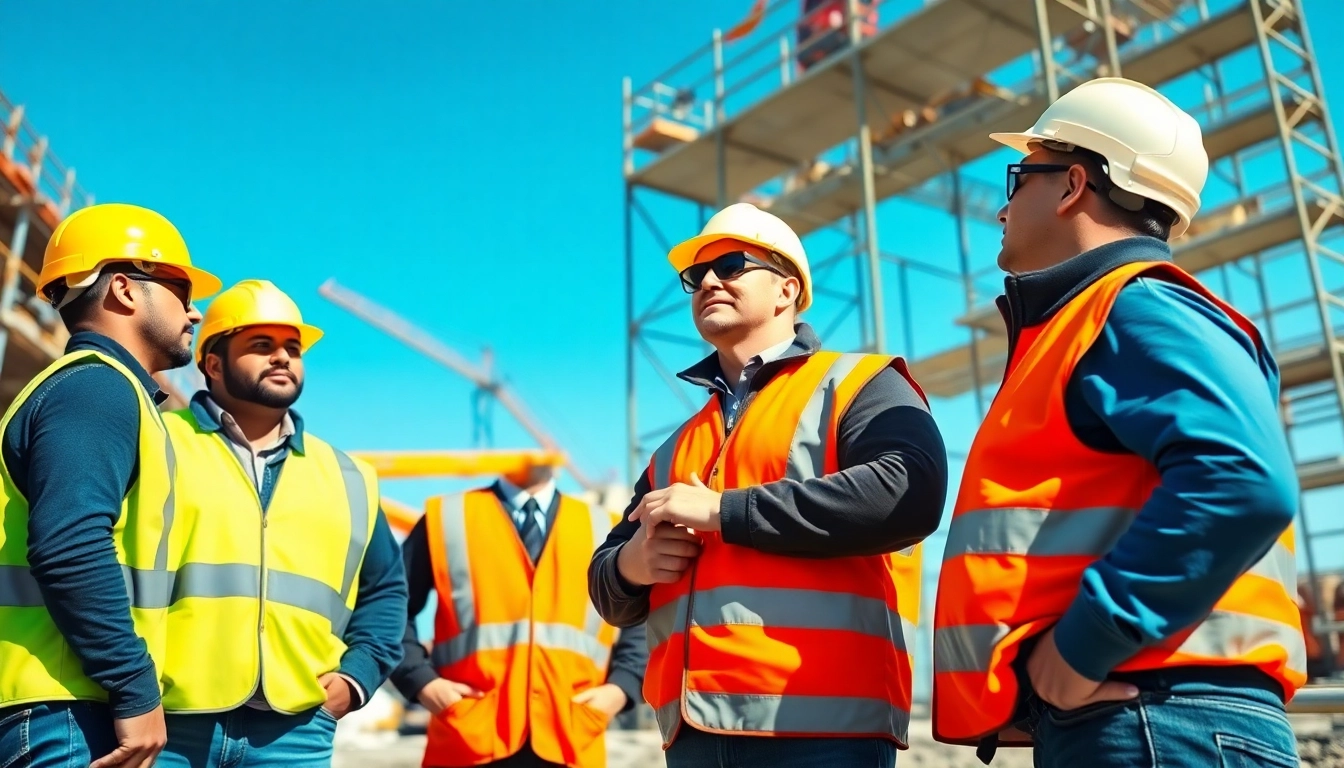
Understanding Construction Site Safety
Definition of Construction Site Safety
Construction site safety encompasses the protocols and measures implemented to ensure a safe working environment for personnel involved in construction projects. It integrates physical safety precautions, training, equipment, and managerial strategies specifically designed to prevent accidents and injuries.
Construction site safety should address numerous aspects including machinery operation, safety gear, and health standards. Implementing effective safety measures can greatly reduce workplace incidence, ensuring that workers consistently adhere to established safety practices.
The Importance of Safety in Construction
The construction industry is inherently dangerous, with a higher incidence of workplace accidents compared to other sectors. Hence, prioritizing construction site safety is vital for several reasons:
- Legal Compliance: Adhering to safety regulations helps avoid legal issues and penalties.
- Employee Morale: A safe working environment fosters trust and boosts employee morale, reducing turnover.
- Financial Savings: Lower accident rates can result in decreased insurance costs and compensation claims.
- Project Efficiency: Safety protocols increase overall efficiency, allowing projects to proceed without significant delays.
Common Risks on Construction Sites
Construction sites are riddled with risks that can pose threats to worker safety. Common hazards include:
- Falls: Falls from heights, particularly scaffolding and ladders, are leading causes of injury.
- Equipment-related Injuries: Machinery or tool mishaps can result in severe injuries or fatalities.
- Slips and Trips: Wet surfaces, debris, and uneven terrain create unsafe conditions.
- Hazardous Materials: Exposure to chemicals without adequate safety measures can lead to severe health issues.
Key Safety Regulations and Standards
Overview of OSHA Guidelines
The Occupational Safety and Health Administration (OSHA) plays a crucial role in establishing safety standards for the construction industry. OSHA regulations cover many aspects, including fall protection, scaffolding safety, and electrical safety. Compliance with these guidelines is mandatory for construction companies and helps protect workers from various risks.
Employers must ensure that safety programs are in place, including regular training and the use of proper safety equipment. Being aware of OSHA’s current standards and updates can significantly enhance overall site safety.
Local Building Codes and Compliance
Local building codes supplement OSHA guidelines by providing specific requirements that align with regional standards. These codes can vary significantly from one location to another, informing safety practices around structural integrity, fire safety, and emergency exit accessibility.
Ensuring compliance with local codes not only mitigates risks but also fosters accountability among contractors and workers. Regular audits and inspections should be conducted to ensure adherence to these crucial standards.
Understanding Safety Certifications
Obtaining safety certifications can enhance a construction company’s credibility and commitment to safety. Certifications such as the OSHA 10-hour and 30-hour courses provide essential training and are testament to a company’s dedication to maintaining a safe work environment.
Beyond legal compliance, certifications can give companies a competitive edge, appealing to clients who prioritize safety in their project bids.
Best Practices for Maintaining Safety
Personal Protective Equipment (PPE) Use
Employing appropriate Personal Protective Equipment (PPE) is fundamental for safeguarding workers on construction sites. Essential items include hard hats, gloves, safety goggles, hearing protection, and steel-toed boots. Employers must identify relevant hazards and ensure that workers are trained on the correct use and maintenance of this equipment.
Regular inspections should be conducted to identify and replace worn or damaged PPE to maintain optimal safety levels.
Site Inspections and Hazard Assessments
Regular site inspections and hazard assessments are essential for identifying risks before they lead to incidents. Inspectors should evaluate conditions and equipment to assess potential hazards and implement corrective actions promptly. Engaging workers in these assessments encourages a culture of safety and accountability.
Utilizing checklists can streamline this process, ensuring that no aspect of safety is overlooked during site evaluations.
Emergency Response Planning
Preparation for emergencies is critical on construction sites. Emergency response planning should include developing procedures for various scenarios, such as injuries, fires, and natural disasters. Workers should be trained on these protocols regularly, and simulated drills should be conducted periodically to enhance preparedness.
The establishment of first-aid stations and the availability of trained personnel can further augment site safety.
Worker Training and Education
Importance of Regular Safety Training
Regularly scheduled safety training is essential for equipping workers with the knowledge and skills required to operate safely. Training should cover general safety procedures, the proper use of PPE, and handling equipment safely. By reinforcing safety principles, businesses can significantly decrease accident and injury rates.
Employers should tailor training to meet the unique conditions of each site to ensure relevant and effective learning outcomes.
Incorporating Safety Into Daily Tasks
Incorporating safety into everyday tasks ensures that it becomes a habitual practice among workers. This may include daily safety briefings, encouraging workers to report unsafe conditions, and acknowledging safe practices publicly. Recognizing individuals for exemplary safety can foster a culture of safety and motivate others.
Resources for Construction Safety Education
Numerous resources are available for enhancing education and awareness about construction safety. Online platforms, local safety organizations, and workshops dedicated to safety training can provide valuable insights and updated information. Keeping informed about best practices and new regulations can significantly enhance site safety.
Measuring Safety Performance
Key Performance Indicators in Safety
To effectively evaluate safety performance, companies should use Key Performance Indicators (KPIs). Important KPIs may include incident rates, the frequency of safety training sessions, and compliance rates with safety protocols. Monitoring these metrics allows organizations to assess their safety initiatives’ effectiveness and adapt strategies accordingly.
Incident Reporting and Analysis
Thorough incident reporting and analysis is vital for identifying patterns and underlying causes of accidents. When incidents occur, they should be documented meticulously to facilitate learning. Employers can analyze trends to develop preventive measures, thereby reducing or eliminating future occurrences.
Continuous Improvement Strategies
Fostering a culture of continuous improvement is crucial for enhancing construction site safety. By regularly revisiting safety protocols and remaining open to feedback, companies can implement proactive strategies that address potential risks before they escalate into accidents. Engaging employees in the improvement process ensures that multiple perspectives are considered, yielding more comprehensive safety practices.
Frequently Asked Questions
What is the primary goal of construction site safety?
The primary goal of construction site safety is to prevent accidents and injuries by implementing proper protocols, training, and using protective equipment.
How often should safety training be conducted?
Safety training should be conducted regularly, ideally every month or quarter, depending on project scale and complexity, to reinforce safety procedures.
What is the role of PPE in construction safety?
PPE protects workers against specific hazards, reducing the risk of injuries from falls, electrical shock, machinery, and exposure to harmful substances.
Why are site inspections necessary?
Site inspections are essential for identifying potential hazards and ensuring compliance with safety regulations, thus maintaining worker safety at all times.
What should be included in an emergency response plan?
An emergency response plan should detail protocols for injuries, chemical spills, fires, and natural disasters, along with evacuation routes and first aid measures.