Understanding Commercial Roofing
When it comes to constructing or renovating commercial buildings, selecting the right roofing system is crucial. Commercial roofing encompasses a variety of materials and systems designed specifically for non-residential structures. Given the diversity of commercial buildings—from retail spaces to warehouses—the roofing requirements can vary significantly. This comprehensive guide aims to unpack the complexities of commercial roofing, helping businesses make informed choices that ensure durability and cost-effectiveness.
What is Commercial Roofing?
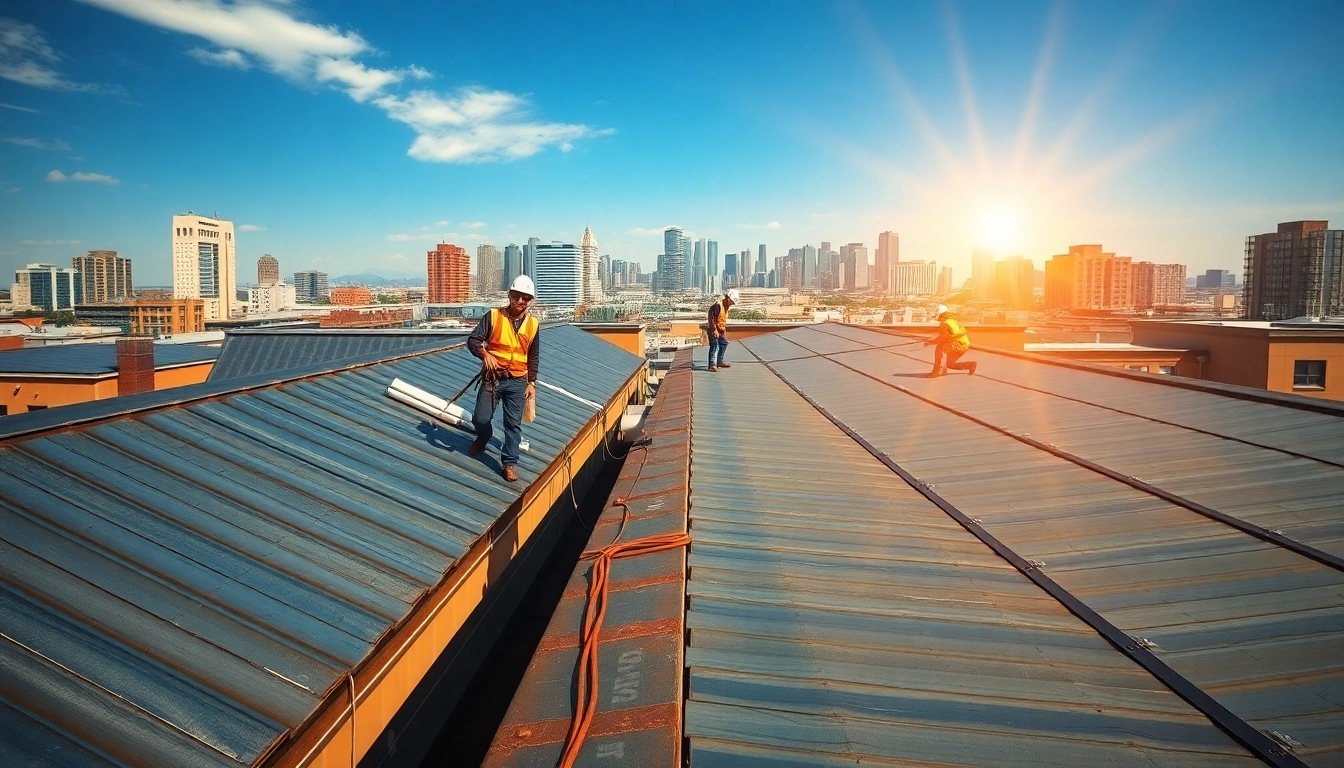
Commercial roofing refers to roofing systems that are designed for commercial building projects. Unlike residential roofs, which often have steep pitches and are constructed with different materials such as shingles or tiles, commercial roofing comes in multiple forms, including flat, low-slope, or even curved designs. These roofs are often constructed using materials that are more robust than those typically used in residential applications, enabling them to withstand the stresses of higher foot traffic and extreme weather conditions.
Types of Commercial Roofing Systems
Understanding the various types of commercial roofing systems available is key to making the right choice. Here are some of the most common options:
- Single-Ply Membrane Roofing: Lightweight and easy to install, single-ply roofing systems, including TPO and EPDM, are popular due to their flexibility and resistance to various weather conditions.
- Built-Up Roofing (BUR): Made by layering alternating materials, BUR is known for its durability and reliability, commonly used on flat roofs.
- Modified Bitumen Roofing: This system combines asphalt with polymerized rubber or plastic, offering enhanced flexibility and UV resistance.
- Metal Roofing: Known for its longevity and low maintenance, metal roofs are increasingly used in commercial settings due to their resilience against adverse weather.
- Green Roofing: Also known as living roofs, green roofing systems incorporate vegetation to provide insulation and manage stormwater.
Key Benefits of Investing in Commercial Roofing
Investing in quality commercial roofing provides numerous advantages that extend beyond mere aesthetics:
- Durability: Commercial roofing systems are designed to endure the elements, reducing long-term repair costs.
- Energy Efficiency: Many modern roofing materials reflect heat, helping to lower energy bills and carbon footprints.
- Increased Property Value: A durable and effective roofing system can significantly enhance the value of a commercial property.
- Improved Indoor Comfort: Quality roofs contribute to better insulation, resulting in consistent indoor temperatures.
The Importance of Quality Materials in Commercial Roofing
The choice of materials plays a pivotal role in the performance and lifespan of commercial roofing systems. Opting for quality materials not only ensures better construction but also contributes to long-term savings on maintenance and repairs.
Choosing Durable Roofing Materials
When it comes to selecting durable roofing materials, several factors should be taken into consideration:
- Weather Resistance: Materials should be chosen based on their ability to withstand local weather conditions, including wind, rain, and UV exposure.
- Weight: Heavier materials may provide better durability but can also strain the building’s structure. Balance is key.
- Maintenance Requirements: Some materials require more upkeep than others; understand what each option entails.
Comparing Roofing Material Costs
Cost is an essential consideration in any roofing project. Comparisons should be made not just on initial expenses but also on lifecycle costs. Factors like longevity, warranties, and maintenance costs can drastically affect the overall price of the roofing system over time. For instance, although metal roofing may have a higher upfront cost, its durability often allows for significant savings over decades.
Understanding Energy Efficiency in Roofing Choices
Energy efficiency should be at the forefront when choosing roofing materials. Many modern systems are designed with reflective properties that reduce heat absorption. Additionally, incorporating insulation can further enhance a roof’s energy performance, contributing to lower utility bills and a reduced carbon footprint.
Installation Best Practices for Commercial Roofing
The installation process of commercial roofing is critical to its functionality and longevity. Any mistakes during installation can lead to significant problems down the line.
Hiring a Professional Roofing Contractor
Choosing a qualified professional for installation is perhaps the most important decision in the roofing process. Qualified contractors bring experience, specialized knowledge, and a proven track record. When evaluating potential contractors, consider their certifications, years of experience, and customer reviews. Additionally, gaining multiple estimates can help ensure competitive pricing while not compromising quality.
Preparing Your Building for Roofing Installation
Prior to installation, a site assessment is crucial. This includes evaluating structural integrity, existing roofing materials, and drainage systems. Ensuring that building codes and regulations are adhered to will eliminate delays and ensure safety during the project.
Common Installation Mistakes to Avoid
Some frequent errors can jeopardize a roofing project’s success. Common pitfalls include:
- Improperly installed flashing.
- Neglecting to account for thermal expansion and contraction.
- Using inadequate or mismatched materials.
Maintaining Your Commercial Roofing
Once installed, a commercial roofing system requires regular maintenance to extend its life and performance. Neglecting this can lead to expensive repairs or premature replacement.
Routine Inspection Practices
Establishing a routine inspection schedule can help identify problems before they exacerbate. Inspections should include checking for leaks, evaluating the integrity of flashing, and clearing debris from drains and gutters.
Identifying Signs of Wear and Tear
It’s essential to be proactive in recognizing issues that could indicate roofing problems, such as:
- Water stains on ceilings or walls.
- Pooling water on the roof after rain.
- Visible cracks or blisters on the roof surface.
Strategies for Effective Roof Maintenance
To maximize the lifespan of a commercial roof, consider implementing the following strategies:
- Regular cleaning to remove debris and prevent water pooling.
- Promptly addressing any repairs to prevent escalating issues.
- Maintaining effective drainage systems to avoid water accumulation.
Navigating Commercial Roofing Regulations and Warranties
Before initiating a roofing project, it is crucial to understand the regulations and warranties applicable to commercial roofing systems. Compliance with local building codes can save time, money, and legal complications.
Understanding Local Building Codes
Each location may have different regulatory requirements for roofing materials, drainage, and safety measures. Familiarizing oneself with local codes and obtaining necessary permits is critical before commencing installation.
Choosing the Right Warranty for Your Roofing System
Warranties can vary greatly in terms of coverage and duration. Evaluating the terms of a warranty can provide insights into what is covered, including labor and materials, as well as what factors may void the warranty.
How to File a Warranty Claim Effectively
In the event that a warranty claim needs to be filed, it is important to maintain detailed records of the roofing installation process, including contracts, invoices, and any communication with contractors. This documentation can help facilitate a smoother claims process.
Frequently Asked Questions about Commercial Roofing
1. What is the lifespan of a commercial roof?
The lifespan can vary greatly depending on the materials used. Generally, most commercial roofing systems last between 15 to 30 years.
2. How often should commercial roofs be inspected?
It is generally recommended to inspect commercial roofs at least twice a year, and after severe weather events, to ensure no damage has occurred.
3. What are common roofing warranties?
Common warranties cover materials and labor, allowing for repairs and replacements at no cost if issues arise unexpectedly.
4. Can I install a commercial roof myself?
While DIY installation is possible, hiring a professional is advised due to the complexities and safety risks involved in commercial roofing.
5. What factors affect commercial roofing costs?
Costs can be influenced by materials, roof size, complexity of the installation, and local labor rates. Scheduling and timing can also play a role.