
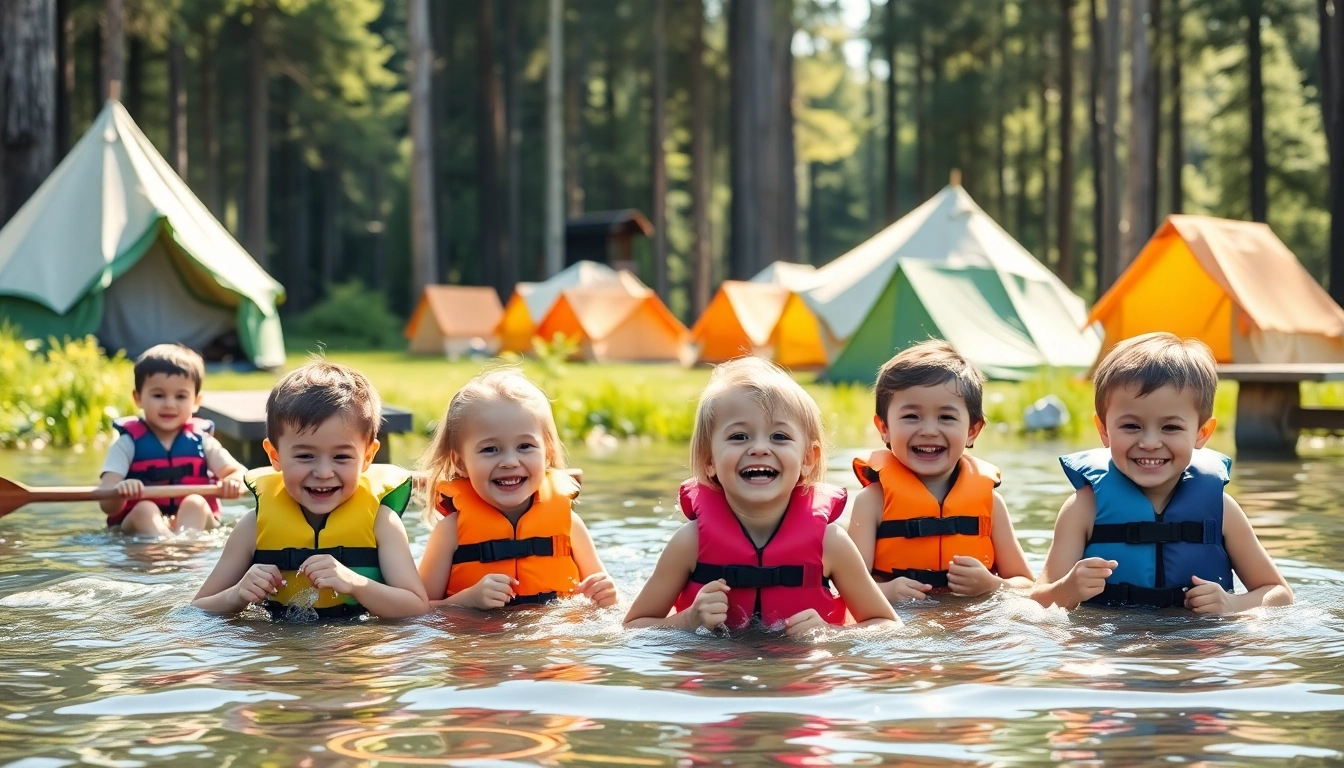
Understanding the Importance of Overnight Camps
For many families, sending children to overnight camps can be a transformative experience. This transition from daily routines at home to the camp environment offers numerous benefits that contribute to a child’s overall development. Understanding the importance of these camps can help parents make informed decisions while preparing their children for their first camp experience. In doing so, families are not just investing in a season of fun but also in valuable life skills. If you’re navigating the first time at overnight camps, consider the following insights.
Benefits of Exposure to Overnight Camps
Exposure to overnight camps provides children with a unique blend of social interaction, physical activity, and personal growth. First-time campers experience exciting activities that deviate from the norm, which encourages them to step out of their comfort zones. This experience can foster greater self-confidence and allows children to become more resilient and adaptable.
Emotional Growth and Independence Development
Overnight camps play a crucial role in emotional growth. By spending time away from parents, children learn to make decisions independently, face challenges, and cope with the ups and downs of camp life. This emotional growth is essential, laying the groundwork for their ability to handle future challenges in both personal and academic settings.
The Role of Camp in Social Skills Enhancement
Overnight camps function as microcosms of society, allowing children to interact with peers from various backgrounds. These interactions promote social skills such as cooperation, empathy, and communication. Friends are made over shared experiences, be it campfire songs or adventure activities, helping children learn to navigate relationships effectively.
Preparing for the First Time at Overnight Camps
Preparation for the first time at overnight camps can significantly impact a child’s experience. From packing to discussing expectations, proactive preparation helps alleviate anxiety and set the stage for a successful camp adventure.
Essential Packing Tips for First-Time Campers
Packing wisely is essential for first-time campers. Beyond just following a packing list, parents should involve their children in the process to personalize their gear. Here are some key packing tips:
- Label Everything: Ensure that all belongings are clearly labeled with the child’s name to reduce the risk of lost items.
- Pack Comfort Items: Including a favorite stuffed animal or blanket can provide emotional support during homesick moments.
- Consider Weather Conditions: Check camp schedules for weather forecasts and pack accordingly—rain gear and warm layers may be necessary.
Discussing Camp Expectations with Your Child
Setting clear expectations before camp can significantly impact how children perceive their experience. Have open discussions about what they can expect at camp, including activities, food, rules, and friendships.
Address common apprehensions by sharing stories of resilience and excitement from your own experiences or from other camp alumni. This helps in normalizing the emotions they might feel when away from home.
Practice Independence at Home Before Camp
Encouraging independence at home can better prepare children for overnight camps. Parents can initiate activities that require decision-making and self-care. Some practical steps include:
- Assign Age-Appropriate Chores: Allow children to manage their schedules by handling small tasks, like making their beds or preparing simple snacks.
- Encourage Overnight Stays with Friends or Family: This practice helps kids experience sleeping away from home in a supportive environment.
What to Expect During the First Time at Overnight Camps
Understanding what to expect can ease children’s anxiety. The camp environment is dynamic, with a structured daily schedule designed for fun and learning.
Daily Camp Schedule Overview
A typical day at an overnight camp may include structured activities such as arts and crafts, sports, nature hikes, and swimming. These structured periods foster routine while offering opportunities for free time where campers can explore personal interests.
Knowing the schedule can help children manage expectations about activity transitions—from organized events to free time, encouraging flexibility and adaptability in their daily routine.
Typical Activities and Experiences at Camp
Camps often feature a variety of engaging activities that cater to different interests. Examples of typical camp activities include:
- Archery and Sports: Developing teamwork and collaboration skills through engaging play.
- Arts and Crafts: Encouraging creativity and self-expression through hands-on experiences.
- Nature Explorations: Fostering a sense of adventure and environmental appreciation.
Understanding Camp Safety and Supervision
Safety is a primary concern for parents when considering overnight camps. Most camps provide well-trained staff and maintain a low counselor-to-camper ratio. Understanding safety protocols and the camp’s emergency plan can provide peace of mind.
Additionally, informing your child about camp rules and safety guidelines helps reinforce their understanding of personal responsibility and safety precautions.
Managing Homesickness and Anxiety
Homesickness is a common challenge for first-time campers. Recognizing and addressing feelings of anxiety early can facilitate coping strategies.
Techniques for Reducing Separation Anxiety
To manage separation anxiety, parents can use several practical strategies:
- Start with Short Separations: Gradual exposure to being apart can ease the transition.
- Create a Countdown Calendar: Mark the days leading up to camp to build excitement rather than anxiety.
Communication with Your Child During Camp
Prior to camp, discuss how communication will work while they are away. Will they write letters, or is there an option for phone calls? Knowing the plan can alleviate worries about being out of touch.
Encourage your child to express their feelings and maintain open lines of communication throughout their camp experience, which can help them feel connected despite the physical distance.
How to Encourage Resilience and Coping Strategies
Building resilience is vital for managing stress and challenges. To encourage this ability, parents can teach kids effective coping strategies such as:
- Mindfulness Techniques: Breathing exercises can help center them when feelings of anxiety arise.
- Positive Affirmations: Encourage children to repeat positive affirmations to build their self-esteem during challenging situations.
Post-Camp Reflection and Follow-Up
The experience of camp doesn’t end when children return home. Discussing experiences and reflecting on their adventures can offer insights into their growth.
Discussing the Camp Experience with Your Child
Engaging children in discussions about their camp experience helps them articulate their feelings and insights. Ask open-ended questions like, “What was your favorite part of camp?” This can reveal how they processed various experiences and highlight areas of growth or difficulty.
Addressing Any Concerns or Issues from Camp
If any issues arose during camp, addressing them in a supportive manner is crucial. Validate your child’s feelings and provide reassurance as they work through any unresolved emotions. In doing so, parents can further their child’s emotional intelligence and coping capabilities.
Planning for Future Camps After the First Time
Encourage your child to consider future camps with excitement, discussing what they might like to pursue in their next adventure. Reflection on what they enjoyed can guide newer choices based on personal interests and comfort levels, emulating the lessons learned during their first time at overnight camps.
Frequently Asked Questions
1. What age is best for my child to attend overnight camp?
The ideal age varies based on the child’s readiness and maturity, but many camps cater to kids aged 7-12 for their first experiences.
2. How can I help my child cope with homesickness?
Discussing their feelings, maintaining regular communication, and encouraging them to engage in camp activities can help manage homesickness.
3. Are electronic devices allowed at overnight camps?
Most camps do not permit electronic devices to encourage engagement and build social connections among campers.
4. What should I pack for my child’s first camp?
Pack essential clothing, toiletries, comfort items, and any specific gear mentioned in the camp’s packing list to ensure they are well-prepared.
5. Can my child make friends at overnight camp?
Absolutely! Overnight camps often foster friendships through shared activities and experiences, making it easy for campers to connect.