
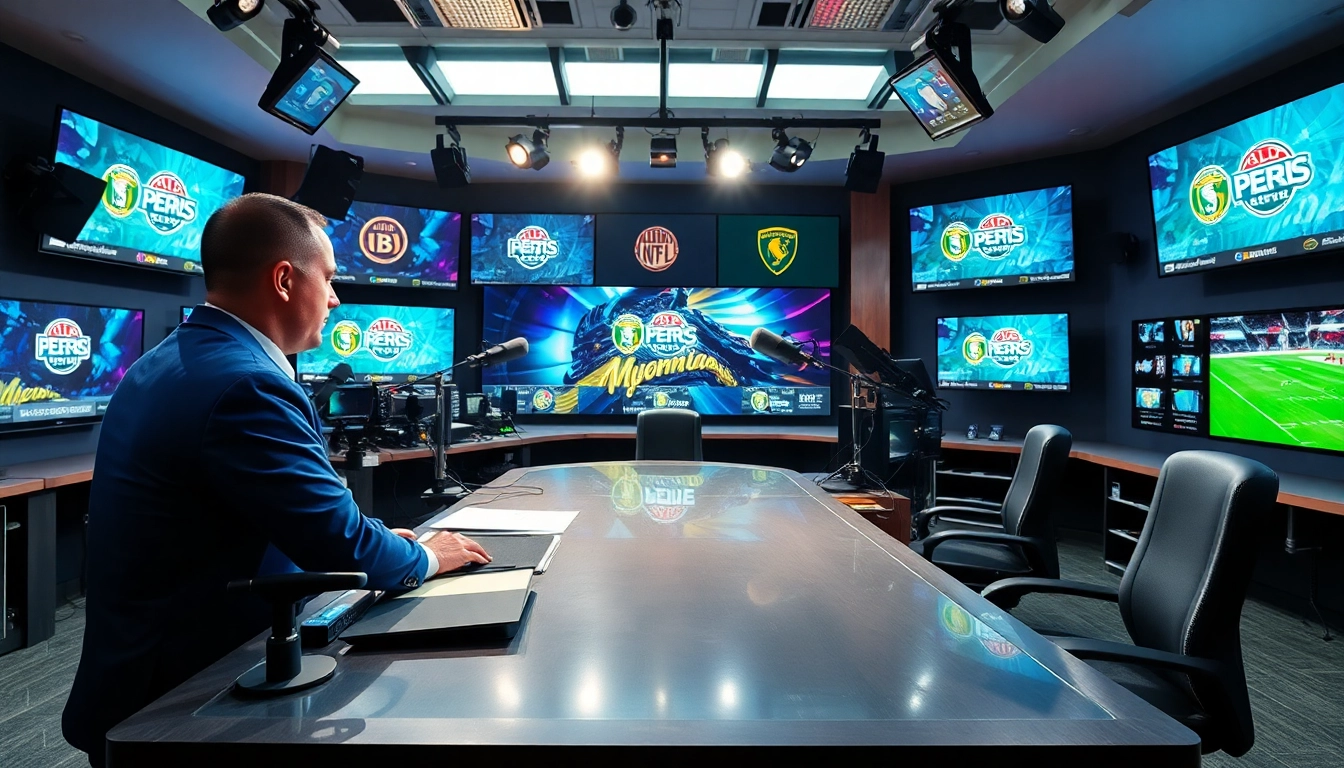
The Fundamentals of Sports Broadcasting
Sports broadcasting is a crucial part of the global entertainment landscape, serving as the bridge between sports events and millions of fans eager to watch and engage with their favorite teams and athletes. It encompasses live television coverage, streaming, and radio broadcasts, making it one of the most dynamic sectors in the industry. This article delves into the essence of Sports broadcasting, from its foundational concepts to future innovations that could redefine how we engage with sports.
What is Sports Broadcasting?
At its core, sports broadcasting involves the live transmission of sports events, commentary, and analysis to the public through television, radio, and internet platforms. This form of broadcasting not only presents the live action of the games but also includes pre-game and post-game discussions, player interviews, and insights from sports analysts. The goal is to provide viewers with a comprehensive experience that enhances their enjoyment and understanding of the sport.
The Evolution of Sports Broadcasting
The roots of sports broadcasting can be traced back to the early 20th century when radio emerged as a popular medium, allowing fans to listen to live game commentary. The introduction of television in the 1950s revolutionized sports broadcasting, transforming how audiences interacted with sports. Over the decades, sports broadcasting has evolved significantly, especially with advancements in technology. Digital platforms have given rise to live streaming and on-demand content, enabling fans to engage with sports in real-time or at their convenience.
Types of Sports Broadcasting Platforms
Sports broadcasting encompasses a variety of platforms, each designed to reach different audiences. Traditional television remains a dominant force; however, the rise of digital platforms has shifted many fans online. Here are some common types:
- Television Networks: Major broadcasters offer comprehensive coverage of various sports, reaching millions of households.
- Radio Broadcasting: Still popular, particularly for local teams, as it provides live commentary and analysis during games.
- Streaming Services: Platforms like Amazon Prime and ESPN+ offer live sports and on-demand content, often with additional features like personalized viewing options.
- Social Media: Channels like Facebook and Twitter broadcast highlights, behind-the-scenes content, and engage fans with real-time updates.
Key Players in Sports Broadcasting
Networks and Channels Overview
Several major networks dominate the sports broadcasting landscape. These networks dedicate substantial resources to cover sports, employing teams of producers, commentators, and analysts. Their platforms offer rich content, including high-quality broadcasts of live games, analysis, and special programs that delve deeper into specific sports or teams. Networks often compete for broadcasting rights to marquee sporting events, aiming to attract a larger viewership.
Role of Sports Commentators
Commentators play a vital role in sports broadcasting. They are responsible for delivering live commentary that not only informs but also entertains viewers. A successful sports commentator must possess a deep knowledge of the sport, excellent communication skills, and the ability to connect with the audience. Their insights provide context to the unfolding events, making the viewing experience more engaging and enjoyable for fans.
Impact of Technology on Broadcasting
Technology continues to transform sports broadcasting in profound ways. Innovations such as high-definition and 4K broadcasting provide fans with crystal-clear images and improved viewing experiences. Virtual reality (VR) and augmented reality (AR) are beginning to make waves, offering immersive experiences where fans can feel as though they are part of the action. Additionally, advanced data analytics are enhancing sports coverage with deeper insights and more nuanced storytelling.
Sports Broadcasting Techniques and Styles
Different Broadcast Formats
Sports broadcasts can take many forms depending on the audience and platform. Here are some common formats:
- Live Game Coverage: The traditional format, offering real-time commentary and analysis as events unfold.
- Pre-Game Shows: These shows typically feature analyst panels who discuss the upcoming game, player performances, and strategies.
- Post-Game Wrap-Ups: Following a game, these segments analyze the outcomes, player performances, and implications of the results.
- Documentaries and Special Features: In-depth looks at key players, historic moments, or behind-the-scenes access to teams and leagues.
Engaging Live Audience Strategies
Engaging viewers during a live broadcast is essential for maintaining interest and following. Broadcasters use strategies such as interactive polls and social media integrations to invite audience participation. Incorporating fan reactions and experiences into the commentary enhances engagement and fosters a community around the event.
Creative Storytelling in Sports Broadcasts
Creative storytelling is vital in sports broadcasting. Successful broadcasts weave narratives that go beyond the games themselves, highlighting athletes’ journeys, team histories, and community impacts. Utilizing emotional storytelling can resonate deeply, making the viewing experience more memorable and meaningful.
Challenges in the Sports Broadcasting Industry
Legal and Regulatory Issues
The sports broadcasting industry must navigate various legal frameworks, particularly those governing broadcasting rights. Rights management is a complex field, with leagues and teams negotiating multi-million-dollar contracts to ensure their games are broadcast. Ensuring compliance with these laws while maximizing viewership is a critical balancing act for broadcasters.
Technical Challenges in Live Broadcasting
Live broadcasting presents unique technical challenges, including the need for reliable equipment and infrastructure. Any malfunction can disrupt the viewing experience, leading to viewer dissatisfaction. Broadcasters must invest in robust technology to handle high-definition broadcasts, secure streaming services, and manage audience interactions seamlessly.
Adapting to Audience Trends
Understanding and adapting to audience trends is crucial in the ever-evolving landscape of sports broadcasting. Viewers increasingly demand flexibility and personalization in their viewing experiences. Broadcasters must continually innovate their offerings, adopting new formats and technologies to stay relevant and meet audience expectations.
The Future of Sports Broadcasting
Innovations in Live Streaming Technology
The future of sports broadcasting will likely be shaped significantly by advancements in live streaming technology. High-capacity bandwidth and improved streaming quality allow for more viewers to connect simultaneously without degrading performance. Innovative features, such as multi-camera views and enhanced statistics display, will redefine how fans consume sports content.
The Rise of Interactive Broadcasting
Interactive broadcasting is on the rise, changing the paradigm of viewer engagement. By incorporating real-time analytics and interactive elements into broadcasts, fans can influence how content is delivered, enhancing their connection to the game. This trend fosters a more engaged fan base, with viewers feeling like part of the action rather than mere observers.
Predictions for Sports Broadcasting Beyond 2025
Looking forward, the landscape of sports broadcasting will be heavily influenced by advancements in artificial intelligence and machine learning, which will personalize content delivery and improve viewer targeting. Furthermore, VR and AR are expected to gain traction, offering fans an unprecedented level of immersion that could transform the very nature of attendance at live events and home viewing.
Frequently Asked Questions
What is sports broadcasting?
Sports broadcasting is the live coverage of sports events through various media, including television, radio, and online platforms, providing commentary, analysis, and coverage of sports activities to audiences.
How has sports broadcasting evolved?
Sports broadcasting has evolved from radio to television, and now to digital streaming. Each advancement has expanded access, allowing fans to engage with content in real-time or on-demand.
What role do commentators play?
Commentators provide play-by-play analysis, helping viewers understand the game’s context and enhancing the overall viewing experience through their insights and storytelling.
What challenges does the industry face?
Challenges include navigating legal broadcasting rights, technical difficulties during live streams, and adapting to rapidly changing audience preferences and technological advancements.
What does the future hold for sports broadcasting?
The future includes innovations in live streaming, increased interactivity for fans, and the integration of VR and AR technologies, enhancing viewer engagement and content personalization.