
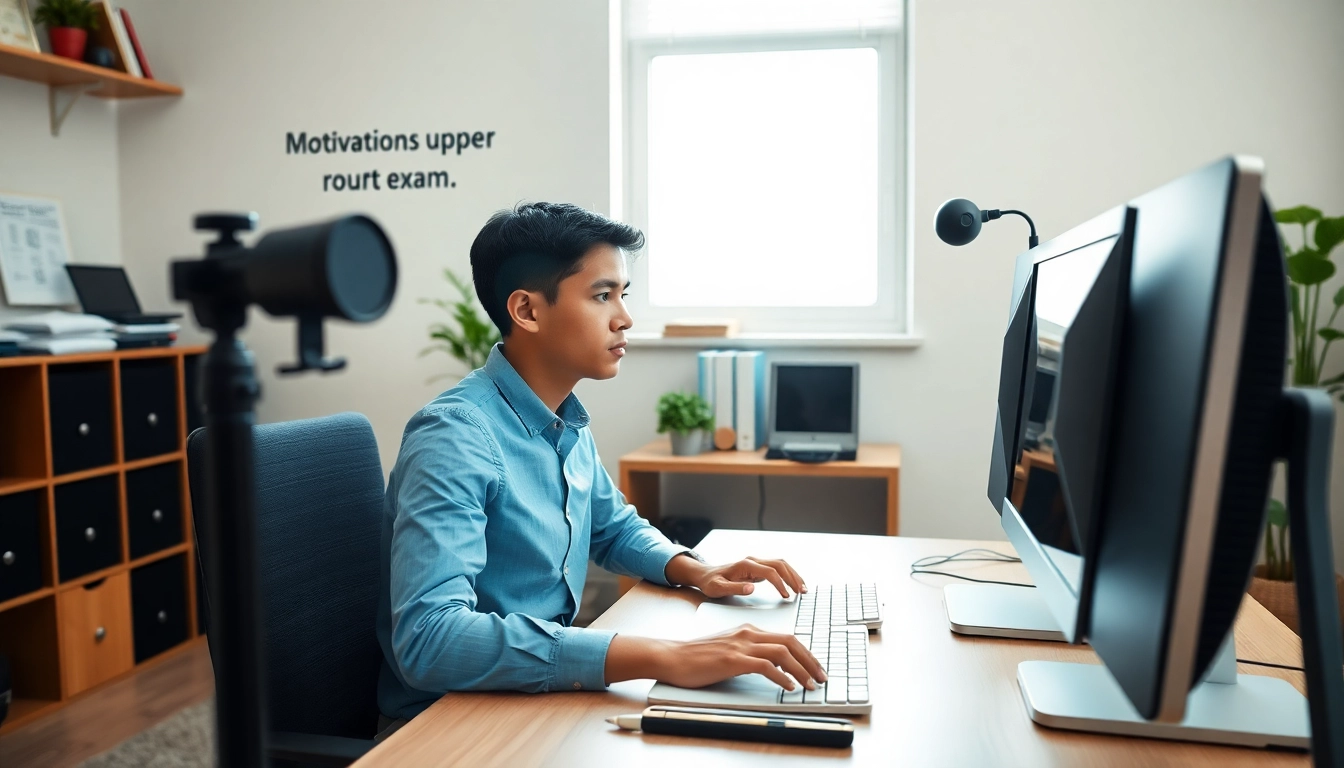
Understanding Proctored Exams
What are Proctored Exams?
Proctored exams are assessments supervised by a proctor, ensuring that the integrity of the exam is maintained. These exams can take place in-person or online and serve a wide range of educational and professional purposes. The primary function of a proctor is to monitor the exam takers and mitigate cheating or any form of academic dishonesty. Ideally, a proctored exam provides a high level of security and fairness in the assessment process.
Importance of Proctored Exam Help
As the adoption of online exams grows, so does the need for proctored exam help. This support can manifest in several ways, from technical assistance to psychological support. Proctored exam help ensures students and candidates can navigate the complexities of remote proctoring technologies and the anxiety associated with high-stakes testing environments. With the right help, candidates are better equipped to optimize their performance and achieve their academic or career goals.
Common Types of Proctored Exams
Proctored exams can be categorized into different types depending on their delivery format and monitoring criteria:
- In-person Proctored Exams: Candidates attend an examination center where a proctor supervises them.
- Remote Proctored Exams: Exams taken online where a proctor monitors the candidate via webcam and screen share.
- Automated Proctored Exams: Software is used to monitor candidates through AI technology, analyzing behaviors and movements.
Preparation for Proctored Exams
Setting Up Your Environment
Creating a conducive environment is crucial when preparing for a proctored exam. A well-organized workspace can significantly impact focus and performance. Here are key steps to keep in mind:
- Choose a quiet location where interruptions are minimal.
- Ensure adequate lighting and a clean working space.
- Pay attention to camera angles; you want the proctor to see your upper body and the work area.
Technical Requirements for Success
Your technology setup is just as important as your physical environment. Make sure you have:
- A reliable computer or laptop with updated software.
- A functioning camera and microphone.
- An internet connection that can support video streaming without interruptions.
Don’t forget to run a technical check to confirm that all equipment works correctly beforehand.
Creating a Study Schedule
Time management is vital when preparing for a proctored exam. Craft a detailed study schedule, breaking down the topics you need to review over the days or weeks leading to your exam. Include breaks to prevent burnout and maintain focus. Aim for:
- Consistent study hours each day.
- Regular review sessions of previous material.
- Mock exams under timed conditions for practice.
Strategies During the Exam
Effective Time Management Techniques
Effective time management during the exam can significantly improve your performance. Begin by familiarizing yourself with the exam format and weightage of different sections. This allows you to allocate your time effectively. Some strategies include:
- Reading through the entire exam before starting.
- Allocating time limits per question or section to keep pace.
- Marking more challenging questions and returning to them later.
Maintaining Focus and Reducing Anxiety
Exam anxiety is common, but you can manage it with effective techniques such as deep-breathing exercises or visualization. Here’s how to stay focused:
- Start with questions you feel confident about to build momentum.
- Practice mindfulness to keep anxiety at bay during the exam.
- Take short breaks if needed to reset your focus.
Understanding Proctoring Tools
Being well-versed in the proctoring tools that will be used during your exam is essential. Familiarize yourself with software features and requirements. Since these tools may monitor screen activity and environment, knowing what to expect can lessen the stress on exam day. Always follow the guidelines provided for using the software seamlessly.
Post-Exam Review
Analyzing Exam Performance
Once the exam is completed, it’s crucial to reflect on your performance. This analysis will guide your future study efforts. Evaluate:
- The questions you found challenging.
- Your time-management effectiveness.
- Overall adherence to exam protocols and guidelines.
Using Feedback for Future Success
Many platforms offer feedback after proctored exams. Use this information proactively to improve. Focus on areas that need enhancement and adjust your study habits accordingly. Seek help in subjects that require extra attention.
Staying Engaged with Academic Resources
Your learning doesn’t stop after the exam. Engage with resources like study groups or tutoring services that can provide fresh perspectives and new insights on challenging subjects. Utilizing platforms that offer relevant content can bolster efficiency in your future studies.
FAQs on Proctored Exams
What should I expect during a proctored exam?
You can expect a live proctor monitoring your exam. Ensure your workspace is clear and you adhere to exam protocols to avoid disruptions.
How do I prepare my technology?
Download required software and test your internet connection, camera, and microphone prior to the exam to avoid last-minute issues.
Can I use notes or textbooks?
Most proctored exams require an empty workspace, prohibiting any access to notes or textbooks during the exam.
What if I experience technical difficulties?
If you encounter technical issues, you should notify your proctor immediately to get assistance and to address any concerns promptly.
How does proctoring ensure exam integrity?
Proctored exams utilize monitoring software and live proctors to ensure rules are followed, preventing cheating and promoting fairness in assessments.