
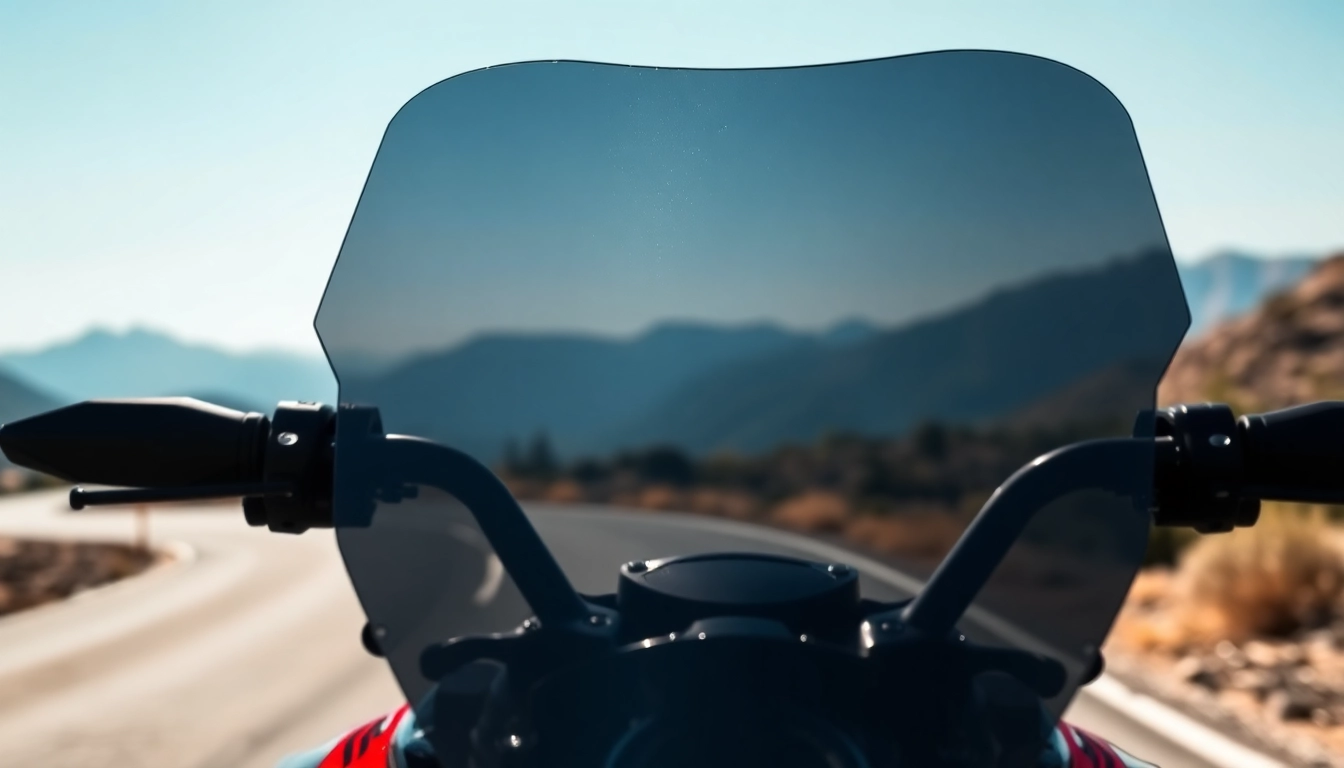
Understanding Motorcycle Windshield Basics
What is a motorcycle windshield?
A motorcycle windshield, often referred to as a windscreen, is an essential accessory for motorcyclists. It is a transparent barrier made of glass or plastic that is mounted at the front of the motorcycle to shield the rider from wind, debris, and other elements encountered during a ride. By providing this protection, a motorcycle windshield not only enhances comfort but also increases safety on the road. When considering the installation of a motorcycle windshield, understanding its construction, functionality, and benefits is crucial.
Types of motorcycle windshields
Motorcycle windshields come in various shapes, sizes, and materials, tailored to different motorcycle types and rider preferences. The most common types include:
- Full Windshields: These offer maximum protection and coverage, typically extending from the handlebars to above the headlight.
- Half Windshields: Shorter than full options, these provide a balance between wind protection and a more open riding experience.
- Low Windshields: Designed for sport bikes, these wrap around the bike’s contour and offer minimal wind resistance.
- Adjustable Windshields: Some models allow for height adjustment, catering to different rider preferences and conditions.
Benefits of using a motorcycle windshield
The benefits of equipping a motorcycle with a windshield are manifold. Key advantages include:
- Wind Protection: A motorcycle windshield significantly reduces wind resistance, which can decrease fatigue and improve comfort during long rides.
- Impact Resistance: Windshields provide a layer of protection against insects, rocks, and debris that can harm the rider or cause accidents.
- Improved Aerodynamics: Properly engineered windshields enhance the aerodynamics of the motorcycle, resulting in improved fuel efficiency and stability at higher speeds.
- Enhanced Visibility: A clear windshield can improve visibility by shielding the eyes from wind and rain, allowing for a safer riding experience.
Factors to Consider When Choosing a Motorcycle Windshield
Material options for motorcycle windshields
Choosing the right material for a motorcycle windshield is crucial for durability and performance. Common materials include:
- Lexan: Known for its impact resistance and clarity, Lexan is a popular choice among riders seeking longevity without compromising visibility.
- Acrylic: While generally lighter and less expensive than Lexan, acrylic windshields can scratch easily and may require more maintenance.
- Polycarbonate: This material is highly durable and offers excellent scratch resistance. It is often used in high-performance models.
Sizing your motorcycle windshield correctly
Proper sizing is crucial for the effectiveness of a motorcycle windshield. A windshield that is too low may not provide adequate wind protection, while one that is excessively tall can obstruct the rider’s view. Here are some tips for sizing:
- Measure the distance from the headlight to the rider’s eyes while seated comfortably on the motorcycle.
- Consider the style and type of the motorcycle; different models may require different heights and widths.
- Account for the riding position. Touring bikes often benefit from taller, full windshields, while sport bikes might require lower options.
Aerodynamics and riding style impact
A motorcycle windshield’s design and fit can have a significant impact on aerodynamics. Riders who frequently travel at high speeds will benefit from streamlined shields that minimize drag. Additionally, the riding style—whether casual, sport, or touring—will dictate the required windshield type:
- Cruisers: Prefer larger and full windshields for comfort on open roads.
- Sportbikes: Benefit from lower, compact windshields that maintain aerodynamic efficiency.
- Touring Bikes: Often equipped with adjustable windshields to cater to varying conditions.
Installation and Maintenance of Your Motorcycle Windshield
Step-by-step installation guide
Installing a motorcycle windshield involves several steps, which if followed carefully, can ensure a secure fit:
- Gather your tools, including a screwdriver, wrench, and, if necessary, an assistive device for holding the shield in place.
- Remove any existing windscreen carefully. Take note of any hardware or fittings that can be reused.
- Position the new windshield on the mounts, ensuring it aligns with existing holes.
- Use bolts or screws to secure the windshield. Tighten them evenly to avoid warping.
- Check for stability and clear visibility before taking the motorcycle for a test ride.
Cleaning and maintaining your motorcycle windshield
To extend the life of your motorcycle windshield, regular maintenance is essential:
- Use a microfiber cloth with soap and water to clean the surface. Avoid using ammonia-based cleaners, as they can lead to discoloration and scratches.
- Inspect the windshield for cracks or scratches regularly. Early detection can prevent further damage.
- Apply a UV protectant to reduce the effects of sun exposure, preserving clarity over time.
Common installation mistakes to avoid
Even with careful attention, mistakes during installation can happen. Here are some common pitfalls to watch out for:
- Improper alignment can lead to wind noise and reduced visibility.
- Over-tightening screws can cause windshield cracking due to pressure.
- Neglecting the proper fit can affect stability, especially at high speeds—ensure all fittings are secure before riding.
Performance Enhancements with a Motorcycle Windshield
Improving comfort during rides
One of the best benefits is increased comfort on long rides. With a properly fitted motorcycle windshield, riders experience less wind fatigue, allowing for longer journeys without discomfort. This is particularly beneficial for touring riders who spend hours on their motorcycles. Additionally, a good windshield can reduce the amount of turbulence that a rider experiences, which enhances overall comfort.
Reducing wind noise effectively
Wind noise can be a significant distraction while riding. A well-designed motorcycle windshield minimizes this problem by directing airflow over and around the rider. Choosing the right height and angle can drastically reduce wind noise, making conversations and listening to music more enjoyable during rides. Moreover, quieter rides contribute to less fatigue, which enhances overall safety.
Enhancing aerodynamics for better performance
Windshields play a vital role in enhancing the aerodynamics of a motorcycle. A streamlined shape allows wind to flow over the bike more efficiently, which can improve fuel economy and stability, especially when traveling at higher speeds. Riders interested in performance should consider investing in a windshield that complements their bike’s design—this can lead to noteworthy improvements in both speed and handling.
Trending Designs and Innovations in Motorcycle Windshields
Latest materials and technologies
Recent advancements in materials and technologies have transformed motorcycle windshields. Innovative coatings that enhance scratch resistance and durability are now standard, ensuring that riders have clear visibility for longer periods. Moreover, manufacturers are experimenting with shape and design to create more aerodynamic profiles, maximizing efficiency without compromising style.
Customization options for motorcycle windshields
Customization has become a significant trend among motorcycle enthusiasts. Riders can choose various tint levels, colors, and shapes to personalize their bikes while ensuring that they meet their aerodynamic and comfort needs. This level of customization allows for a unique aesthetic while optimizing the performance of the windshield.
Reviews and user experiences on new models
User reviews are an invaluable resource for understanding the real-world performance of motorcycle windshields. Riders often share insights on comfort, stability, and ease of installation, providing prospective buyers with practical knowledge. Feedback on durability can also guide choices, especially when considering long-term investments. Engaging with community forums can give additional perspectives on the benefits and shortcomings of various models.