Understanding the Paver Block Making Machine
What is a Paver Block Making Machine?
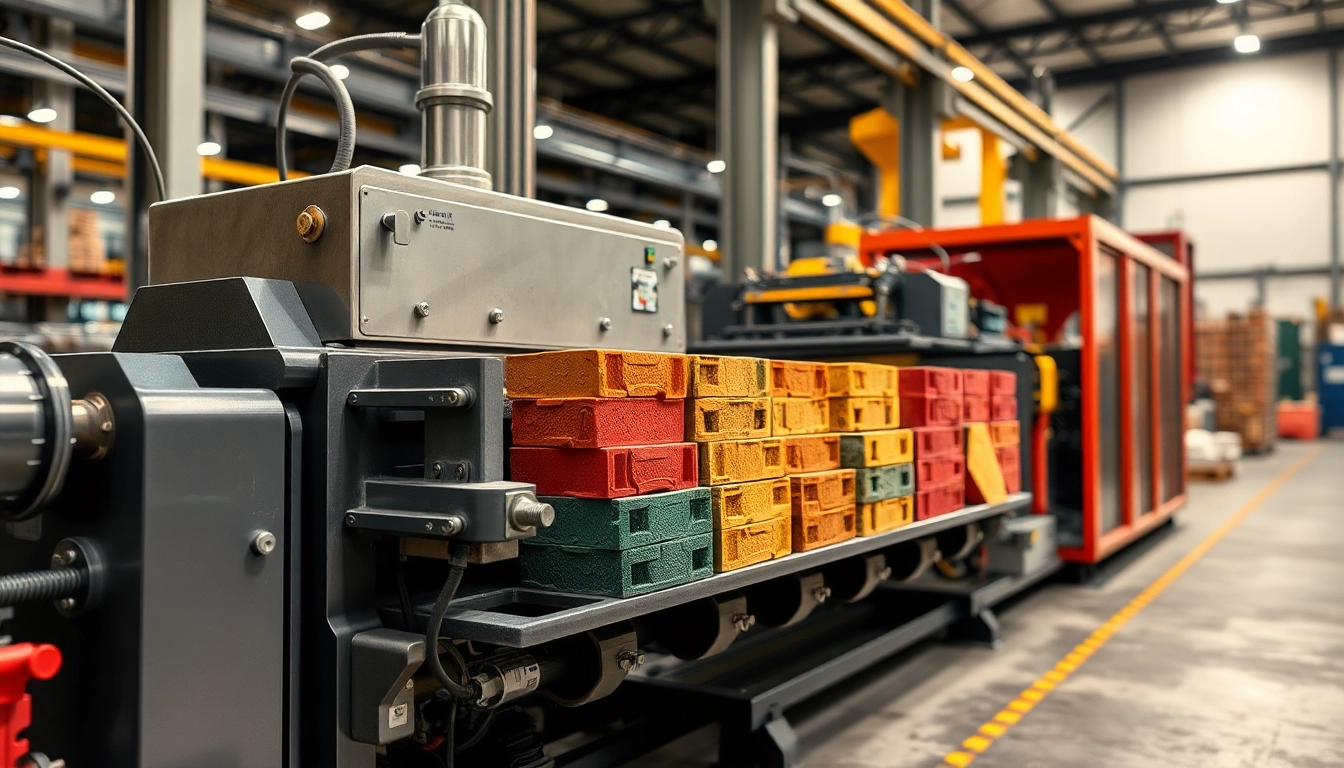
A Paver Block Making Machine is an essential piece of industrial machinery used in the production of concrete pavers. This equipment is designed to create concrete pavers with precision and consistency, allowing for a high-volume output that meets construction and landscaping needs. Its functionality simplifies the manufacturing process, making it a crucial asset for businesses involved in construction, urban development, and landscape architecture. By producing varying designs and sizes of pavers, this machinery caters to diverse application needs, from walkways to road pavements.
Components of a Paver Block Making Machine
A Paver Block Making Machine consists of several critical components that work in unison to produce the desired precast concrete products. Key components include:
- Mixing Unit: Responsible for blending aggregates, cement, and water to achieve a homogeneous mixture.
- Molding System: This includes molds that determine the size and pattern of the pavers. These molds can be interchangeable to produce different designs.
- Hydraulic System: Utilizes hydraulic pressure to compress the concrete mixture into the molds, ensuring the production of dense and sturdy pavers.
- Control Panel: Enables the operator to set parameters, control the machine, and monitor the production process.
- Vibrating Table: Provides vibration to settle the concrete mixture uniformly and remove air bubbles, enhancing the final product’s quality.
How Does a Paver Block Making Machine Work?
The operation of a Paver Block Making Machine is a systematic process that includes several phases:
- Preparation of the Mixture: Raw materials such as cement, aggregates, and additives are proportionately weighed and mixed to achieve the desired concrete mix.
- Mold Filling: The prepared concrete mix is poured into the molds, after which the machine applies vibration to compact the mixture evenly and eliminate air pockets.
- Hydraulic Pressing: Once the molds are filled, the hydraulic system compresses the mixture under high pressure, forming the paver blocks.
- Curing: After demolding, the paver blocks are cured either in a moist environment or by using curing compounds to ensure proper hydration and strength development.
- Quality Inspection: The finished pavers undergo quality control checks to ensure they meet specified standards before being packaged for delivery.
Benefits of Using a Paver Block Making Machine
Increased Production Efficiency
Utilizing a Paver Block Making Machine enhances production efficiency significantly. Traditional methods of paver production often involve labor-intensive processes and longer lead times. In contrast, with a Paver Block Making Machine, businesses can produce large quantities of pavers in a shorter time frame. Automation features allow for consistent production rates and minimal downtime between cycles, thereby optimizing workflows and maximizing output.
Cost-Effectiveness and Economic Impact
The initial investment in a Paver Block Making Machine can be substantial; however, the long-term economic benefits often outweigh these costs. By automating the production process, companies can reduce labor costs, increase throughput, and lower material wastage through precise mixing and compaction. Additionally, the durability and attractiveness of the pavers produced can lead to increased sales and market competitiveness, positively impacting overall profitability.
Quality Control and Product Consistency
One of the primary benefits of using a Paver Block Making Machine is the ability to achieve consistent product quality. Automated processes ensure that each paver is produced under the same conditions, resulting in uniform size, shape, and strength. This consistency reduces the risk of defects, leading to higher customer satisfaction and fewer returns or complaints. Furthermore, advanced quality control mechanisms built into the machines allow for real-time monitoring, enabling quick adjustments to maintain quality standards.
Choosing the Right Paver Block Making Machine
Types of Paver Block Making Machines
When selecting a Paver Block Making Machine, it’s essential to understand the different types available:
- Automatic Machines: These high-efficiency machines minimize human intervention, handling everything from mixing to curing automatically.
- Semi-Automatic Machines: These require some level of manual operation but still automate key production processes, ideal for smaller operations.
- Manual Machines: These are labor-intensive but may be suitable for small businesses with limited production needs.
- Mobile Machines: Designed for field operations, these machines can be easily transported to various locations, facilitating on-site production.
Key Features to Look For
When choosing a Paver Block Making Machine, consider the following features:
- Production Capacity: The machine’s output capacity should align with your business requirements.
- Material Compatibility: Ensure that the machine can accommodate the types of materials you plan to use for producing pavers.
- Energy Efficiency: Look for machines designed to minimize energy consumption without compromising productivity.
- Ease of Maintenance: Machines with accessible components and simpler maintenance protocols are advantageous in the long run.
- Support and Warranty: Reliable technical support and warranty services are crucial for minimizing operational disruptions.
Budget Considerations
Budgeting for a Paver Block Making Machine goes beyond the initial purchase price; it’s essential to consider ongoing operating costs, maintenance expenses, and the potential return on investment. Research the total cost of ownership, which includes installation, training, and spare parts, to ensure that you’re selecting a machine that fits your financial capabilities and business growth objectives. Evaluating financing options may also provide flexibility in acquiring high-quality equipment.
Operating a Paver Block Making Machine Safely
Safety Measures and Best Practices
Safety is paramount when operating a Paver Block Making Machine. Implement the following practices:
- Wear Protective Equipment: Operators should wear helmets, gloves, and safety glasses to minimize risks associated with machinery operation.
- Regular Safety Training: Conduct regular safety training sessions to keep all personnel informed about operational hazards and emergency procedures.
- Emergency Stop Features: Ensure that machines are equipped with easily accessible emergency stop buttons to prevent accidents.
- Keep Work Areas Organized: Maintain a clean and organized workspace to reduce trip hazards and facilitate safe operational practices.
Training Operators Effectively
Effective training of machine operators is vital for maximizing performance and safety. Implement comprehensive training programs that cover machine operation, safety procedures, troubleshooting techniques, and emergency protocols. Utilize hands-on training with experienced supervisors and provide access to instructional manuals and video resources. Continuous learning opportunities, such as refresher courses, can enhance operators’ skills over time.
Regular Maintenance Tips
To ensure optimal performance and longevity of a Paver Block Making Machine, adhere to a regular maintenance schedule. Key maintenance tips include:
- Daily Checks: Inspect hydraulic systems, check for leaks, and ensure that all components are functioning correctly before operation.
- Lubrication: Regularly lubricate moving parts to prevent wear and tear and ensure smooth operation.
- Calibration: Periodically calibrate the machine to maintain accuracy in measurements and production performance.
- Scheduled Downtime: Implement scheduled downtime for thorough inspections and servicing to prolong machine life.
Future Trends in Paver Block Making Technology
Automation and Smart Features in Machines
The future of Paver Block Making Machines is increasingly leaning towards advanced automation and integration of smart technologies. Modern machines are becoming equipped with IoT capabilities, allowing for remote monitoring and control via smart devices. This evolution enables predictive maintenance, automatic reporting of production statistics, and easier troubleshooting, ultimately leading to improved operational efficiency and reduced downtime.
Environmental Considerations
As sustainability becomes a key focus in manufacturing, the Paver Block Making industry is adopting eco-friendly practices. This includes using recycled materials in concrete mixes, optimizing energy consumption, and implementing waste management systems. Furthermore, companies are exploring methods to produce pavers with lower carbon footprints, aligning their operations with global sustainability goals and responding to consumer demand for greener products.
Innovative Materials for Paver Production
Research and development in materials science are driving innovation in the types of materials used for paver production. Advances include the use of alternative aggregates, such as recycled plastics and industrial by-products, which enhance the durability and aesthetic appeal of the final product. Alongside this, new additives are being formulated to improve the performance characteristics of concrete, ensuring it meets or exceeds industry standards.
Frequently Asked Questions
What is a paver block making machine?
A paver block making machine is an industrial machine designed to produce concrete pavers, offering efficiency and consistent quality in block production.
How do I choose the right paver block making machine?
Consider the types of pavers you wish to produce, production capacity, and machine features like automation to select the best fit for your needs.
What maintenance does a paver block making machine require?
Regular cleaning, lubrication of moving parts, and checking electrical systems are essential to maintain the paver block making machine’s performance.
Can I operate a paver block making machine alone?
While it’s possible, it is recommended to have trained personnel to ensure safety and efficiency during operations.
How can I improve the quality of paver blocks produced?
Utilizing high-quality materials, regular machine maintenance, and adhering to proper mixing ratios can significantly enhance block quality.