Understanding the Role of a Commercial Building Developer
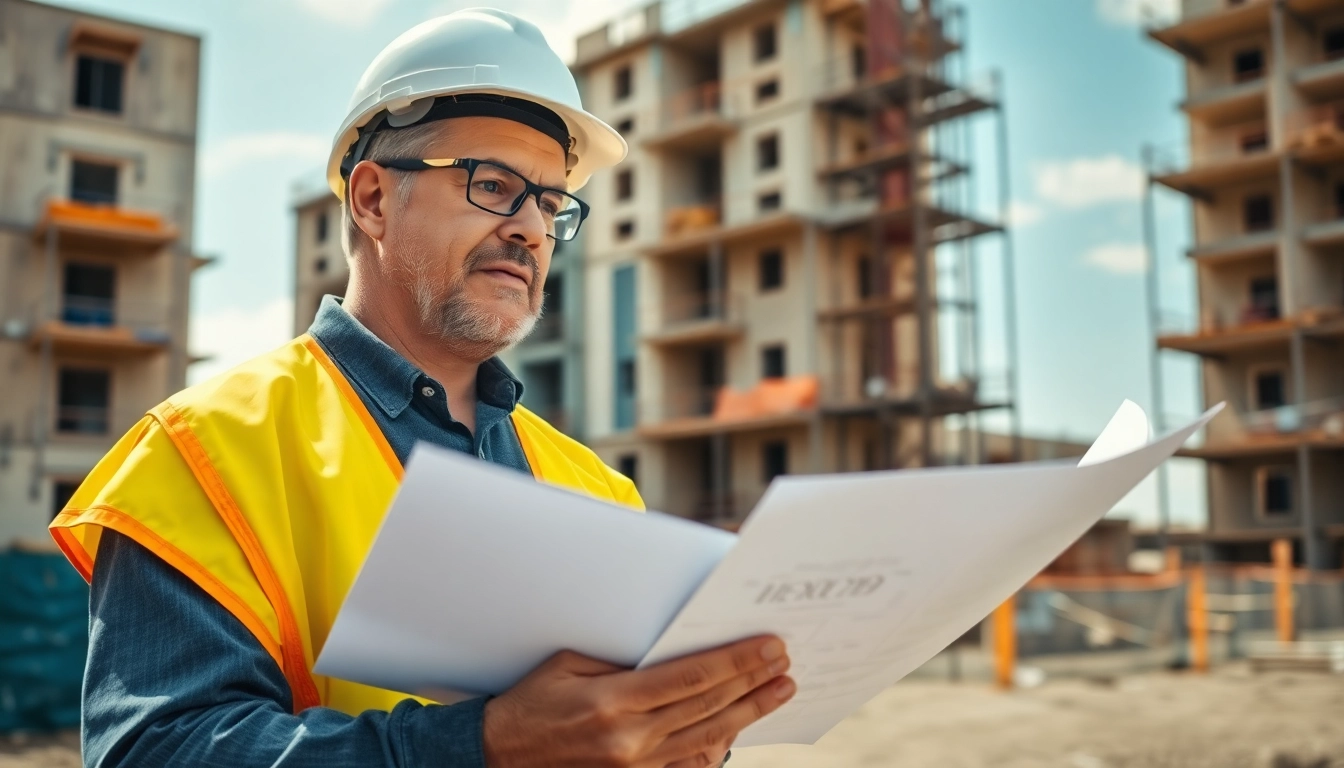
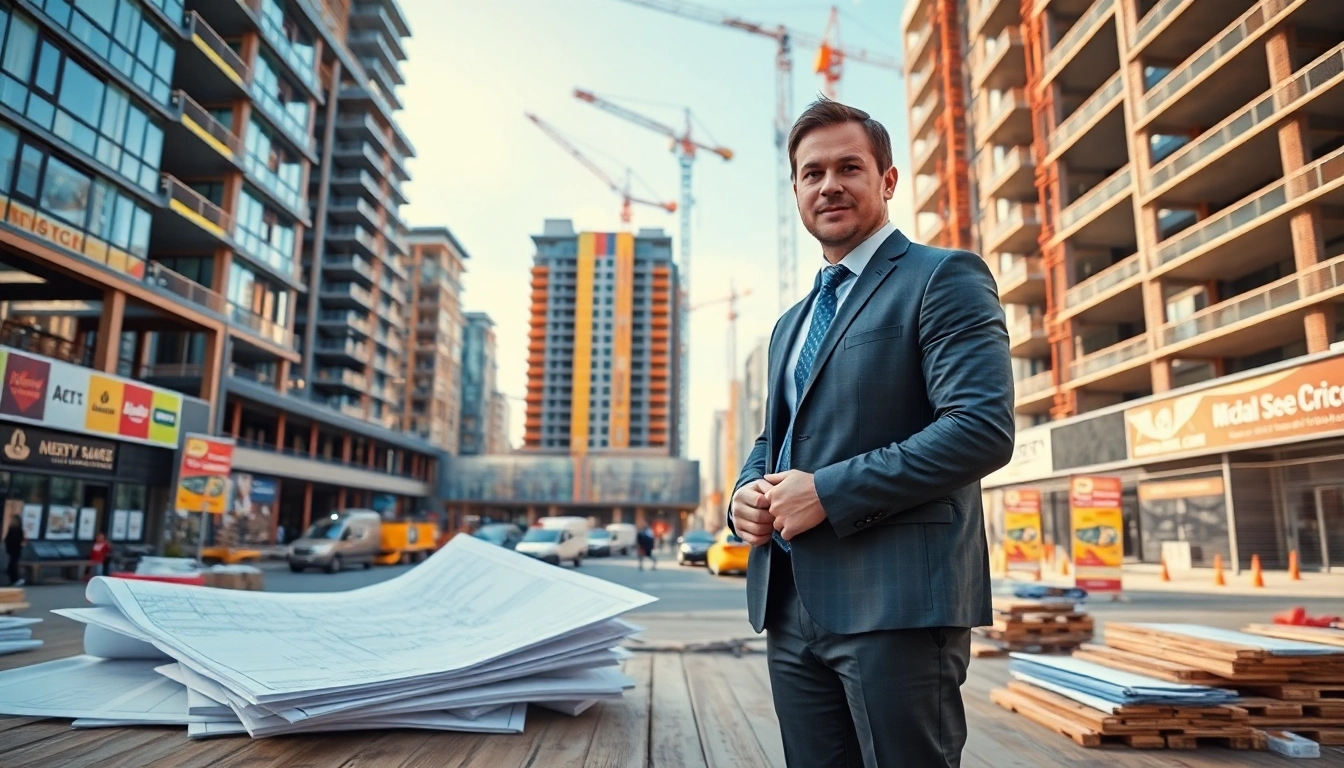
The role of a commercial building developer is multifaceted, involving various stages of planning, financing, and executing commercial real estate projects. This professional is integral to transforming visions into tangible, functional spaces that serve businesses and communities. Developers work on a range of projects, from office buildings and retail spaces to large mixed-use developments, ensuring each aligns with market demands and regulatory frameworks.
What Does a Commercial Building Developer Do?
A commercial building developer typically oversees the entire lifecycle of a real estate project. This includes:
- Site Selection: Identifying viable locations based on market analysis, accessibility, and zoning laws.
- Financial Planning: Securing funding through loans, investors, or partnerships to ensure the project is financially viable.
- Design and Planning: Working closely with architects and engineers to create detailed blueprints that meet the project’s objectives.
- Project Management: Coordinating with contractors, engineers, and subcontractors to keep the project on time and within budget.
- Marketing and Leasing: Once completed, developers often engage in marketing the property to prospective tenants or buyers.
Key Skills for a Successful Commercial Building Developer
To excel in the competitive landscape of commercial real estate, developers need a blend of skills including:
- Analytical Skills: The ability to assess market trends, understand financial metrics, and make data-driven decisions.
- Negotiation Skills: Developers must negotiate contracts with various stakeholders, including contractors, suppliers, and tenants.
- Project Management: Effective management ensures timelines and budgets are adhered to, requiring strong organizational capabilities.
- Regulatory Knowledge: Familiarity with local zoning laws, environmental regulations, and building codes is essential.
- Communication Skills: Clear communication with diverse teams and stakeholders is crucial for collaboration and success.
Importance of Project Management in Development
Effective project management in commercial building development is critical to achieving project goals. It involves:
- Establishing timelines and workflows to ensure each phase of construction progresses smoothly.
- Monitoring project costs to prevent overruns and ensure financial stability.
- Addressing issues as they arise to keep projects on track and stakeholders informed.
Steps to Become a Commercial Building Developer
Educational and Professional Requirements
Generally, a bachelor’s degree in fields such as real estate, construction management, business administration, or finance is recommended. Higher education, such as a master’s degree or specialized certifications, can provide a competitive edge.
Gaining Relevant Experience
Experience in the industry is invaluable, and roles such as project manager, real estate analyst, or construction supervisor can provide essential insights into the development process. Internships and support roles also pave the way for career advancement.
Building a Professional Network in Real Estate
Networking is critical in real estate. Engaging with industry associations, attending conferences, and forming relationships with other professionals can open doors to partnerships and business opportunities. Cultivating a broad network of contacts, including agents, lenders, and contractors, can streamline your journey as a developer.
Key Challenges Faced by Commercial Building Developers
Navigating Regulatory Requirements
One of the primary challenges in commercial building development is dealing with complex regulations that can vary significantly across jurisdictions. Understanding local zoning laws, environmental regulations, and building codes is paramount to avoid costly delays or legal issues. Engaging with legal experts and regulators early in the process can mitigate these challenges.
Dealing with Market Fluctuations
Market conditions can change rapidly, and developers must adapt to fluctuating demand and pricing dynamics. Conducting thorough market research and maintaining flexible strategies are vital to navigating economic uncertainties. Developers should also keep an eye on trends, consumer behavior, and emerging markets to identify opportunities.
Sustainable Development Practices
As environmental concerns grow, commercial building developers face pressure to incorporate sustainable practices. This includes utilizing eco-friendly materials, energy-efficient designs, and sustainable land-use planning. While initial costs may be higher, sustainable practices can lead to long-term cost savings and a stronger market position.
Best Practices for Successful Commercial Building Development
Effective Site Selection and Planning
The foundation for every successful development lies in effective site selection. Developers should conduct comprehensive feasibility studies, including demographic analysis, traffic patterns, and proximity to necessary infrastructure. Utilizing Geographic Information Systems (GIS) can enhance site analysis and planning.
Leveraging Technology in Development
Advancements in technology can greatly enhance the efficiency and efficacy of development projects. Building Information Modeling (BIM) allows for creating detailed 3D models, facilitating better collaboration among teams. Drones and project management software can streamline site monitoring and communication, ensuring projects stay on track.
Engaging with the Community
Successfully integrating a development into its community requires engagement and transparency. Conducting community outreach initiatives and public forums can provide feedback and address community concerns. Building positive relationships with local stakeholders can increase support and reduce resistance during the development process.
Future Trends for Commercial Building Developers
Impact of Technology on Building Design
Technology continues to revolutionize building design and construction methodologies. Smart buildings equipped with IoT-enabled devices improve energy efficiency and enhance occupant experience. Developers who embrace these technological trends can offer innovative solutions that meet evolving market demands.
Shifts in Market Demand for Commercial Spaces
As work environments evolve, the demand for different types of commercial spaces changes. Hybrid work models are becoming more prevalent, prompting a need for flexible workspace designs. Developers must stay attuned to these shifts to provide properties that attract tenants and maintain occupancy rates.
Importance of Flexible Spaces in Urban Environments
Urban development is increasingly focusing on flexibility, with mixed-use spaces gaining popularity. Developers should prioritize creating adaptable spaces that can serve various purposes over their lifespan. This adaptability not only maximizes investment returns but also responds to changing community needs.
Frequently Asked Questions
1. What is a commercial building developer?
A commercial building developer is a professional responsible for overseeing the development of commercial properties, ensuring projects are completed on time and within budget.
2. What skills are important for commercial developers?
Essential skills include financial analysis, project management, negotiation abilities, regulatory knowledge, and strong communication skills.
3. How do I start a career as a commercial building developer?
Begin by obtaining a relevant degree, gaining experience in real estate or construction, and building a professional network in the industry.
4. What challenges do commercial developers face?
Challenges include navigating complex regulations, responding to market fluctuations, and implementing sustainable building practices.
5. What are the future trends for commercial development?
Future trends include increased use of technology for smart buildings, flexible workspace designs, and a focus on sustainable and adaptable spaces.