
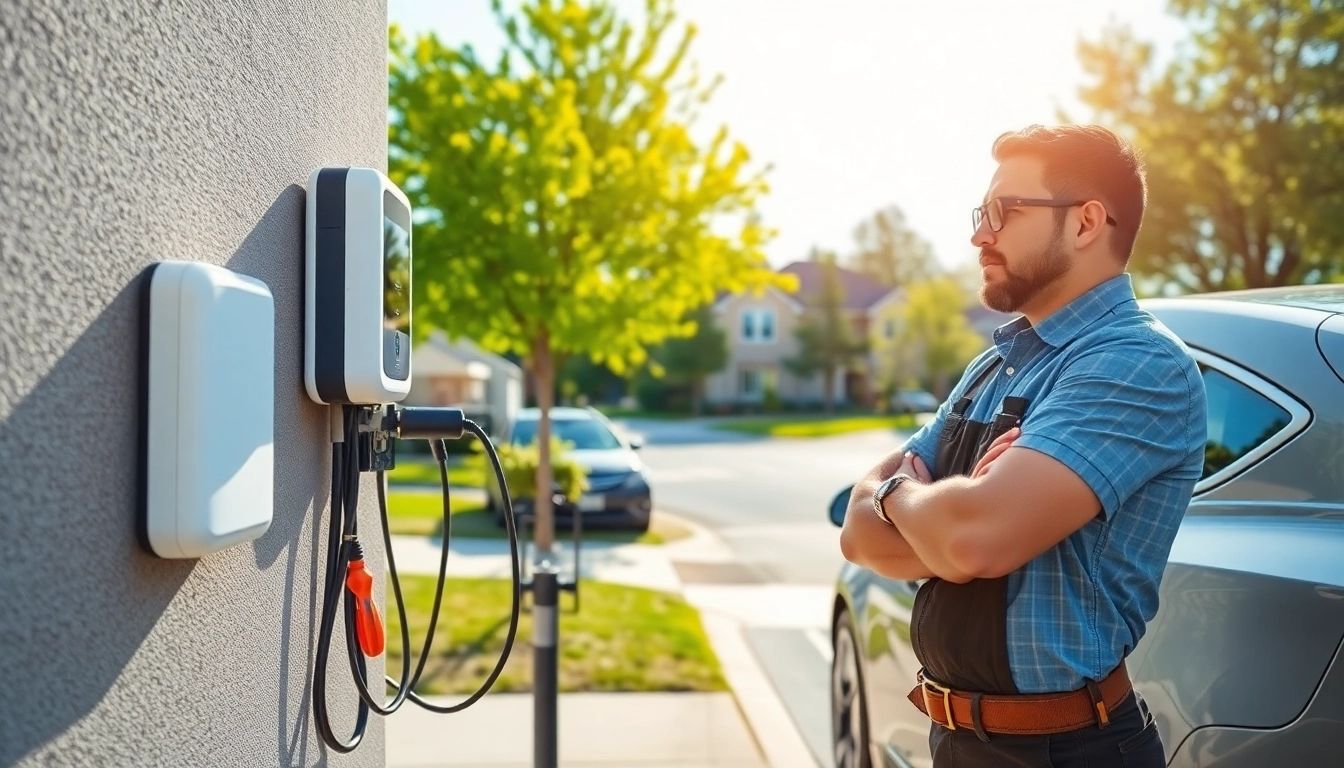
Understanding Home EV Charging Systems
Basics of EV Charging Technology
Electric vehicles (EVs) are revolutionizing the transportation sector by offering a cleaner and more sustainable alternative to traditional gasoline-powered cars. At the heart of this green revolution are home EV charging systems, which allow owners to recharge their vehicles conveniently and efficiently. EV charging technology primarily revolves around electric power supply and conversion. The energy stored in an EV’s battery comes from a charging station, which transforms grid electricity into a usable form for the vehicle.
Charging systems are classified based on their speed and compatibility with different models of electric vehicles. Primarily, there are three levels of charging: Level 1, Level 2, and DC Fast Charging. Understanding these levels helps homeowners optimize their charging based on individual needs and circumstances.
Importance of Home Chargers
Having a home EV charger is not just a convenience but an essential aspect of EV ownership. With a dedicated charging point at home, vehicle owners can ensure their EV is charged overnight, ready for use the next day without relying on public charging stations. This setup not only enhances convenience but also represents a significant cost-saving compared to trying to find and utilize public charging infrastructure.
Home charging improves accessibility for EV owners and contributes to energy efficiency. It allows more individuals to adopt electric vehicles sustainably since they can charge their cars with renewable energy sources, significantly lowering their carbon footprint.
Different Types of EV Chargers
Understanding the different types of EV chargers is fundamental for every homeowner considering an electric vehicle. The three main types are:
- Level 1 Chargers: These chargers use a standard 120V outlet, providing a relatively slow charge, typically adding about 4-5 miles of driving range per hour. They are ideal for plug-in hybrids or for users who drive short distances.
- Level 2 Chargers: Operating on 240V, Level 2 chargers significantly reduce charging time, adding around 25-30 miles of range per hour. These chargers are more suitable for full electric vehicles and are the most commonly installed home EV chargers.
- DC Fast Chargers: These are commercial-grade chargers that deliver direct current, offering rapid charging capabilities, often adding up to 80% charge in as little as 30 minutes. While they are not typically suited for home use due to cost and electrical requirements, understanding them is beneficial for EV owners looking to recharge quickly on the go.
Choosing the Right EV Charger for Your Home
Evaluating Charging Needs
When selecting an EV charger, start by evaluating your driving habits and needs. The distance you regularly travel, the vehicle’s battery capacity, and your lifestyle will influence the right choice for you. For example, users who commute long distances daily may benefit from a Level 2 charger, while those who use their EV occasionally may find Level 1 sufficient.
Consider how often your vehicle will need charging and your access to public charging stations. Knowing your regular routes and charging habits can significantly impact the effectiveness of your home charging infrastructure.
Cost Factors and Budgeting
Investing in a home EV charger requires budgeting for several factors, including the cost of the charger itself, installation, and potential electrical upgrades. Level 1 chargers are the least expensive, while Level 2 chargers and their installation costs can vary widely based on the complexity of the installation.
Additionally, consider the long-term savings on fuel and maintenance costs associated with electric vehicles. Many homeowners find that the upfront investment pays off significantly through lower operating expenses over time.
Top Features to Look for
When selecting an EV charger, look for features that improve usability and efficiency:
- Smart Technology: Chargers with Wi-Fi connectivity allow for remote monitoring and scheduling, optimizing charging times based on electricity rates.
- Portability: Lightweight chargers can be taken on trips or used in multiple locations, providing flexibility for EV owners.
- Safety Features: Overcurrent and surge protection reduce the risk of electrical issues during charging.
- Compatibility: Ensure the charger is compatible with your EV’s make and model for seamless operation.
Installation Procedures for EV Chargers
Preparing Your Home for Installation
Before installation, assess your home’s electrical infrastructure. A licensed electrician should evaluate your home to determine if it can handle the added load from an EV charger. If necessary, circuit upgrades may be required, especially if you are considering a Level 2 charger.
Furthermore, identifying a suitable location for the charger is crucial. Ideally, this should be close to where you park and have a power source nearby, minimizing the cost of installation wiring.
Hiring Professional Installers
While DIY installations may seem feasible, hiring a professional ensures not only compliance with local electrical codes but also guarantees the installation is safe and reliable. Professional installers understand the intricacies involved and can often provide warranties on their work, which adds an extra layer of security for homeowner investments.
When looking for a qualified installer, ask about their expertise in installing EV chargers specifically. Assess customer reviews and request a detailed estimate of costs and timelines for the installation.
DIY vs. Professional Installation
For the handy homeowner, a DIY installation may seem like a tempting option to save on labor costs. However, this route can be fraught with potential issues. First, ensuring adherence to all local regulations and standards is paramount. Furthermore, a poorly executed installation could lead to electrical hazards or damage to the vehicle.
While professional installations carry upfront costs, they often come with guarantees and expert insight that ensure safety and functionality. Evaluate both options critically and consider the long-term implications of either decision.
Maintenance Tips for Your EV Charger
Regular Inspections and Cleaning
To ensure your EV charger operates properly, regular inspections are vital. Check for wear and tear on cables and connectors, and keep the charging unit clean from dirt or debris that can hinder performance. An annual inspection by a professional is recommended to ensure safety and efficiency.
A clean charger is not only more efficient but also extends the life of the unit. Simple maintenance tasks like wiping down with a damp cloth will keep it in top condition.
Troubleshooting Common Issues
If your EV charger is malfunctioning, common issues include failure to connect to the vehicle or slow charging speeds. First, check the connection to both the power supply and the vehicle. Ensure the charger is functioning correctly by testing it with another EV if available.
If these checks don’t resolve the issue, consult the user manual or contact a professional. Avoid attempting to fix complex issues yourself, as this can lead to further complications.
Upgrading Your Charging System
As technology evolves and your needs change, you may consider upgrading your charging system. Newer models offer enhanced features like faster charging speeds and smarter connectivity options that improve usability and efficiency.
Assess your needs periodically; if your vehicle usage increases or technology advances, investing in a new system can enhance your EV ownership experience significantly.
Benefits of Choosing McNally EV for Installation
Expertise and Experience in the Field
Choosing a reputable service provider for EV charger installation is crucial, and McNally EV stands out with its substantial expertise and experience. With a track record of successful installations, they bring a wealth of knowledge about the latest technologies and compliance standards to ensure your charging system is optimally installed.
Customer Testimonials and Satisfaction
Customer feedback is a vital component of any service-based business. McNally EV prides itself on delivering high levels of satisfaction, with numerous testimonials reflecting their commitment to quality and customer service. Satisfied customers often report ease of use and efficiency in the charging systems that they provide, reinforcing the value of choosing a trusted provider.
Supporting Sustainable Energy Practices
By selecting McNally EV for your home charger installation, you are not just investing in your convenience but also supporting sustainable energy practices. They emphasize the use of renewable energy sources and promote green technologies, which contribute positively to the environment. As more homeowners transition to using electric vehicles, the overall impact on energy consumption and carbon emissions will be significantly reduced.
FAQs About Home EV Charger Installation
What are the benefits of installing a home EV charger?
Having a home EV charger allows you to charge your vehicle conveniently at home, provides cost savings on electricity, and reduces reliance on public charging stations.
How long does it take to install a home EV charger?
Installation usually takes a few hours, depending on the complexity of your home’s electrical system and the type of charger being installed.
Is professional installation necessary for an EV charger?
While DIY installation may seem appealing, professional installation is recommended to ensure safety, compliance with local codes, and optimal performance.
Can I use my existing home electrical outlets for charging?
Yes, but standard outlets (Level 1 charging) may be too slow for daily use. For faster charging, consider a dedicated Level 2 charger installed.
What maintenance does an EV charger require?
Regular inspections for wear and tear, keeping the unit clean, and troubleshooting minor issues are vital for maintaining your charger effectively.