
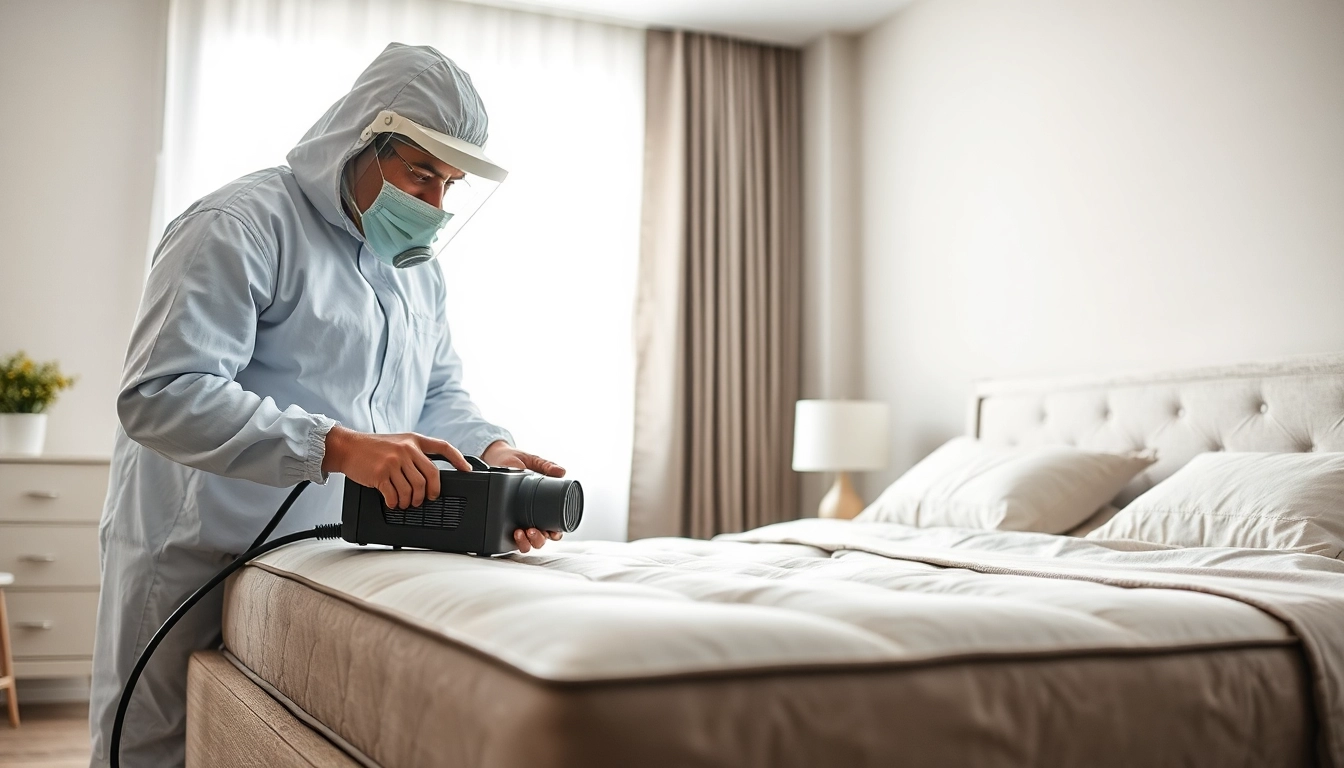
Understanding Bed Bugs: Identifying the Problem
What Are Bed Bugs?
Bed bugs are small, parasitic insects belonging to the Cimex lectularius species. They are notorious for feeding on human blood, usually during the night. These pests are typically reddish-brown, flat, and oval-shaped, making them difficult to spot without a close inspection. Adult bed bugs can measure between 4 to 5 mm in length, while nymphs and eggs are significantly smaller. Bed bugs are resilient, capable of surviving for several months without feeding, which contributes to their ability to infest homes and properties quickly.
Signs of Infestation
Recognizing the signs of a bed bug infestation is crucial for timely elimination. Look for the following:
- Dark Spotting: Small dark spots (bed bug feces) on bedding or walls.
- Blood Stains: Tiny red stains on sheets or mattresses from crushed bugs after feeding.
- Live Bugs and Shedding: Adult bugs, nymphs, and shed skins hidden in crevices.
- Itching or Bites: Unexplained bite marks on your skin, often clustered in a row.
Health Risks Associated with Bed Bugs
While bed bugs are not known to transmit diseases, their bites can cause a range of health concerns. Symptoms may include:
- Itching and Discomfort: Bites can result in intense itching and irritation.
- Allergic Reactions: Some individuals may experience severe allergic reactions to bites.
- Secondary Infections: Scratching bites can lead to bacterial infections.
Additionally, the psychological impact of a bed bug infestation can lead to anxiety and insomnia, highlighting the importance of swift action in managing these pests.
Choosing the Right Bed Bug Exterminator
Qualities of a Professional Exterminator
Selecting a competent bed bug exterminator is paramount for effective control. Look for the following qualities:
- Experience: A proven track record in dealing with bed bug infestations.
- Certifications: Proper licenses and credentials relevant to pest control.
- Methods and Techniques: Proficiency in multiple extermination methods, including heat treatment, chemical sprays, and steam cleaning.
- Customer Reviews: Positive testimonials from previous clients that reflect their service quality.
Questions to Ask Potential Exterminators
When interviewing potential exterminators, asking the right questions can provide valuable insights into their competence:
- What methods do you employ for bed bug extermination?
- Can you provide references from previous clients?
- What steps do you take to ensure safety during treatment?
- Do you offer any guarantees on your services?
Comparing Treatment Methods
Various treatment approaches exist for tackling bed bug infestations. Some common methods include:
- Heat Treatment: Raising the temperature of infested areas to abate bed bugs effectively.
- Chemical Treatments: Using insecticides specifically designed for bed bugs.
- Steam Cleaning: Employing steam machines to kill bed bugs and their eggs through high temperatures.
- Integrated Pest Management (IPM): A comprehensive approach that combines several tactics for effective long-term control.
Each method has its benefits and drawbacks; hence, it’s crucial to choose an exterminator who can tailor a plan to your specific situation.
Preparation for Extermination
Steps to Take Before Treatment
Preparing your home before an extermination is essential for ensuring the process’s effectiveness. Here are some important steps to follow:
- Clear Clutter: Declutter living spaces to facilitate easier access for the exterminator.
- Wash Linens: Wash all bedding and clothing in hot water and dry them on high heat.
- Vacuum: Vacuum carpets, mattresses, and floorboards to eliminate visible bugs and eggs.
Items to Remove or Protect
Before treatment, it’s essential to protect certain items or remove them from the premises:
- Electronics: Computers and TVs should be stored away to avoid contact with chemicals.
- Food Items: Seal food in airtight containers or move them to a safe location.
- Personal Items: Jewelry and valuables should be kept out of the treatment area.
Setting Up for Success
Effective extermination requires a well-prepared environment:
- Follow the exterminator’s instructions on preparing each room for treatment.
- Ensure pets and children are relocated to a safe environment during the treatment.
- Prepare to stay away after treatment for a recommended time to ensure effectiveness.
Aftercare: Ensuring Long-term Success
Post-Treatment Inspection
Following extermination, conducting regular inspections is vital to ensure the treatment’s success:
- Check for any signs of bed bugs, including bites and dark spots.
- Monitor for bed bug activity over the next few weeks, as new hatchlings may appear.
Preventive Measures
Preventing future infestations is critical. Consider implementing these preventive measures:
- Regularly wash and dry bedding on high heat.
- Avoid bringing used furniture and clothing into your home without thorough inspection.
- Seal cracks and crevices where bed bugs may hide.
Signs to Watch Out For
Staying vigilant can help catch potential reinfestations early:
- Frequent unexplained bites on exposed skin.
- Reappearance of dark spots or blood stains on linens.
- Seeing live bugs or shed skins within proximity of sleeping areas.
Cost Factors: What to Expect from a Bed Bug Exterminator
Common Cost Variables
The costs associated with hiring a bed bug exterminator can vary significantly depending on several factors:
- Infestation Severity: More severe infestations require more intensive treatment, increasing costs.
- Property Size: Larger properties typically incur higher service fees.
- Treatment Method: Different methods come with varying price ranges.
Understanding Quotes and Estimates
Always request detailed quotes and estimates from potential exterminators, ensuring to ask about:
- What is included in the cost (e.g., follow-up treatments)?
- The time frame of the treatment process.
- Any guarantees or warranties for the services provided.
How to Budget for Extermination
Budgeting for a bed bug extermination can be challenging. Consider the following:
- Factor in the size of your home and the level of infestation when estimating costs.
- Set aside a contingency fund for additional follow-up treatments if required.
- Explore potential financing options or payment plans available through exterminators.
Frequently Asked Questions
What should I do if I find bed bugs in my home?
Immediately start inspecting your bedding and clothing. Avoid moving items to prevent spreading the infestation and contact a professional bed bug exterminator.
Are bed bugs visible to the naked eye?
Yes, adult bed bugs are approximately 4-5 mm long and can be seen without magnification, though they often hide in small crevices.
How long does bed bug extermination take?
The duration depends on the infestation severity and treatment method. Typically, one treatment session might suffice, but follow-ups may be necessary.
Can I get rid of bed bugs myself?
While DIY methods exist, they often lack the effectiveness of professional treatments, especially for severe infestations. It’s advisable to consult a professional.
What can I do to prevent bed bug infestations?
Regularly inspect your home, wash linens frequently, and avoid bringing used furniture without inspection, reducing the risk of new infestations.