
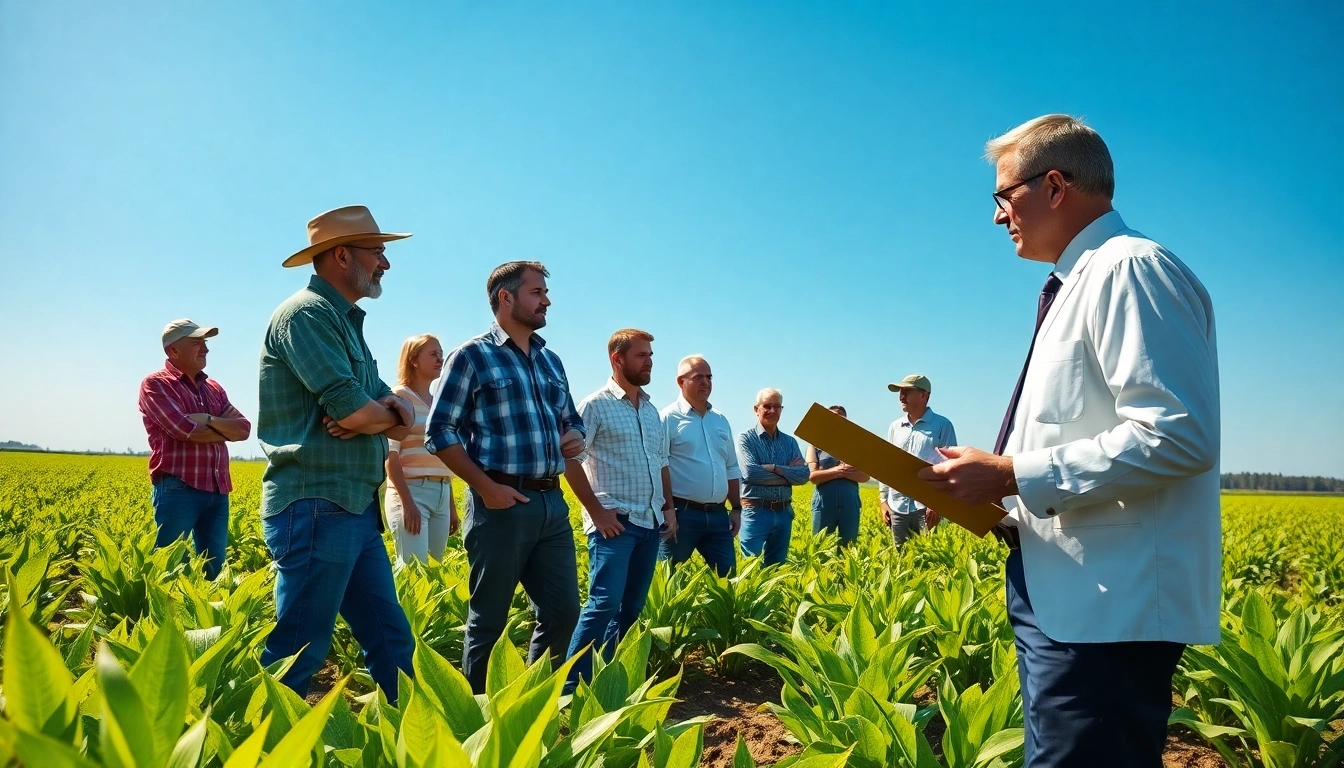
Understanding the Fundamentals of Agricultural Law
Definition and Scope of Agricultural Law
Agricultural law encompasses the body of laws and legal principles that govern the agricultural industry. This intricate field of law covers a wide array of topics, including land use, labor relations, environmental regulations, and food safety. In essence, it serves to regulate the production, distribution, and marketing of agricultural products, ensuring that processes are conducted fairly, sustainably, and legally. Understanding agricultural law is crucial for farmers, agribusinesses, and policymakers as it impacts their operations and the overall integrity of the food supply chain.
Key Regulations Impacting Agriculture
Agricultural law is influenced by various federal, state, and local regulations. Key regulations include:
- The Federal Agricultural Improvement and Reform Act: This act provides a framework for agricultural policies, including farm income supports.
- The Food Safety Modernization Act: Focused on ensuring the safety of the food supply, this law sets standards for growing, harvesting, and processing food.
- The Clean Water Act: Regulates the discharge of pollutants into the waters of the United States, directly affecting agricultural practices.
These legislative frameworks, among others, ensure that agricultural practices are sustainable and safe for consumers and the environment. However, staying compliant requires a solid understanding of these regulations.
Importance of Legal Compliance in Agriculture
Legal compliance is vital in agriculture due to the potential consequences of non-compliance, including fines, litigation, and the loss of operational licenses. Understanding agricultural law allows farmers and agribusinesses to navigate complex regulations effectively. Compliance not only protects businesses from legal repercussions but also enhances their reputation and promotes sustainable practices. Moreover, compliance with environmental laws can lead to better resource management and sustainability in agricultural practices.
Common Legal Issues in Agricultural Law
Land Use and Zoning Restrictions
Land use is a critical issue for agricultural operations. Zoning laws dictate how land can be used, and restrictions can vary significantly from one jurisdiction to another. In many cases, conflicts arise when farmers wish to expand their operations or diversify into new agricultural practices. Understanding local zoning laws and any agricultural exemptions is essential for circumventing potential legal challenges. Farmers should be proactive in engaging with local governing bodies to negotiate beneficial zoning classifications that support their agricultural endeavors.
Water Rights and Environmental Regulations
Water rights are a contentious aspect of agricultural law, especially in regions facing water scarcity. Farmers must navigate complex state and federal laws regarding water use and allocation. Environmental regulations often require farmers to implement practices that protect waterways from runoff and pollution. Non-compliance can lead to significant penalties and may also affect crop yields and land productivity. Establishing water management plans and engaging with environmental legal experts can help farmers manage these issues effectively.
Labor Laws Affecting Agricultural Workers
The agricultural sector relies heavily on labor, and various labor laws govern the employment of agricultural workers. Issues such as wage standards, worker safety, and labor rights must be addressed to comply with federal and state regulations. Furthermore, understanding the rights of seasonal and migrant workers is crucial. Employers should establish clear contracts and maintain transparent communication with workers to mitigate disputes and ensure compliance. Investing in training programs can also promote a safer, more equitable working environment. Ensuring compliance with labor laws not only protects farmers legally but also promotes a positive work culture that enhances productivity.
Navigating Contracts and Agreements in Agricultural Law
Types of Contracts in Agriculture
Contracts in agriculture can take many forms, including sales agreements, lease agreements, partnership contracts, and service contracts. Each type of contract serves a different purpose and requires a nuanced understanding of relevant laws. For instance, sales contracts govern the sale of produce, while lease agreements outline the terms of land rental between landowners and farmers. Ensuring that contracts are clear, detailed, and enforceable is vital for minimizing misunderstandings and disputes. Additionally, parties should consider including dispute resolution mechanisms within contracts to streamline conflict resolution.
Negotiation Tips for Farmers
Negotiating contracts can be daunting, especially for those unfamiliar with legal jargon. However, effective negotiation is crucial for securing favorable terms. Here are some tips for farmers:
- Preparation: Understand your needs and the market before entering negotiations.
- Know your counterpart: Research the other party’s interests and needs to find common ground.
- Clear Communication: Articulate your proposals clearly, focusing on how they benefit both parties.
Farmers should also consider involving legal professionals in negotiations, particularly for complex agreements.
Dispute Resolution in Agricultural Contracts
Disputes are a common occurrence in agricultural contracts. Effective dispute resolution is crucial for maintaining relationships and avoiding costly litigation. Methods such as mediation or arbitration can serve as viable alternatives to court proceedings. Establishing clear processes within contracts for addressing disputes can facilitate a smoother resolution process. Additionally, documenting communications and agreements can provide critical evidence should disputes arise.
Best Practices for Staying Compliant with Agricultural Law
Regular Legal Audits and Assessments
Conducting regular legal audits is essential for identifying potential compliance risks. These assessments can help farmers understand their obligations under various laws and regulations. A legal audit may cover topics such as environmental compliance, labor relations, and contract management. Engaging legal experts to conduct thorough assessments can provide valuable insights and help implement corrective measures as needed.
Engaging Legal Expertise for Compliance
Given the complexity of agricultural law, seeking legal expertise is highly advisable. Agricultural lawyers can assist with contract reviews, compliance strategies, and navigating regulatory changes. Establishing a relationship with a legal professional knowledgeable in agricultural law can be invaluable. They can provide ongoing support, ensuring that your operations remain compliant as laws evolve.
Staying Informed on Legislative Changes
Agricultural laws and regulations are continually evolving. Staying informed about legislative changes is vital for compliance. Farmers should subscribe to industry newsletters, follow relevant legal updates, and participate in agricultural associations. Additionally, attending workshops and seminars can provide insight into upcoming changes and best practices for compliance. Proactively staying informed helps mitigate risks associated with non-compliance.
The Future of Agricultural Law and Its Implications
Impact of Climate Change on Agricultural Regulations
Climate change is significantly impacting agricultural practices and the legal landscape surrounding them. Increased extreme weather events and shifting climate patterns may necessitate new regulations aimed at promoting sustainable practices. Farmers need to be adaptable, adopting practices that not only respond to regulatory changes but also mitigate their environmental impact. Collaboration with environmental experts can aid in developing sustainable practices that comply with emerging legal standards.
Technology and Legal Challenges in Agriculture
The rise of technology in agriculture, including precision farming, data analytics, and biotechnology, presents both opportunities and legal challenges. Issues surrounding data privacy, liability for technology failures, and regulatory compliance are becoming increasingly prominent. Farmers need to stay abreast of legal developments related to agricultural technology, ensuring compliance with regulations pertaining to emerging technologies.
Prospective Trends in Agricultural Law
Looking ahead, we can anticipate several trends in agricultural law. Increasing emphasis on sustainability will likely lead to stricter environmental regulations. Additionally, as consumer awareness grows regarding food safety and ethical sourcing, agricultural law may evolve to reflect these concerns. It is essential for farmers and agribusinesses to stay proactive in understanding these trends and adapting their practices accordingly. Engaging with legal experts can provide insights into navigating future challenges and regulations.