Understanding the Basics of Gardening
What is Gardening?
Gardening is the art and science of cultivating plants. This process involves growing a wide variety of flora, including flowers, vegetables, herbs, and ornamental plants within designated spaces. At its core, gardening can be as simple as nurturing a few indoor plants or as complex as maintaining expansive agricultural landscapes. Its scope ranges from personal enjoyment and food production to fostering environmental stewardship.
Through Gardening, individuals can engage with nature, enhance their surroundings, and grow their own food. This multi-faceted activity provides space for creativity, relaxation, and practical skill-building, which appeals to diverse demographics around the world.
The Benefits of Gardening
Gardening offers a plethora of benefits that go beyond the aesthetic appeal of a beautifully arranged flower bed or a well-tended vegetable patch. Some key advantages include:
- Physical Health: Gardening encourages physical activity, which promotes better cardiovascular fitness, strength, and endurance. Even light gardening tasks can burn calories and improve muscle tone.
- Mental Wellness: Engaging in gardening has been shown to reduce stress, anxiety, and depression. The act of nurturing plants provides a therapeutic outlet, fostering mindfulness and a sense of achievement.
- Environmental Impact: By growing your own plants, you decrease reliance on commercially produced goods, which often require extensive transportation and packaging. Moreover, personal gardens contribute to biodiversity and support local ecosystems.
- Nutrition: Home gardening allows access to fresh, organic produce, which can significantly enhance dietary habits. Growing vegetables and fruits encourages healthier eating and can reduce grocery expenses.
Choosing the Right Plants for Your Garden
To create a successful garden, selecting the right plants is crucial. Factors to consider include:
- Climate: Understanding your local climate and hardiness zone determines what plants will thrive in your region.
- Soil Type: Different plants prefer various soil types. Conducting a soil test can reveal pH levels and nutrient availability, guiding your choices.
- Sunlight Availability: Some plants require full sun, while others thrive in partial shade. Evaluate your garden’s sun exposure throughout the day to ensure optimal plant placement.
- Maintenance Requirements: Choose plants that align with your gardening experience and lifestyle. Some plants demand more attention than others; consider how much time you can realistically dedicate.
Essential Tools and Equipment for Gardening
Must-Have Gardening Tools
Having the right tools is essential for efficient and effective gardening. Below are some fundamental tools every gardener should consider having:
- Hand Trowel: Ideal for digging, planting, and transferring soil.
- Pruning Shears: Necessary for trimming plants and ensuring healthy growth.
- Gloves: Protect your hands from soil, pests, and injury while working in the garden.
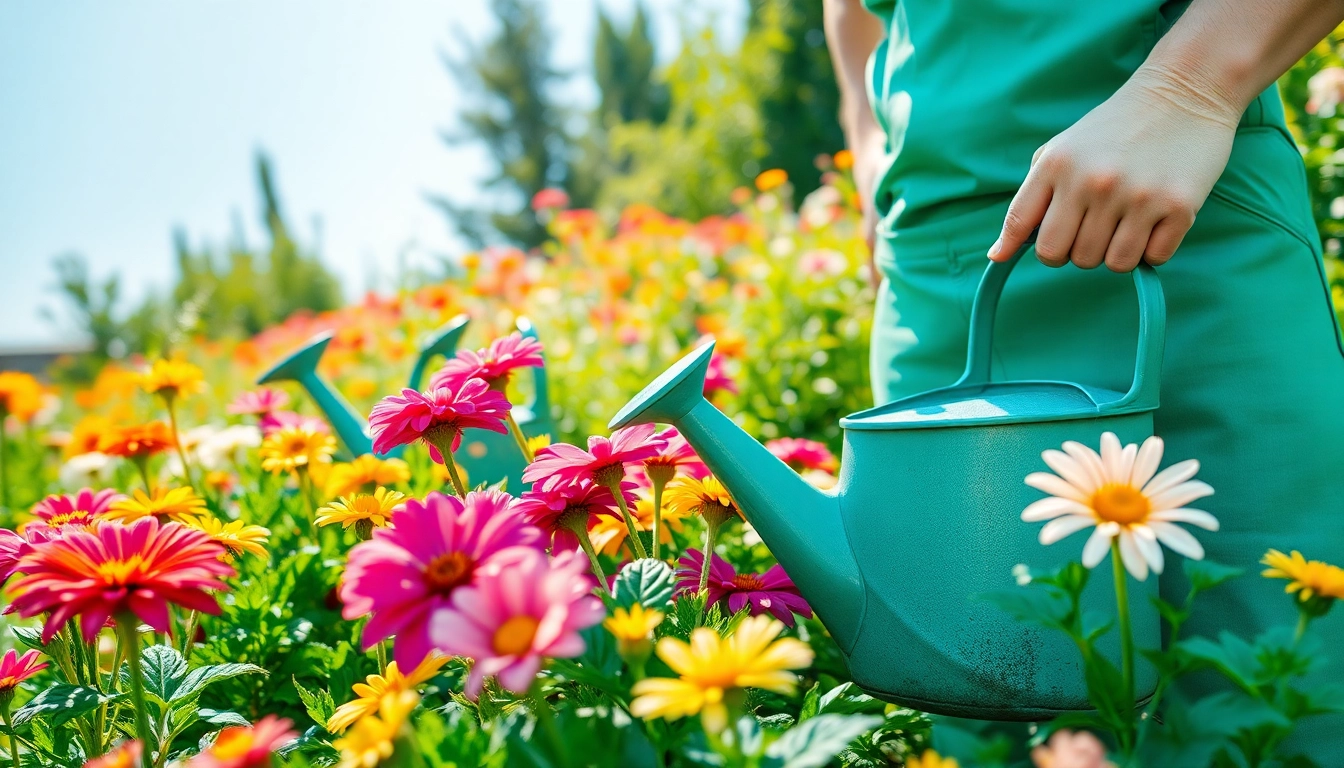
- Watering Can: Essential for delivering water to your plants, especially in targeted areas.
- Garden Hoe: Used for weeding and cultivating soil to prepare planting beds.
- Rake: Helps in gathering debris and leveling soil, making it easier to plant.
How to Care for Your Gardening Tools
Maintaining your gardening tools is vital for their longevity and performance. Here are some care tips:
- Cleaning: After each use, clean your tools with water to remove soil and plant residues. For stubborn dirt, you can use a brush.
- Drying: Ensure tools are completely dry before storing them to avoid rust and degradation.
- Sharpening: Keep your blades sharp by honing them regularly. This not only makes your work easier but also reduces the risk of injury.
- Storage: Store tools in a dry place, ideally in a shed or garage. Hanging them or using a tool organizer can help prevent damage.
Choosing the Right Soil and Fertilizers
The foundation of any garden is its soil, making it critical to choose the right type. The soil you select should have good drainage, availability of nutrients, and the ability to hold moisture. Here’s how to make the right choice:
- Soil Type: Depending on your garden’s needs, you might choose loamy, sandy, or clay soil. Loamy is often considered the best for most garden plants due to its balanced texture.
- Fertilizer Selection: Opt for organic fertilizers such as compost, bone meal, or fish emulsion to nourish plants while protecting the environment.
- Soil Testing: Conduct a soil test to determine the pH level and nutrient content. This can help you make informed decisions regarding amendments needed.
Planning Your Garden Layout
Designing a Gardening Plan
A well-thought-out gardening plan provides a roadmap for execution. Start by sketching your garden layout considering factors such as:
- Available Space: Measure the area you plan to use and decide on the types of plants you want to include.
- Plant Arrangement: Group plants with similar water and sunlight needs together to create a sustainable environment.
- Pathways: Design pathways for accessibility while minimizing disturbance to the garden.
Understanding Sunlight and Water Needs
Each plant has specific sunlight and water requirements. Understanding these can greatly influence your planting and care strategies. Here are key points to consider:
- Sunlight: Monitor your garden throughout the day to see how much direct sunlight each area receives. Full sun plants might need at least six hours of direct sunlight, while shade plants can thrive in partial light.
- Watering: Establish a watering schedule based on plant types and environmental conditions. It’s important to avoid both underwatering and overwatering, which can lead to root rot.
Incorporating Companion Planting
Companion planting enhances plant growth through strategic pairing. Certain plants can benefit one another, leading to more robust growth and better yields:
- Mutual Benefits: Some plants deter pests while others attract beneficial insects. For example, planting marigolds alongside vegetables can reduce aphid populations.
- Space Utilization: Companion plants can occupy scarce garden space efficiently. For example, intercropping tall plants with shorter ones maximizes sunlight exposure.
Advanced Gardening Techniques
Organic Gardening Practices
Organic gardening focuses on sustaining a garden set within natural ecosystems, favoring natural processes over synthetic inputs. To employ organic gardening practices:
- Soil Health: Prioritize building healthy soil through composting, crop rotation, and natural amendments rather than artificial fertilizers.
- Pest Management: Employ integrated pest management strategies, using physical barriers, biocontrol methods, and organic pesticides as necessary.
- Diversity: Cultivate a diverse range of plants to build resilience in your garden ecosystem, reducing the likelihood of pest outbreaks and disease.
Vertical Gardening Solutions
When space is limited, vertical gardening provides a solution by turning walls and fences into productive green areas. You can maximize space and improve aesthetics by:
- Vertical Planters: Use trellises, plant towers, or wall-mounted systems for growing climbing plants such as beans or tomatoes.
- Hanging Baskets: Utilize hanging pots for herbs or trailing plants, keeping your garden attractive and accessible.
- Recycled Materials: Create your own vertical gardens using repurposed items like pallets, gutters, and shoe organizers.
Using Hydroponics for Efficient Gardening
Hydroponics is a method of growing plants without soil, relying on nutrient-rich water solutions instead. This approach allows for:
- Space Efficiency: Hydroponics can be practiced in limited spaces, from small apartments to urban rooftops.
- Faster Growth: Without soil competition, plants can thrive and grow faster, often yielding more produce in less time.
- Water Conservation: Hydroponic systems utilize water more efficiently than traditional gardening methods, making it ideal for arid regions.
Maintaining Your Garden Throughout the Seasons
Seasonal Gardening Tasks
Maintaining a garden requires attention and care throughout the year. Here are some seasonal tasks:
- Spring: This is the time for planting, soil enrichment, and preparing the garden beds. Assess any damage caused by winter and tend to pruning.
- Summer: Focus on watering, mulching to conserve moisture, and vigilant weed control during the heat.
- Fall: Prepare for winter by cleaning up debris, harvesting late crops, and protecting perennials with mulch.
- Winter: Plan for the next growing season by evaluating last year’s successes and failures. Start seeds indoors if your climate permits.
Controlling Pests Naturally
Natural pest control methods preserve the environment while safeguarding your plants. Consider these strategies:
- Beneficial Insects: Encourage ladybugs and lacewings, which are natural predators of common garden pests.
- Natural Repellents: Use sprays made from garlic, chili, or neem oil to deter pests without harmful chemicals.
- Cultural Practices: Rotating crops and removing debris can disrupt pest life cycles and minimize infestations.
Winter Preparations for Your Garden
Preparing your garden for winter is crucial for ensuring its health come spring:
- Mulching: Apply a thick layer of mulch to protect roots and retain soil moisture.
- Planting Cover Crops: Incorporate cover crops to maintain soil structure and prevent erosion during the winter months.
- Tool Maintenance: Clean and store tools to prevent rust and damage, ensuring they’re ready for spring use.