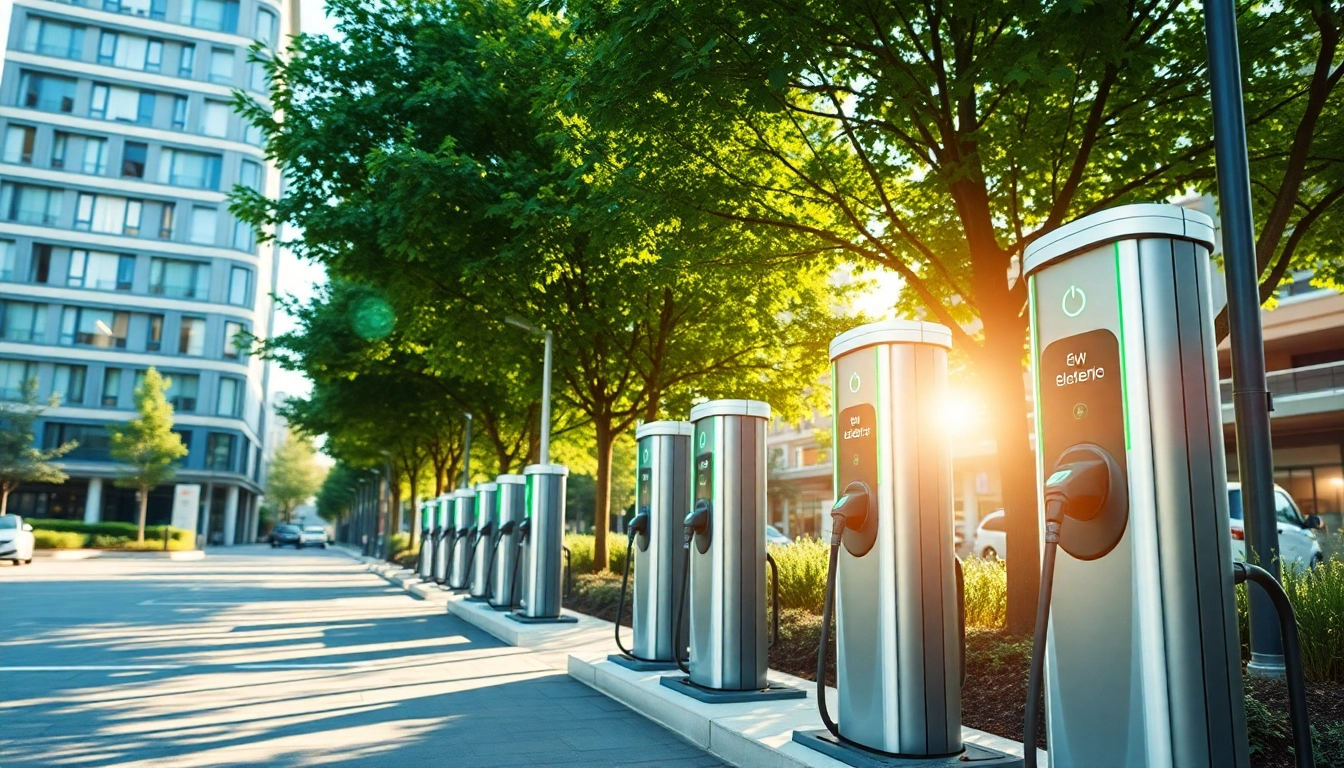
Understanding EV Charging Solutions
Definition and Importance
Electric Vehicle (EV) charging solutions encompass a range of infrastructure and technologies designed to power electric vehicles. As the world shifts towards sustainable energy and electric mobility, these solutions play a crucial role in reducing carbon emissions, promoting cleaner air quality, and enhancing energy security. With advancements in technology, the availability and efficiency of these charging solutions continue to evolve, providing convenience and reliability for EV users.
The global transition to electric transportation makes understanding EV charging solutions essential. They serve not only individual consumers but also businesses, municipalities, and organizations seeking to contribute to a greener future. Their integration into our daily lives reflects the pressing need for sustainable energy practices and the viability of electric vehicles as alternatives to traditional combustion engines.
Types of EV Chargers
EV chargers are categorized primarily into three types: Level 1, Level 2, and DC fast chargers. Level 1 chargers typically use a standard household outlet, providing a slow charge suitable for overnight use. Level 2 chargers require a dedicated electrical circuit and can charge a vehicle much more quickly, making them ideal for home and public installations. DC fast chargers are designed for rapid charging, capable of powering up vehicles in a fraction of the time, making them essential for highway networks and high-traffic areas.
Benefits of EV Charging Solutions
There are numerous benefits associated with implementing EV charging solutions. These include:
- Environmental Impact: Promoting the use of EVs reduces greenhouse gas emissions and dependency on fossil fuels.
- Economic Benefits: The growth of EV infrastructure creates jobs in installation, maintenance, and software development.
- Energy Efficiency: Many modern chargers are equipped with smart technology that optimizes energy use and costs.
- User Convenience: Electric vehicle owners enjoy the convenience of charging at home or nearby locations, reducing range anxiety.
Types of EV Charging Solutions
Home Charging Stations
Home charging stations are a key aspect of EV ownership, enabling users to charge their vehicles conveniently from the comfort of their homes. These stations typically use Level 2 charging systems, which can fully charge most electric cars in just a few hours. They offer customizable features such as timers and smart charging capabilities that allow users to optimize their energy use based on pricing and availability.
Public Charging Networks
Public charging networks facilitate widespread access to charging stations, making it easier for EV owners to recharge during long trips or while commuting. These networks often include a combination of Level 2 and DC fast charging stations strategically located in retail, parking, and roadside facilities. Key considerations for public charging infrastructure include accessibility, maintenance of the stations, and the integration of user-friendly payment methods.
Fast Charging Solutions
Fast charging solutions, primarily using DC fast chargers, are essential for enabling long-distance travel for electric vehicles. These chargers can replenish a significant portion of an EV's battery in just 30 minutes, dramatically reducing downtime for drivers. Implementing fast charging stations in strategic locations such as highways can foster greater adoption of electric vehicles by alleviating consumer concerns regarding range and charging availability.
Best Practices for Implementing EV Charging Solutions
Site Selection Criteria
Choosing the right location for EV charging installations is vital for maximizing user engagement. Key criteria include:
- Traffic Volume: Sites with high foot traffic, such as shopping centers or workplace locations, will attract more users.
- Accessibility: Easy access to charging stations enhances user convenience and encourages more drivers to consider EVs.
- Proximity to Amenities: Charging stations near restrooms, dining options, or shopping can provide a more favorable charging experience.
Integration with Renewable Energy
Integrating renewable energy sources, such as solar panels, with EV charging solutions enhances sustainability. This approach not only reduces reliance on non-renewable energy but can also promote energy cost savings for consumers. Innovations, such as storage batteries, can capture excess energy generated during the day and deliver it to charging stations during peak usage hours, maximizing efficiency.
User Experience Considerations
Enhancing the user experience is essential for the success of EV charging solutions. Key factors include:
- Simplicity: Streamlined interfaces and clear instructions help users navigate charging procedures without confusion.
- Real-time Information: Providing real-time updates on charger availability and charging status through mobile applications or display screens enhances user confidence.
- Payment Options: Multiple secure payment methods can improve accessibility and reduce barriers to charging.
Challenges in Adopting EV Charging Solutions
Infrastructure Limitations
The current infrastructure for electric vehicles faces several challenges, including the uneven distribution of charging stations. Rural and less populated areas often lack proper charging infrastructure, which can deter potential EV owners. Addressing these disparities is essential to enable widespread EV adoption and encourage more users to switch to electric vehicles.
Cost and Investment Concerns
While the long-term financial benefits of EV chargers can be substantial, the initial costs associated with installation and equipment can be prohibitive for some businesses and municipalities. Strategies such as government incentives, utility partnerships, and innovative financing models can help alleviate these concerns and encourage investment in charging infrastructure.
Consumer Awareness and Education
Despite the growing popularity of electric vehicles, many consumers still lack relevant knowledge about EV technology and charging solutions. Public education initiatives can play a vital role in raising awareness about the benefits of EVs, debunking common misconceptions, and highlighting the convenience of charging solutions that fit into consumers' lives.
Future of EV Charging Solutions
Innovations on the Horizon
The future of EV charging solutions is promising, characterized by emerging technologies that aim to improve charging efficiency and user experience. Developments such as ultra-fast charging technology, vehicle-to-grid systems, and wireless charging may revolutionize how we think about electric vehicle power needs, making charging more accessible and integrated into daily life.
Policy Developments
Government policies play a crucial role in shaping the future of EV charging solutions. Incentives, subsidies, and regulations aimed at expanding charging infrastructure can accelerate adoption rates and create a more unified electric vehicle ecosystem. Collaborative efforts between public and private stakeholders can streamline the establishment of robust networks across urban and rural areas.
Potential Market Growth
The electric vehicle market is projected to expand dramatically over the coming years, directly impacting the demand for EV charging solutions. Major growth areas include commercial fleet electrification, residential charging stations, and public charging networks. As consumer preferences shift toward sustainable transportation, those investing in charging infrastructure are well-positioned to capitalize on this dynamic market shift.
Frequently Asked Questions
What types of EV chargers are available?
There are three main types of EV chargers: Level 1 (standard outlets), Level 2 (residential and commercial equipment), and DC fast chargers (for rapid charging at public stations).
How long does it take to charge an electric vehicle?
Charging times vary based on the charger type. Level 1 can take up to 12-24 hours, Level 2 normally takes 4-8 hours, and DC fast chargers can provide 80% charge in 20-60 minutes.
Can I charge my EV at home?
Yes, many EV owners install Level 2 charging stations at home, which can fully charge their vehicles overnight, making charging convenient and cost-effective.
Are public charging stations free?
Some public charging stations offer free charging as an incentive, while others may require payment. It varies depending on location and provider, so checking in advance is advisable.
What's the best way to find nearby charging stations?
Mobile apps and GPS devices specifically designed for electric vehicles provide real-time information on nearby charging stations, including their availability and charging speeds.