Understanding Smog Checks
What is a Smog Check?
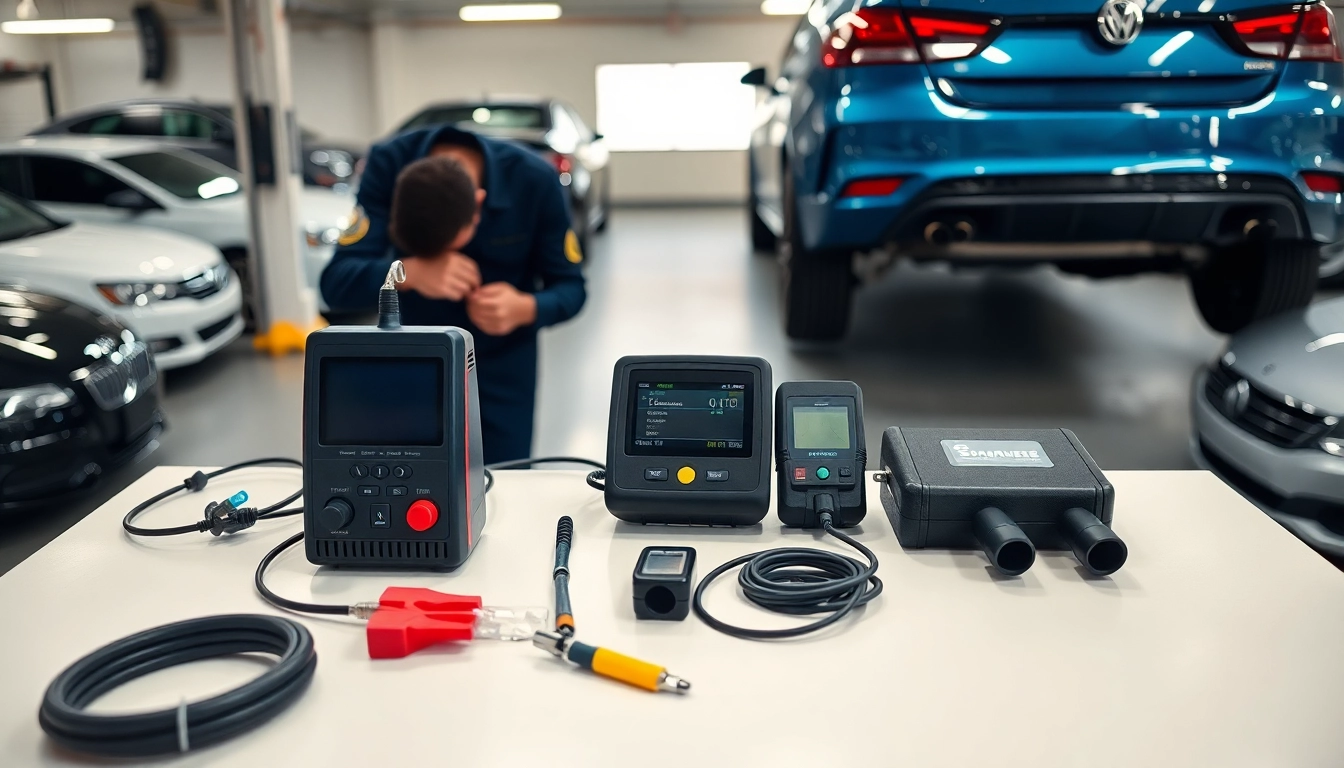
A smog check, also known as an emissions test, is a procedure to assess the levels of pollutants emitted from a vehicle. It's a crucial element in the push for cleaner air and a healthier environment. Smog checks are performed using specialized equipment that measures the exhaust from a car's engine, ensuring that it adheres to the emission standards set by state or national regulations. During a smog check, a technician will evaluate various components of the vehicle, including the engine, fuel system, and exhaust system, to determine if they are functioning correctly and producing acceptable emissions levels.
Importance of Smog Checks for Vehicle Health
Regular smog checks play a vital role in maintaining the overall health of your vehicle. They not only help in identifying potential problems but also ensure that your vehicle operates efficiently. By catching issues early, you can avoid expensive repairs down the line and prolong the life of your vehicle. Moreover, a well-maintained vehicle typically performs better, providing improved fuel economy and reducing greenhouse gas emissions.
Regulatory Guidelines for Emission Testing
Regulatory bodies establish guidelines for emissions testing to ensure compliance with air quality standards. Each state may have different regulations regarding the frequency of smog checks, the criteria for passing, and the specifics of how the tests are conducted. Drivers must check and comply with their local regulations to know when their vehicle is due for a smog check. Ignoring these regulations can result in fines and the inability to renew vehicle registrations.
Benefits of Regular Smog Checks
Improving Vehicle Performance and Longevity
Regular smog checks can lead to significant improvements in vehicle performance. By ensuring that your car's emissions system is functioning properly, you can enhance fuel efficiency, resulting in savings at the gas pump. Furthermore, maintaining a healthy vehicle can help extend its lifespan, allowing you to enjoy your investment for years. When vehicle components are checked and maintained regularly, the likelihood of sudden breakdowns decreases, leading to a smoother driving experience.
Environmental Impact of Emission Compliance
When all vehicles adhere to emissions standards, the overall environmental impact is greatly reduced. Fewer pollutants are released into the air, which means cleaner air for everyone. This compliance is essential in urban areas, where vehicle emissions contribute to smog and health issues. Regular smog checks encourage responsible vehicle ownership, which is critical in the collective effort to combat air pollution and support environmental sustainability.
Potential Cost Savings through Early Detection
Identifying vehicle issues early through regular smog checks can lead to substantial cost savings. If a problem is caught before it becomes serious, repairs are typically less costly and simpler. Additionally, maintaining your vehicle's emissions system can help avoid costly fines associated with non-compliance. As vehicles that fail smog checks can incur substantial fees for registration, investing in regular checks is a financially sound decision.
Finding Quality Smog Check Near me
What to Look for in a Smog Check Provider
Finding a reliable smog check provider is crucial for ensuring your vehicle undergoes accurate testing. Look for a licensed facility with certified technicians who are knowledgeable about the latest regulations and testing methods. It is also beneficial to select a provider that offers a convenient location and hours to fit your schedule. Transparency in pricing and clear explanations of the smog check process will add to your confidence in choosing the right provider. For instance, you can start your search for a Smog Check Near me to find local facilities that can meet your needs.
Reading Reviews and Testimonials
Customer reviews and testimonials provide insight into the quality of service offered by smog check providers. By examining feedback from past customers, you can gauge the facility's reputation, service speed, and technician professionalism. Look for patterns in the reviews; consistent high praise for particular aspects of a provider's service can be a good indicator of quality. A preponderance of negative reviews, on the other hand, should raise red flags and prompt further investigation.
Questions to Ask Before Scheduling a Check
Before scheduling your smog check, it's prudent to ask some key questions to ensure you’re making an informed choice. Inquire about the cost of the test, how long the process typically takes, and if any additional services such as repairs are offered on-site. It may also be helpful to understand their policy regarding retesting if your vehicle fails initially, as well as the types of payment accepted and any warranties offered on repairs or services.
Common Misconceptions about Smog Checks
Myths vs. Facts in Emissions Testing
There are several myths associated with smog checks that can confuse vehicle owners. One common misconception is that smog checks are unnecessary if a vehicle appears to be running well. However, emissions can be harmful even if a vehicle seems to operate flawlessly. Another myth is that older cars always fail smog checks. While older vehicles may be more likely to have emissions issues, many are well-maintained and compliant. Understanding the facts surrounding smog checks can help drivers make educated decisions regarding their vehicle's maintenance.
Understanding the Smog Check Process
The smog check process involves several steps that ensure a thorough assessment of your vehicle's emissions. First, a technician will inspect the vehicle to ensure all necessary components are in place and functioning. Following this inspection, the vehicle will undergo electronic testing that involves analyzing exhaust emissions through specialized equipment. Finally, a report will be generated indicating whether the vehicle passed or failed the test, along with details on any necessary repairs.
Limitations of Smog Checks
While smog checks serve an essential role in vehicle maintenance and environmental protection, they do have limitations. Smog checks do not cover every aspect of vehicle safety or performance. For instance, while a vehicle may pass an emissions test, it could still have mechanical issues that affect safety or operation. Thus, it's important to view smog checks as one component of a broader vehicle maintenance regimen rather than a complete assessment of vehicle health.
Preparing for Your Smog Check Appointment
Documents and Information to Bring
To streamline the smog check process, it's important to bring the necessary documents and information to your appointment. Typically, you will need to provide proof of vehicle ownership, current registration, and any previous smog check results if applicable. Having these documents readily available can help the technician to complete the check more efficiently, minimizing any delays.
What to Expect During the Inspection
During the smog check inspection, you can expect the technician to perform a variety of tests and assessments on your vehicle. This will likely include an inspection of the exhaust system, emission controls, and other components related to emissions. The technician may also conduct visual inspections and utilize specialized equipment to monitor exhaust emissions levels. The process may last from 20 minutes to an hour, depending on the vehicle's condition and the facility's workload.
After the Check: Understanding Your Results
After completing your smog check, you will receive a report detailing the results of the inspection. If your vehicle passes, you will typically receive a certificate that you may need to provide for registration renewal. In the event of a failure, the report will outline the specific issues detected and potential repairs needed to achieve compliance. Understanding these results is crucial in determining the next steps to ensure your vehicle is roadworthy and environmentally compliant.