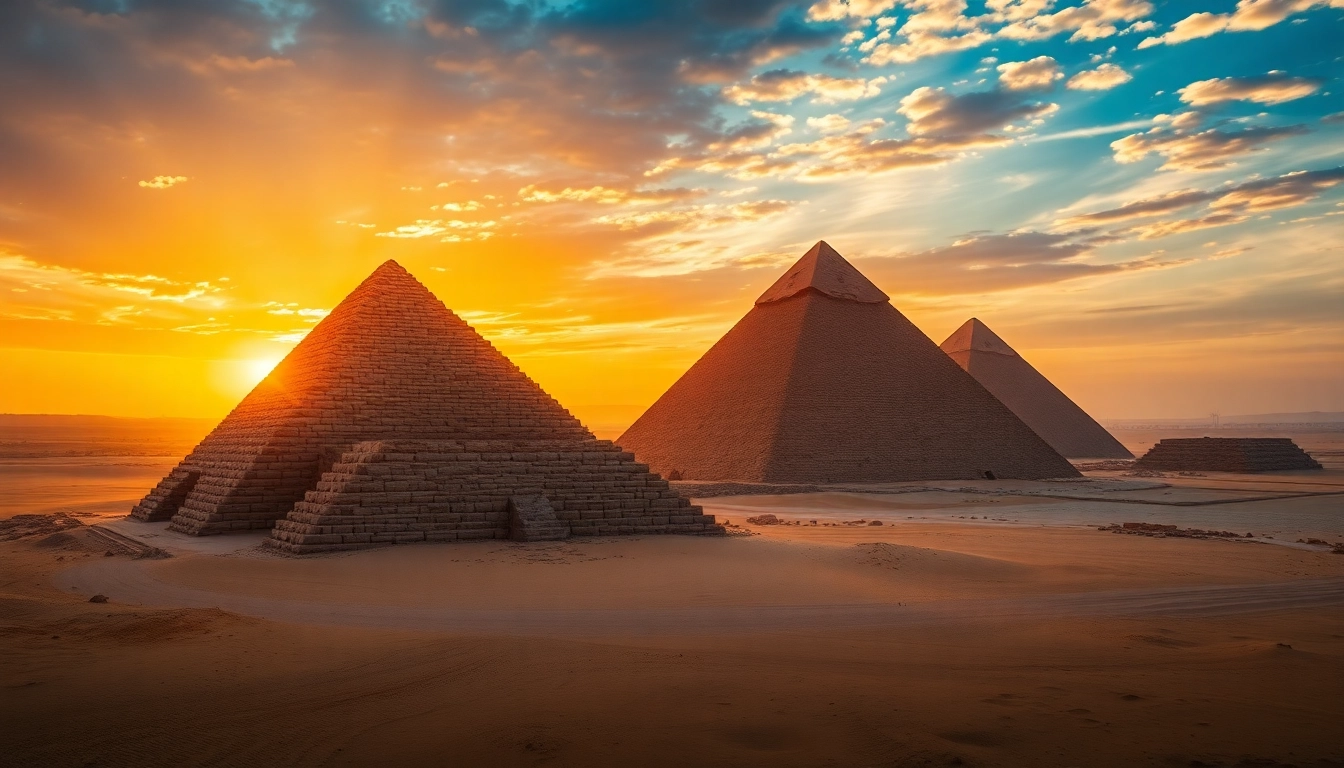
Understanding Pyraminds: A Historical Overview
The piraminds have captivated human imagination for centuries. They stand as monumental indicators of human ingenuity, artistry, and spiritual beliefs. As we delve into their historical significance, we uncover not only their architectural prowess but also their roles in ancient societies, particularly in Egypt.
The Origins of Pyraminds in Ancient Egypt
The concept of building pyramids in Egypt dates back to around the 27th century BCE during the Third Dynasty of the Old Kingdom. The earliest pyramids were step pyramids, the most famous of which is the Step Pyramid of Djoser at Saqqara, designed by the architect Imhotep. This structure marked a significant evolution in funerary architecture, transitioning from simple mastabas (flat-roofed tombs) to grand pyramid constructions.
Significance of Pyraminds in Egyptian Culture
Pyramids were not merely tombs; they were central to the Egyptian belief in the afterlife. They represented a means for the deceased, particularly pharaohs, to ascend to the heavens and join the gods. Consequently, their design and orientation were carefully planned to align with celestial bodies, thus reflecting ancient Egyptians' profound connection with astronomy and spirituality.
Major Pyraminds: Giza and Beyond
The Pyramids of Giza, comprising the Great Pyramid of Khufu, the Pyramid of Khafre, and the Pyramid of Menkaure, are the most iconic examples. Khufu’s pyramid, the largest, originally stood at 146.5 meters, making it the tallest man-made structure for over 3,800 years. Beyond Giza, numerous lesser-known pyramids exist throughout Egypt and in neighboring Nubia, each contributing to our understanding of ancient construction techniques and cultural practices.
The Architecture of Pyraminds: How Were They Built?
Construction of the pyramids involved complex planning, labor organization, and engineering techniques. This section explores the materials, labor force, and innovations that resulted in the monumental structures we see today.
Materials and Techniques Used in Pyramid Construction
The primary materials used in pyramid construction were limestone (locally sourced), granite (quarried from Aswan), and mud bricks. The outer casing of the pyramids was often polished Tura limestone, making them shine brilliantly under the sun. Construction techniques likely involved a system of ramps combined with a thorough understanding of levers and counterweights to transport massive stones.
The Role of Laborers in Building Pyraminds
Contrary to popular belief, the pyramids were not built by slaves but rather by a workforce of skilled laborers and craftsmen. These workers were likely organized into teams and worked in shifts. Evidence from workers' villages at Giza suggests that they received food, medical care, and shelter, indicating a well-structured labor system in place that provided workers with incentives beyond mere survival.
Innovations in Pyramid Design Over Time
Throughout their evolution, the design of pyramids became more sophisticated. The transition from step pyramids to smooth-sided pyramids saw architectural innovation, including the development of the true pyramid shape seen in the Red Pyramid and Bent Pyramid of Sneferu. These innovations exemplify the growing technical expertise of architects and builders, leading to structures that not only served practical purposes but also conveyed immense ideological significance.
Pyraminds and the Afterlife: Beliefs and Pyramids
The pyramids were vital in ancient Egyptian beliefs surrounding death and the afterlife. They embodied the eternal journey of the soul and were designed to protect the deceased's body and possessions for the afterlife.
The Spiritual Significance of Pyraminds
The spiritual essence of pyramids is anchored in their function as gateways to the afterlife. They symbolized the primordial mound from which life emerged, encapsulating the cosmic order. Hieroglyphs and artworks found within pyramids often depict scenes that illustrate the deceased's journey through the afterlife and their quest for immortality.
Pyraminds as Tombs: Exploring Burial Practices
Pyramids housed elaborate burial chambers filled with items believed to be necessary for the afterlife, including food, tools, and treasure. Religious rituals, like the opening of the mouth ceremony, served to allow the deceased to partake in the offerings provided by the living. The redesigned burial practices over the years depicted shifting religious beliefs regarding death and the afterlife.
Artifacts Found Within Pyraminds
Numerous artifacts found within pyramids have helped historians reconstruct the daily life of ancient Egyptians and their spiritual beliefs. These artifacts range from jewelry and pottery to tools and murals depicting daily tasks and religious practices. Notable finds, such as the treasures of Tutankhamun, have provided profound insights into that era's craftsmanship and beliefs.
Current Research and Discoveries Related to Pyraminds
The study of pyramids continues to evolve with advancements in technology and archaeological methods, leading to exciting new discoveries about these structures and their builders.
Recent Archaeological Findings
Recent excavations have uncovered previously hidden chambers and artifacts within various pyramids. For instance, the use of muon tomography has revealed voids in the Great Pyramid's structure, suggesting a more complex internal design than previously thought. These findings offer opportunities for further exploration and understanding of ancient Egyptian construction techniques.
Technologies Transforming Pyramid Studies
Innovative technologies such as 3D scanning, augmented reality, and drones are revolutionizing the way researchers study pyramids. These tools not only provide unprecedented access to hard-to-reach areas but also enable detailed mapping and analysis of site layouts, improving overall comprehension of the architectural design and historical significance.
Uncovering Hidden Structures Beneath Pyraminds
Recent advancements have also led researchers to explore hidden structures beneath known pyramids. Using advanced radar and other non-invasive techniques, scientists have identified potential shafts and chambers that may reveal more about the construction methods and cultural practices of ancient Egyptians.
Visiting the Pyraminds: A Guide for Tourists
A visit to the pyramids is an awe-inspiring experience, offering a glimpse into ancient civilization's grand architectural achievements. This section will help you navigate your visit effectively.
Best Times to Visit the Pyraminds
The best time to visit the pyramids is during Egypt's cooler months, from October to April. Avoiding the hot summer months not only provides a more comfortable experience but also allows for better exploration of the extensive sites without the desolation of the midday sun.
Key Attractions Near the Pyraminds
Visitors can extend their experience beyond the pyramids to see nearby sites like the Great Sphinx, the Solar Boat Museum, and other historical monuments across the Giza Plateau. Each site provides additional context to the cultural and historical significance of the pyramids.
Tips for Traveling Effectively to the Pyraminds
When planning your visit, consider joining a guided tour to gain deeper insights into the history and construction of the pyramids. Additionally, carry essential items such as water, sunscreen, and comfortable footwear to enhance your experience as you explore these ancient wonders.
FAQ1: What are the pyraminds primarily used for?
The pyramids were primarily built as tombs for pharaohs and noble individuals, symbolizing their journey to the afterlife.
FAQ2: How long did it take to build the pyraminds?
The construction of the pyramids often took several decades, depending on the size and resources available.
FAQ3: Are there pyraminds outside of Egypt?
Yes, pyraminds can be found in various cultures around the world, including the Maya and Aztecs in Central America.
FAQ4: What materials were used to build the pyraminds?
The primary materials used included limestone, granite, and mud bricks, each chosen for their durability and availability.
FAQ5: How can one preserve knowledge about the pyraminds?
Ongoing research and preservation efforts, along with tourism education programs, are essential for maintaining knowledge about the pyraminds.