What is Structural Timber Frame?
Definition and Overview
Structural Timber Frame refers to a construction technique that utilizes wooden beams and posts to create a load-bearing framework for buildings. This method is characterized by its use of large timber pieces, often connected through traditional joinery techniques, which can provide strength and durability. The popularity of Structural Timber Frame construction has grown in recent years due to its aesthetic appeal and environmental benefits.
Components of Structural Timber Frame
Understanding the components of a Structural Timber Frame is crucial for appreciating its construction. The primary elements include:
- Posts: Vertical supports that bear the load of the building.
- Beams: Horizontal elements that connect posts and provide roof or floor support.
- Trusses: Frameworks of beams used to support the roof.
- Wall Frames: Assemblies of vertical and horizontal framing components that create wall structures.
Historical Significance
The use of timber in construction has ancient roots, with timber-framed buildings dating back to the medieval era. This method has evolved significantly over the centuries, transitioning from a necessity in regions abundant with forests to a sustainable and popular choice in modern architecture. Today, the heritage of Structural Timber Frame not only serves practical purposes but also reflects cultural significance in various geographical areas.
Benefits of Structural Timber Frame Construction
Energy Efficiency
One of the standout advantages of Structural Timber Frame is its energy efficiency. The design allows for excellent insulation, reducing energy consumption for heating and cooling. Wood itself is a natural insulator, and when used in combination with modern insulation materials, it minimizes heat loss in winter and keeps spaces cooler in summer.
Cost-Effectiveness
While the initial cost of timber frame construction can be comparable to other methods, the long-term savings can be substantial. The quick assembly and reduced construction time lower labor costs. Additionally, the energy efficiency translates to reduced utility bills over the lifespan of the structure, making it a financially viable option.
Design Flexibility
Another significant benefit of Structural Timber Frame is its versatility in design. Builders can easily tailor timber frame structures to meet specific aesthetic and functional requirements, allowing customization of layouts, styles, and finishes. These flexible design capabilities make it a favored choice among architects and homeowners alike.
Challenges in Structural Timber Frame Design
Common Construction Issues
Though beneficial, there are challenges associated with Structural Timber Frame construction. These can include complications stemming from the unevenness of timber, which may lead to structural inconsistencies. Properly trained builders and stringent quality controls are essential to mitigate these issues and ensure the integrity of the structure.
Maintenance Considerations
Timber, while durable, is susceptible to issues such as rot, insect infestation, and water damage. Regular maintenance, including inspections and treatments, is crucial for preserving the integrity and longevity of Structural Timber Frame buildings. This may include applying protective finishes, ensuring proper drainage around the foundation, and using pest control measures as necessary.
Regulatory Compliance
Building codes and regulations can pose a challenge in timber frame construction. Compliance with fire safety codes, structural engineering standards, and environmental regulations is mandatory. Understanding and navigating these regulations is vital for successful project execution, and engaging with professionals who are well-versed in these areas can prevent setbacks.
Best Practices for Implementing Structural Timber Frame
Design Approaches and Techniques
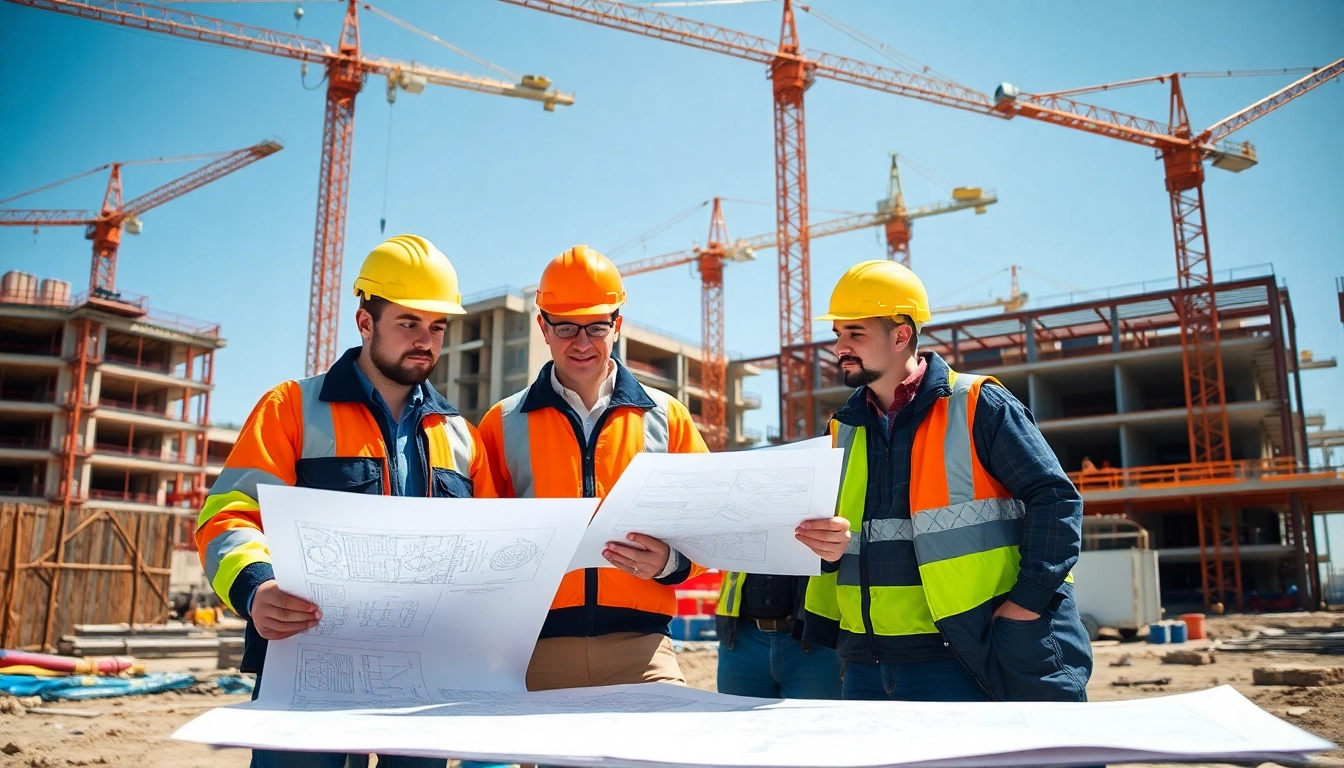
Effective design is fundamental to the success of a Structural Timber Frame project. Utilizing design software can streamline the planning process, optimizing structural integrity while allowing architects to visualize aesthetic elements. Collaborating with structural engineers early in the design phase can also facilitate better alignment with load-bearing requirements.
Material Selection
Choosing the right materials is crucial for ensuring the quality and durability of a timber frame structure. High-quality, sustainably sourced timber is recommended to enhance performance and minimize defects. Additionally, pairing timber with innovative materials, such as engineered wood products, can provide enhanced strength and insulation benefits.
Sustainability Practices
Emphasis on sustainability is increasingly important in construction. Utilizing sustainably harvested timber, incorporating energy-efficient designs, and choosing eco-friendly materials are ways to promote sustainability in Structural Timber Frame buildings. Such practices not only contribute to environmental conservation but can also appeal to environmentally conscious clients.
Future of Structural Timber Frame Construction
Innovations and Trends
As technology continues to progress, the future of Structural Timber Frame construction looks promising. Innovations such as cross-laminated timber (CLT) and digitally designed components are gaining traction. These developments allow for taller, more complex timber structures that were previously difficult to construct.
Market Growth and Demand
The demand for timber frame construction is on the rise, driven by its numerous advantages and growing public interest in sustainable building practices. Market growth indicators suggest that more developers and homeowners are opting for timber frame solutions, particularly in residential and commercial buildings, contributing to greater acceptance and utilization in the construction industry.
Case Studies and Success Stories
Numerous successful projects showcase the versatility and benefits of Structural Timber Frame construction. Case studies of residential homes, educational institutions, and commercial spaces illustrate its adaptability and potential for creating stunning architectural designs. These success stories not only serve as inspiration but also demonstrate the practical application of effective timber frame construction techniques.
Frequently Asked Questions
1. What are the disadvantages of timber frame structures?
Disadvantages can include susceptibility to rot, insect damage, and potential fire hazards. Proper care and treatment can mitigate these concerns.
2. How long can timber framed buildings last?
A well-constructed timber frame building can last for over 100 years, especially if properly maintained, with some historic timber structures lasting far longer.
3. Is timber frame construction cost-effective?
Yes, while initial costs may be similar to other methods, reduced labor and energy costs often result in lower overall expenditure over time.
4. Can timber frame buildings be designed for larger structures?
Absolutely! Innovations like Cross-Laminated Timber (CLT) allow for larger, multi-story buildings while maintaining structural integrity.
5. How do I maintain a structural timber frame building?
Regular inspections, maintaining proper drainage, treatments to prevent pests, and applying protective finishes are essential for maintenance.