Introduction to Plastic Injection Molding Machines
Plastic injection molding machines have transformed the manufacturing landscape, revolutionizing how products are made across various industries. This advanced technology allows for the mass production of precise components with high efficiency. The integration of speed, precision, and cost-effectiveness makes plastic injection molding machines an essential tool in modern manufacturing. This article will delve deeper into the fascinating world of injection molding, exploring its mechanisms, advantages, applications, and future trends.
What is a Plastic Injection Molding Machine?
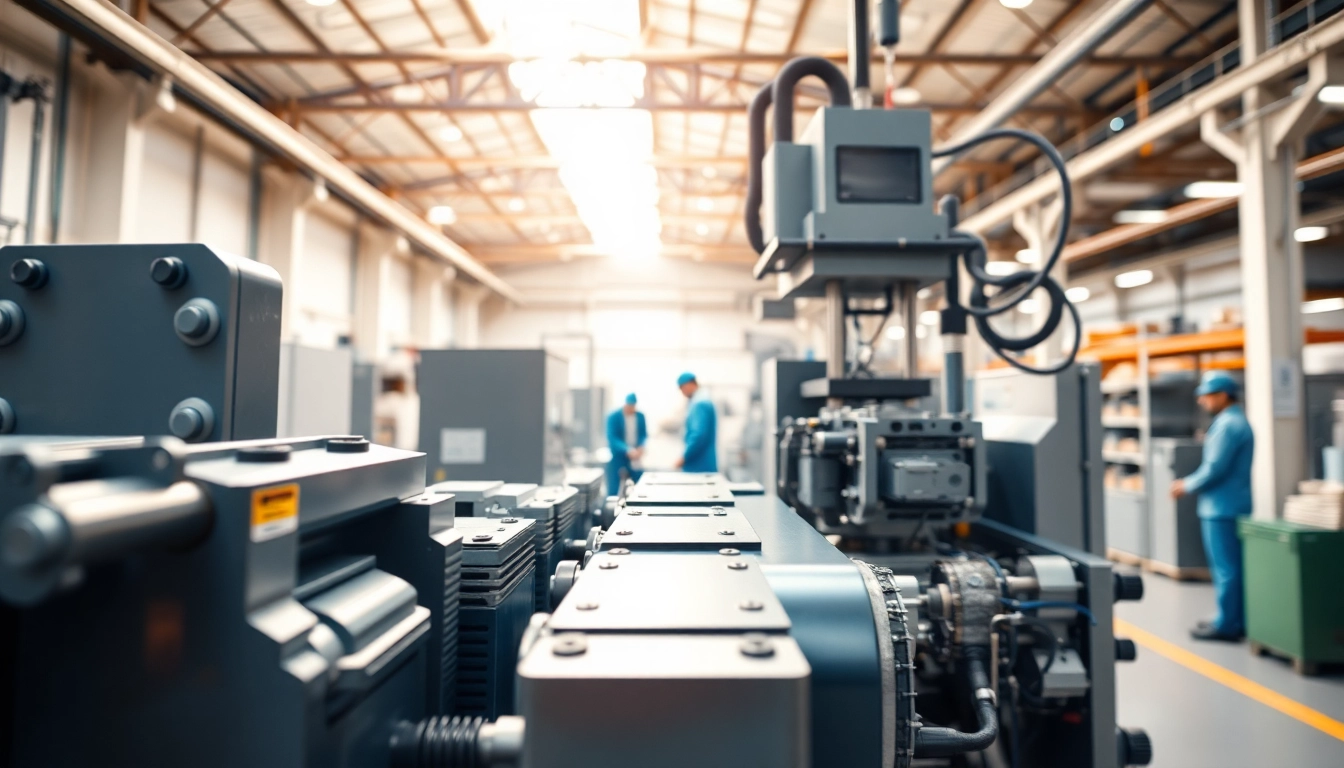
A plastic injection molding machine is a complex apparatus designed to produce plastic parts by injecting molten plastic into a mold. The machine consists of an injection unit, which melts the plastic, and a clamping unit, which holds the mold in place during the injection process. The versatility of these machines allows them to create parts of various shapes and sizes in a wide range of industries.
History and Evolution of Injection Molding
The history of injection molding dates back to the 19th century, beginning with the invention of the first patent for an injection molding machine by John Wesley Hyatt and his brother in 1872. Initially, the process was primarily used for creating billiard balls from celluloid—a type of plastic. Over the decades, advancements in technology and materials led to the development of modern injection molding techniques, transforming it into a highly automated and efficient production method used in diverse applications.
Key Components of Injection Molding Machines
Understanding the main components of an injection molding machine is essential for comprehending how the entire system operates. These components include:
- Injection Unit: Responsible for melting the plastic pellets and injecting them into the mold.
- Clamping Unit: Secures the mold halves together under pressure during injection and cooling.
- Mold: The cavity that shapes the molten plastic into the desired form.
- Hydraulic or Electric Drive System: Provides the necessary power for injection and clamping actions.
- Control System: A user interface that allows operators to monitor and adjust parameters like temperature, pressure, and cycle time.
How Plastic Injection Molding Works
The Injection Process Explained
The plastic injection molding process involves several steps, each critical to producing high-quality parts:
- Melting: Plastic pellets are fed into a heated barrel, where they are melted and mixed.
- Injection: The molten plastic is injected into a closed mold cavity at high pressure.
- Cooling: The plastic cools and solidifies inside the mold, taking its shape.
- Ejection: The mold opens, and ejector pins push the finished part out.
Due to the efficiency of this process, companies can produce large volumes of parts in a short amount of time while maintaining consistent quality.
Types of Plastics Used in Injection Molding
Various thermoplastics and thermosetting plastics can be used in injection molding, each with unique properties suitable for specific applications. Commonly used plastics include:
- Polypropylene (PP): Known for its flexibility and resistance to chemical degradation.
- Polyethylene (PE): Offers excellent moisture barrier properties and is widely used for packaging.
- Polyvinyl Chloride (PVC): Versatile and used for both rigid and flexible applications.
- Acrylonitrile Butadiene Styrene (ABS): Known for its toughness and impact resistance.
- Polycarbonate (PC): High strength and transparency make it suitable for high-performance applications.
Cycle Time and Production Efficiency
The cycle time in plastic injection molding refers to the time taken to complete one production cycle, typically ranging from a few seconds to several minutes, depending on part complexity and material used. Enhancing production efficiency is vital for manufacturers. Strategies include optimizing mold design, improving cooling times, and automating material handling processes. Efficient cycle times lead to reduced operational costs and increased profitability.
Advantages of Using Plastic Injection Molding Machines
Cost-effectiveness in Manufacturing
One of the primary advantages of injection molding is its cost-effectiveness, especially in high-volume production. Although initial setup costs are high, including mold creation, the per-part cost significantly decreases with increased production. This efficiency in cost makes injection molding a preferred choice for manufacturers looking to optimize their budgets without compromising quality.
High Precision and Quality Control
Plastic injection molding machines are known for their precision. Modern machines offer advanced control systems that allow for tight tolerances and consistency in the manufacturing process. Quality control measures, including in-line inspections and automated testing, further ensure that every part meets the required specifications. This high level of quality and precision is crucial in industries such as aerospace and medical device manufacturing, where even slight deviations can result in significant problems.
Versatility in Design and Production
Injection molding supports a wide range of designs; complex geometries and intricate details can be efficiently produced. Additionally, the ability to use multiple materials in a single mold opens up possibilities for hybrid parts. This versatility enables designers to innovate freely, pushing the boundaries of what is possible in product development.
Common Applications of Plastic Injection Molding
Automotive Industry Innovations
In the automotive industry, plastic injection molding is pivotal for manufacturing lightweight, durable components that enhance vehicle performance and fuel efficiency. Parts like dashboards, bumpers, and interior trims are often produced through injection molding due to the process's ability to create complex shapes while minimizing weight. Innovations in this sector are ongoing, with advancements in material technology leading to even lighter and stronger components being developed.
Consumer Electronics Components
The boom in consumer electronics has further propelled the demand for injection-molded components. Smartphones, laptops, and gaming consoles rely heavily on plastic parts for enclosures, buttons, and other internal components. The precise manufacturing capabilities ensure that these parts can function effectively while maintaining an aesthetically pleasing design.
Medical Device Manufacturing
Plastic injection molding plays a crucial role in producing medical devices, where precision, sterility, and reliability are of utmost importance. Devices such as syringes, connectors, and housings for electronic medical equipment must be manufactured with high-quality standards. Compliance with regulatory requirements is a significant aspect of this sector, and injection molding can easily meet these stringent criteria.
Future Trends in Plastic Injection Molding Technology
Advancements in Automation and Robotics
Automation and robotics are leading the way in enhancing the efficiency and precision of injection molding processes. Automated systems can handle repetitive tasks such as material loading and part ejection, reducing labor costs and minimizing human errors. Moreover, advancements in robotics allow for real-time data collection and predictive maintenance, ensuring that machines operate smoothly without unexpected breakdowns.
Environmental Impact and Sustainability Practices
As the world increasingly focuses on sustainability, the injection molding industry is adapting to minimize its environmental footprint. This includes adopting greener practices such as reducing waste, recycling materials, and utilizing bio-based plastics. Manufacturers are also investing in energy-efficient machines and processes, optimizing energy consumption while maintaining productivity.
Emerging Materials and Techniques
Innovation in material science is opening new horizons for plastic injection molding. Emerging materials such as engineered plastics and composite materials are gaining traction, offering enhanced durability and performance. Techniques like multi-material injection molding enable the production of parts that combine different material properties, creating opportunities for innovative design solutions that cater to diverse market needs.
In conclusion, plastic injection molding is a key player in modern manufacturing, known for its efficiency, precision, and versatility. As this technology continues to evolve, it will remain integral to various industries, adapting to meet future demands and challenges.