What is eSIM and How Does it Work?
Defining eSIM Technology
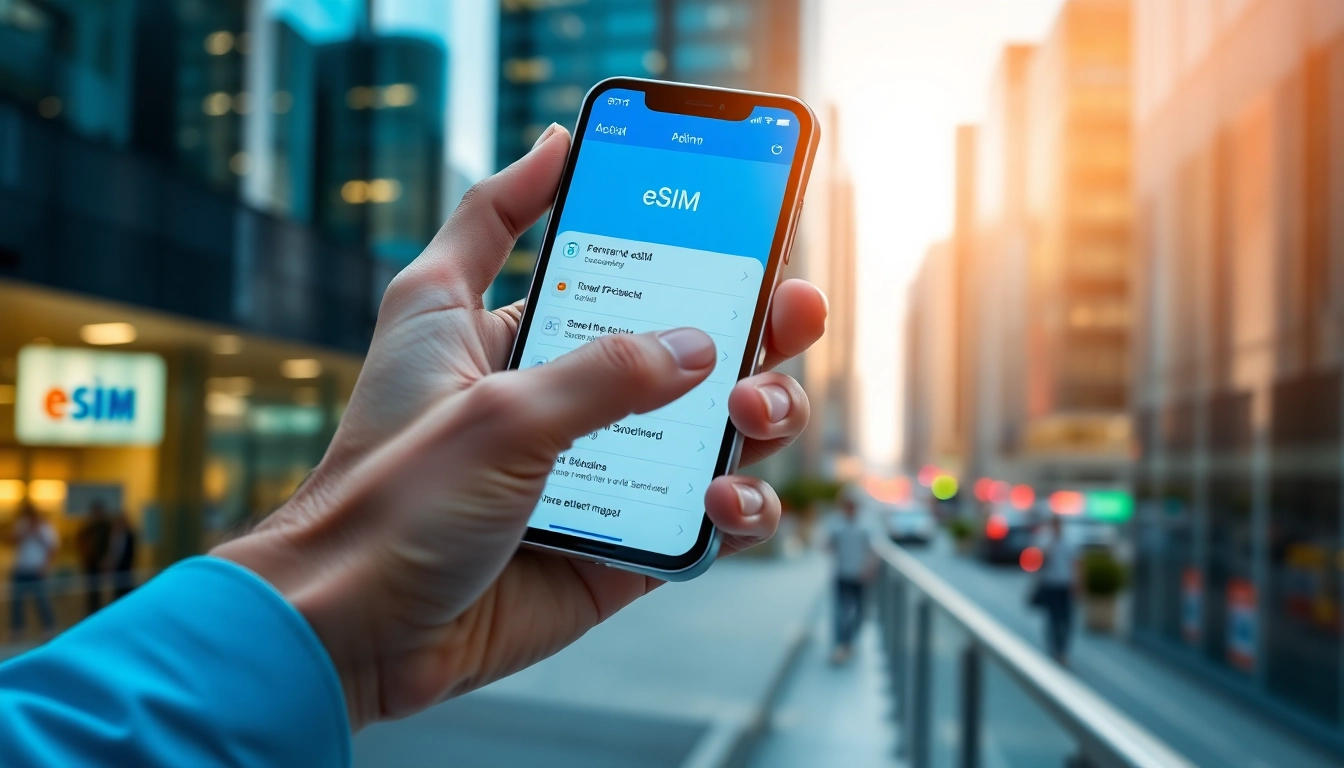
eSIM, or embedded SIM, represents a significant evolution in mobile connectivity. Unlike traditional SIM cards, which are removable and require physical swapping, eSIMs are integrated directly into mobile devices. This digital approach allows users to activate a mobile plan without needing to handle a physical card. Essentially, an eSIM functions as a programmable chip embedded in the device, capable of supporting multiple carrier profiles and shifting between them seamlessly. For those looking for more information on eSIM technology, https://esimfo.com offers extensive resources.
Benefits of Using eSIM
The adoption of eSIM technology brings numerous benefits for consumers and manufacturers alike. One of the most significant advantages is convenience. Users no longer need to physically insert or remove SIM cards when switching carriers or plans. This capability is especially beneficial for frequent travelers who need to change mobile networks to avoid international roaming charges while ensuring seamless connectivity.
Additionally, eSIM technology supports multiple profiles. This means that users can hold and switch between plans from various carriers without limitations of physical space, making it highly effective for individuals who travel or require different plans for work and personal use.
Security is another advantage of eSIM. Since the chip is embedded within a device, it is generally more secure against tampering and theft. Many eSIMs also offer features that enhance tracking and management, making it easier for manufacturers and network operators to provide support and updates.
How eSIM Compares to Traditional SIM Cards
While traditional SIM cards have served as the backbone of mobile connectivity for decades, eSIM technology offers revolutionary improvements. Traditional SIM cards, which are physical entities, require users to obtain and carry multiple cards if they want to switch providers or plans. This logistics burden is fully eliminated with eSIM, which is built directly into devices such as smartphones, tablets, and even wearables.
Moreover, eSIMs boast greater flexibility. A user can change their mobile carrier from within their device's settings without needing a new physical card—streamlining the entire process. Comparatively, traditional SIM cards can be lost or damaged, which could lead to significant downtime if replacements aren’t available immediately.
In situations where rapid connectivity is crucial, such as for businesses needing reliable communication tools, the immediacy and ease of eSIM activation provide a standout advantage over traditional SIM solutions.
Setting Up Your eSIM
Step-by-Step Activation Process
Activating an eSIM is a straightforward process, designed with user-friendliness in mind.
- Check Device Compatibility: First, ensure that your device supports eSIM technology. Most modern smartphones, tablets, and smartwatches now come equipped with this capability.
- Select a Carrier: Choose a mobile service provider that offers eSIM plans. Many popular carriers provide special packages that can be activated digitally.
- Download the eSIM Profile: After purchasing a plan, users often receive a QR code via email or an app. Scan this QR code using your device’s settings to download the eSIM profile.
- Activate the eSIM: Follow the on-screen prompts to activate the eSIM. This usually involves entering an activation code if provided.
- Test Your Connection: Once activation is complete, test your connection to ensure everything is working properly. Make a call or access the internet to confirm connectivity.
Compatible Devices for eSIM
As eSIM technology has become increasingly popular, a wide range of devices have started to support it. Most flagship smartphones from leading manufacturers, such as Apple, Samsung, and Google, now come with eSIM capabilities. This also extends to newer models of tablets and laptops, ATMs, and various Internet of Things (IoT) devices. Here’s a short list of some device categories that typically feature eSIM capabilities:
- Smartphones
- Tablets
- Smartwatches
- Laptops
- Wearable devices
Always check the specific model and manufacturer details to confirm eSIM support before making a decision.
Troubleshooting Common Setup Issues
While setting up an eSIM can be straightforward, users sometimes encounter issues. Here are a few common problems and their solutions:
- Incorrect QR Code: Ensure you are using the QR code provided by your carrier. If it doesn't work, contact their support for a valid code.
- Device Not Recognizing eSIM: This could be due to software updates. Make sure your device’s operating system is fully updated.
- Network Connectivity Issues: Confirm that the eSIM activation was successful by checking settings. Restart your device to refresh the connection.
- Profile Management: Users may need to manage multiple profiles if using more than one eSIM. Go to your device's settings and check the mobile plan settings to switch between profiles.
eSIM Use Cases and Applications
Traveling with eSIM: Stay Connected Anywhere
For modern travelers, eSIM technology offers unparalleled convenience. Individuals can avoid high roaming charges by switching to local carriers seamlessly upon arrival at their destination. This capability is especially advantageous for frequent travelers who require reliable connectivity in multiple countries.
Moreover, many eSIM providers offer short-term plans tailored specifically for travelers, allowing industries involved in tourism and hospitality to leverage these flexible options to enhance customer experiences.
eSIM for IoT Devices: Expanding Connectivity
eSIM technology is imperative in developing the Internet of Things (IoT). With its capacity to support multiple profiles in a single chip, eSIMs facilitate the connection of numerous devices—everything from smart home appliances to industrial sensors and vehicles. This connectivity not only enhances functionality but also simplifies management since devices can switch networks based on connectivity quality, costs, or available features.
As IoT continues to grow, the ability to connect more devices without requiring individual physical SIM cards will play an essential role in expanding network infrastructures and services.
eSIM in Business: Advantages for Enterprises
Businesses are increasingly adopting eSIM technology due to the flexibility and cost-effectiveness it offers. Employees can easily switch their connectivity plans based on travel needs without waiting for new SIM cards. This enhanced agility allows companies to respond more effectively to changing circumstances while reducing overhead costs associated with logistics.
Additionally, eSIM enables better management of corporate mobile devices. IT departments can remotely manage connectivity profiles, ensuring that employees always have access to the best available mobile networks, regardless of their location.
Comparing eSIM Providers
Key Features to Look for in an eSIM Provider
When selecting an eSIM service provider, several key attributes should be considered:
- Network Coverage: Ensure the provider offers extensive coverage in your target regions to avoid limited access.
- Pricing Structures: Evaluate the rates, including activation fees and costs per data plan. Compare the cost-effectiveness based on your potential usage.
- Plan Flexibility: Look for providers that allow easy adjustments to your plan according to your changing needs.
- Customer Support: An accessible and responsive customer service team is crucial for troubleshooting and assistance.
Pricing and Plans Offered by Various eSIM Services
Pricing for eSIM services varies significantly depending on the carrier and the type of plan offered. Many providers feature a range of options, including daily, monthly, and long-term plans, depending on user needs. It's crucial to analyze available bundles that allow users to save money when traveling internationally or requiring connectivity without committing to a long-term contract.
Some eSIM providers focus on specific demographics, such as travelers or business professionals, and could offer tailored options. Investigating what different providers offer will help in finding a plan that meets needs without unnecessary expenses.
User Reviews: Which eSIM Provider is Best?
User reviews are instrumental in understanding the quality and reliability of various eSIM providers. Seeking feedback from users who have firsthand experience with different services can highlight the strengths and weaknesses of specific carriers. Look for platforms that aggregate customer reviews to gauge satisfaction levels comprehensively and understand any recurring issues. Analyzing real user experiences can drive more informed choices when selecting an eSIM provider.
The Future of eSIM Technology
Trends in eSIM Adoption
The trajectory of eSIM adoption illustrates its increasing integration into everyday life. With ongoing advancements in mobile technology, more manufacturers are integrating eSIM capabilities into their devices, creating a broader marketplace. This trend aligns with the global push toward more sustainable technologies, as eSIM eliminates the need for producing, packaging, and shipping physical SIM cards.
Additionally, as global mobile data consumption patterns evolve, industries are expected to further embrace eSIM technology to streamline connectivity and enhance user experience.
Predictions for the Mobile Communication Landscape
Experts predict that eSIM technology will catalyze profound changes in the mobile communication landscape. Enhanced flexibility, security, and service delivery will likely lead to a more competitive marketplace as service providers innovate to keep pace with evolving consumer expectations. Connectivity might also expand into previously underserved areas, improving access to technology globally.
How eSIM Will Shape Consumer Choices
As eSIM technology becomes more prevalent, consumers will experience unprecedented flexibility and choice regarding mobile connectivity. The shift from traditional SIM cards to digital solutions is encouraging users to explore more options tailored to their specific needs. As more service providers enter the market, this competition will likely drive down prices, ultimately benefiting consumers looking for the best connectivity solutions.