What are Engineered Composites?
Definition and Overview
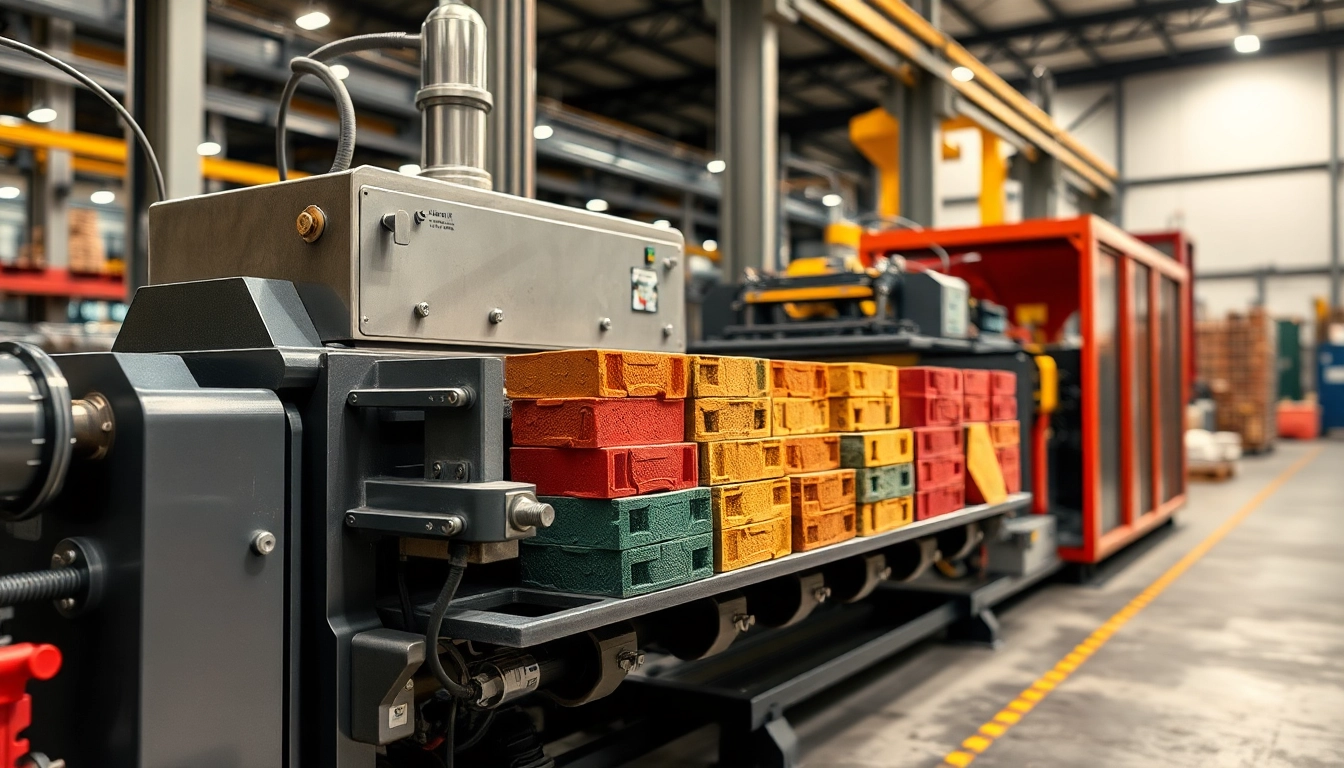
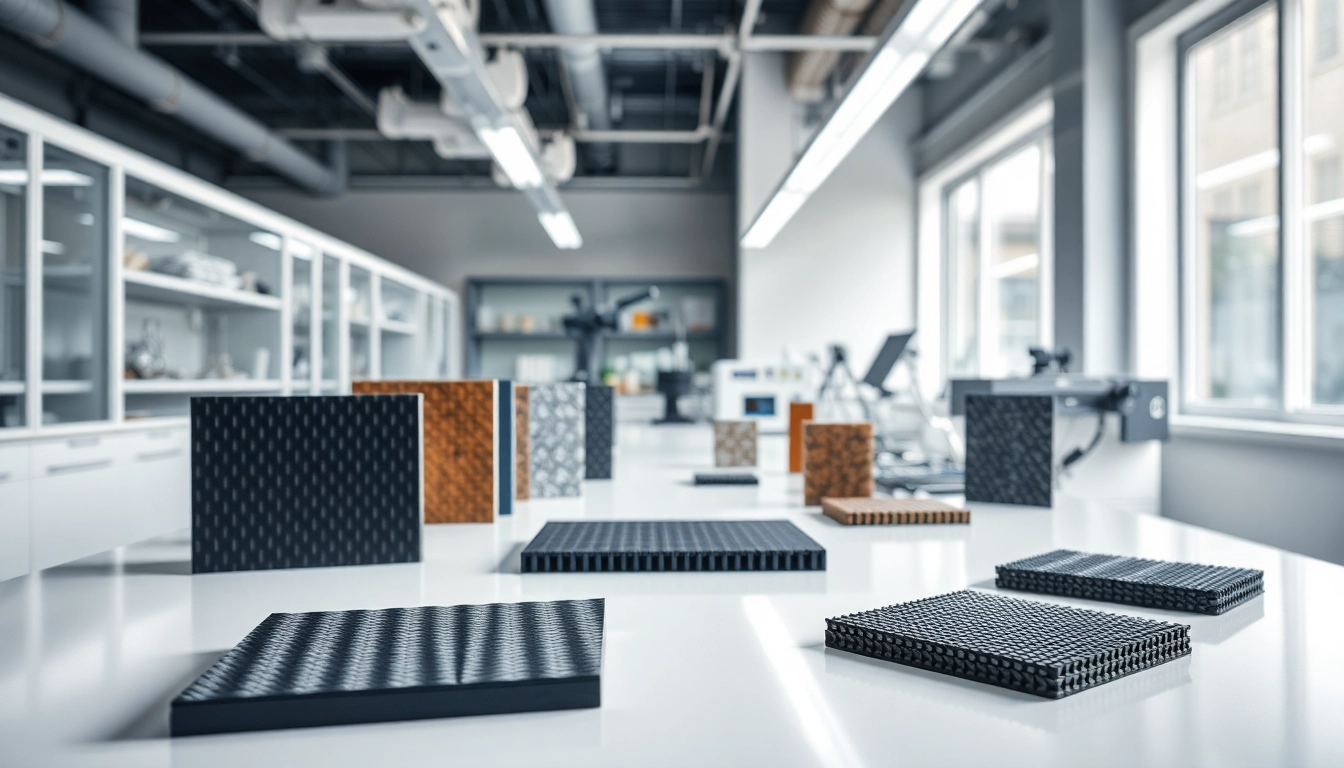
Engineered composites are advanced materials that combine two or more different substances to create a product with tailored properties. Unlike traditional composites that rely on specific material combinations for structural support, engineered composites are meticulously designed to enhance performance characteristics such as strength, weight, and durability. These materials are integral in various manufacturing industries, contributing to innovations that improve efficiency and effectiveness.
Often utilized in high-performance applications, these composites are engineered at the molecular level, ensuring that they meet rigorous standards. By strategically combining materials like plastics, fibers, and metals, engineered composites can leverage the unique properties of each substance, ultimately resulting in superior materials that address specific challenges within their respective fields. For in-depth insights into the specific applications and advantages, explore additional resources about Engineered Composites.
Types of Engineered Composites
Engineered composites can be categorized into several types, based on their matrix and reinforcement materials. The most common classifications include:
- Polymer Matrix Composites (PMC): These composites use a polymer (plastic) as the primary matrix, reinforced with materials like glass or carbon fibers. PMCs are lightweight and resistant to corrosion, making them ideal for automotive and aerospace applications.
- Metal Matrix Composites (MMC): Incorporating metals like aluminum or titanium, these composites are reinforced with ceramic or other metal fibers, enhancing their thermal and mechanical properties. They typically find use in aerospace applications where strength and thermal management are critical.
- Ceramic Matrix Composites (CMC): CMCs are designed for extreme conditions, using ceramic fibers set in a ceramic matrix. They are crucial in high-temperature environments like jet engines or rocket nozzles.
- Natural Fiber Composites (NFC): Using natural fibers such as hemp or flax, these composites are increasingly being used in sustainable applications, offering an eco-friendly alternative to synthetic materials.
Material Properties
Engineered composites possess unique material properties that make them suitable for various applications. Some of the key properties include:
- High Strength-to-Weight Ratio: Engineered composites provide excellent strength without adding significant weight, making them perfect for aeronautical and automotive applications.
- Corrosion Resistance: Many composites resist degradation from corrosive environments, leading to longer lifespans in construction and marine applications.
- Thermal and Electrical Insulation: Certain engineered composites can act as both thermal and electrical insulators, which is particularly advantageous in electronic and electrical applications.
Key Applications of Engineered Composites
Aerospace and Aviation
Aerospace applications leverage the lightweight nature and strength of engineered composites for critical components such as wings, fuselage, and interior features. The reduction in weight leads to improved fuel efficiency and performance. Notably, carbon fiber reinforced composites are extensively used in commercial and military aircraft. Manufacturers are continuously exploring new composite formulations to meet the industry's stringent safety and performance standards.
Automotive Industry
Engineered composites play a transformative role in the automotive industry, contributing to the production of lighter vehicles that enhance fuel efficiency without sacrificing safety or durability. Various components like body panels, chassis, and interior fixtures are being manufactured using composites. This transition not only supports regulatory compliance regarding emissions but also improves overall vehicle performance and handling.
Construction and Infrastructure
In construction, engineered composites provide innovative solutions for enhanced durability and sustainability. These materials are increasingly used for components like facades, beams, and reinforcements that require resistance to different environmental factors. Such applications lead to longer-lasting structures and reduced maintenance costs, making engineered composites a preferred choice among civil engineers.
Benefits of Using Engineered Composites
Weight Reduction and Efficiency
The primary advantage of using engineered composites is their ability to drastically reduce weight while maintaining high strength. This weight reduction translates into improved efficiency across various sectors, from aviation to automotive, allowing for better fuel economy and performance outcomes. Manufacturers can optimize designs without compromising on safety or functionality.
Durability and Strength
Engineered composites offer exceptional durability, making them suitable for applications that demand resistance to fatigue, impact, and harsh environmental conditions. This heightened durability ensures a longer life cycle for products, reducing the frequency of replacements and maintenance efforts.
Cost-Effectiveness
While the initial cost of engineered composites might be higher than traditional materials, their long-term benefits often prove cost-effective. Reduced maintenance, longer lifespan, and improved efficiency contribute to lower operational costs, leading to significant savings over time.
Innovations in Engineered Composites
New Material Development
Ongoing research in material science has led to the development of innovative composite materials such as bio-composites derived from sustainable sources or nanocomposites that offer enhanced properties. These new materials focus on improving performance parameters like tensile strength, thermal resistance, and environmental sustainability.
Technological Advancements
Technological advancements in manufacturing processes, such as 3D printing and automated fiber placement, are revolutionizing the way engineered composites are produced. These methods reduce waste and enable the creation of complex geometries that were previously unattainable, further expanding the potential applications of engineered composites.
Case Studies of Successful Implementation
Numerous case studies exemplify the successful implementation of engineered composites across various industries. Aeronautical companies showcase significant weight savings and fuel efficiency gains while automotive manufacturers report enhanced safety and performance metrics. These real-world applications not only validate the benefits of engineered composites but also provide valuable insights for potential future applications.
Challenges and Future of Engineered Composites
Environmental Impact
While engineered composites offer numerous advantages, their production and disposal can pose environmental challenges. As the industry continues to evolve, it is crucial to focus on developing sustainable practices and recycling methodologies that can mitigate the environmental impact.
Production Challenges
The production of engineered composites can be complex due to the need for precise fabrication techniques and quality control measures. This complexity often results in longer lead times and higher production costs. Addressing these challenges through improved manufacturing methods and technologies is essential for the broader adoption of engineered composites.
Future Trends and Research Directions
Future trends in engineered composites will likely revolve around enhancing environmental sustainability, cost efficiency, and material performance. Ongoing research is focused on integrating smart materials that can self-heal or adapt to environmental changes, further expanding the potential applications of engineered composites in various fields.
FAQs
What are engineered composites?
Engineered composites are advanced materials made by combining two or more substances to create products with specific, enhanced properties for various applications.
What are the key benefits of using engineered composites?
The key benefits include weight reduction, increased durability, and cost-effectiveness, making them suitable for critical industries such as aerospace, automotive, and construction.
Where are engineered composites used?
Engineered composites are extensively used in aerospace, automotive, construction, and electrical industries, among others, optimizing performance and efficiency.
What challenges do engineered composites face?
Challenges include environmental impact during production and disposal, production complexity, and ensuring consistent quality control in manufacturing processes.
What is the future of engineered composites?
The future will likely focus on sustainable practices, enhancing material performance, and integrating innovative manufacturing technologies for broader applications.