
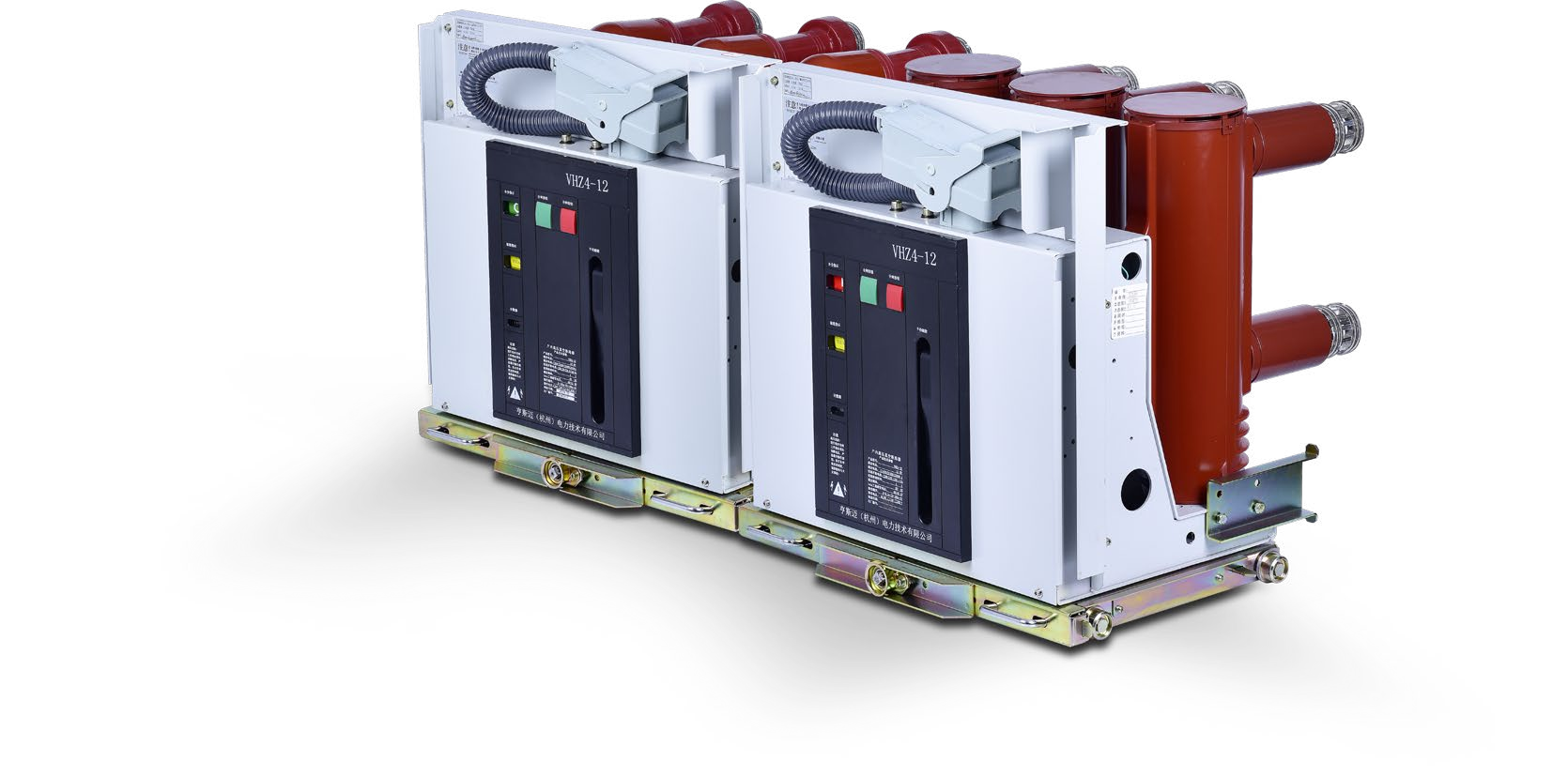
Introduction to Contact Erosion in Vacuum Circuit Breakers
A Vacuum circuit breaker is a key device in modern electrical systems, designed to safely interrupt current during faults and protect equipment from damage. While a Vacuum circuit breaker offers high reliability and low maintenance, one of the critical factors affecting its performance is contact erosion. Contact erosion in a Vacuum circuit breaker occurs due to the repetitive arcing between contacts during switching operations. Over time, this can reduce the efficiency, reliability, and lifespan of the Vacuum circuit breaker. Understanding the causes, effects, and preventive measures for contact erosion is essential for ensuring optimal operation. A Vacuum circuit breaker relies on durable contacts and a sealed vacuum chamber to achieve arc extinction, but even under ideal conditions, wear and tear can occur. The rate of contact erosion depends on factors such as current magnitude, switching frequency, material quality, and operating environment. Monitoring and managing contact erosion in a Vacuum circuit breaker ensures consistent performance, reduces downtime, and extends operational life. Proper knowledge about contact erosion allows engineers to maintain a Vacuum circuit breaker effectively, ensuring reliable power system protection.
Causes of Contact Erosion in Vacuum Circuit Breakers
High-Current Fault Interruption
One of the primary causes of contact erosion in a Vacuum circuit breaker is the interruption of high fault currents. When a fault occurs, the contacts separate rapidly, creating an arc. Although the vacuum environment extinguishes the arc quickly, the intense heat generated during the process can vaporize a portion of the contact material. Repeated fault interruptions accelerate the erosion of the Vacuum circuit breaker contacts, affecting performance.
Frequent Switching Operations
Frequent opening and closing of a Vacuum circuit breaker also contribute to contact erosion. Each switching operation produces small arcs, which over time, erode the contact surface. In applications with high operational cycles, the rate of contact erosion in a Vacuum circuit breaker is significantly higher than in low-cycle applications.
Material Degradation
The quality and type of contact material directly impact the erosion rate. Poorly engineered contacts or substandard alloys in a Vacuum circuit breaker are more susceptible to wear. Modern Vacuum circuit breaker designs use copper-chromium alloys or other high-performance materials to reduce contact erosion and enhance durability.
Effects of Contact Erosion on Vacuum Circuit Breakers
Reduced Electrical Conductivity
Contact erosion in a Vacuum circuit breaker can increase resistance at the contact interface. This leads to reduced electrical conductivity, affecting the breaker’s ability to carry rated current efficiently. As a result, the Vacuum circuit breaker may overheat during normal operations, compromising system reliability.
Arc Instability
Eroded contacts in a Vacuum circuit breaker can cause irregular arcing during switching operations. Unstable arcs can damage other components, reduce the effectiveness of current interruption, and increase the likelihood of premature failure in the Vacuum circuit breaker.
Shortened Operational Life
Excessive contact erosion directly impacts the operational life of a Vacuum circuit breaker. When erosion reaches critical levels, the contacts may need replacement to restore optimal performance. Regular monitoring helps extend the life of the Vacuum circuit breaker and ensures consistent system protection.
Preventive Measures for Contact Erosion
Use of High-Quality Contact Materials
A Vacuum circuit breaker with high-quality copper-chromium alloy contacts can significantly reduce erosion. The material’s high melting point and resistance to arc-induced vaporization make it ideal for long-term operation. Choosing a Vacuum circuit breaker with premium materials ensures minimal contact wear and improved reliability.
Controlled Switching Operations
Limiting unnecessary switching operations helps reduce contact erosion in a Vacuum circuit breaker. Proper system design and automation can minimize frequent operation, protecting the contacts from excessive wear.
Regular Inspection and Maintenance
Routine inspection of a Vacuum circuit breaker allows early detection of contact erosion. Maintenance activities, such as contact surface cleaning and measurement of erosion depth, help prevent performance degradation and extend the lifespan of the Vacuum circuit breaker.
Monitoring Current and Load Conditions
Monitoring the current and load conditions in the electrical system can prevent excessive stress on a Vacuum circuit breaker. Ensuring that the breaker operates within its rated capacity minimizes the heat generated during arcing, reducing contact erosion.
Applications and Importance of Managing Contact Erosion
Industrial and Utility Systems
In industrial plants and utility substations, Vacuum circuit breakers are critical for protecting electrical equipment. Managing contact erosion ensures uninterrupted operation and reduces the risk of unexpected downtime. Properly maintained contacts enhance the reliability of a Vacuum circuit breaker, safeguarding expensive machinery and infrastructure.
Commercial and Renewable Energy Installations
Commercial complexes and renewable energy installations also rely on Vacuum circuit breakers for safe and efficient power management. Monitoring contact erosion in these systems ensures that the Vacuum circuit breaker continues to operate safely and efficiently under varying load conditions.
Why Choose Us
At Aierway, we specialize in manufacturing high-quality Vacuum circuit breakers with superior contact materials and precision engineering. Our products are designed to minimize contact erosion, ensuring long operational life and reliable performance. With over a decade of experience, Aierway provides custom Vacuum circuit breaker solutions tailored to the specific needs of industrial, commercial, and utility clients. Our focus on innovation, quality, and safety makes Aierway the preferred choice for advanced Vacuum circuit breaker solutions.
Frequently Asked Questions (FAQs)
1. What is contact erosion in a vacuum circuit breaker?
Contact erosion in a Vacuum circuit breaker is the gradual wear of contact material caused by arcing during switching operations.
2. How does contact erosion affect vacuum circuit breaker performance?
Erosion increases contact resistance, reduces electrical conductivity, and can cause unstable arcing, affecting the reliability of the Vacuum circuit breaker.
3. Can contact erosion be prevented?
Yes, using high-quality contact materials, controlling switching operations, and performing regular maintenance can significantly reduce contact erosion in a Vacuum circuit breaker.
4. How often should vacuum circuit breaker contacts be inspected?
Inspection frequency depends on the operational environment, but periodic checks during scheduled maintenance ensure early detection of contact erosion in a Vacuum circuit breaker.
5. Why is Aierway’s vacuum circuit breaker solution reliable against contact erosion?
Aierway uses premium materials, precision engineering, and advanced design in its Vacuum circuit breakers, reducing contact erosion and ensuring long-term reliable performance.