Understanding the Role of a Tool Cabinet Manufacturer
What is a Tool Cabinet Manufacturer?
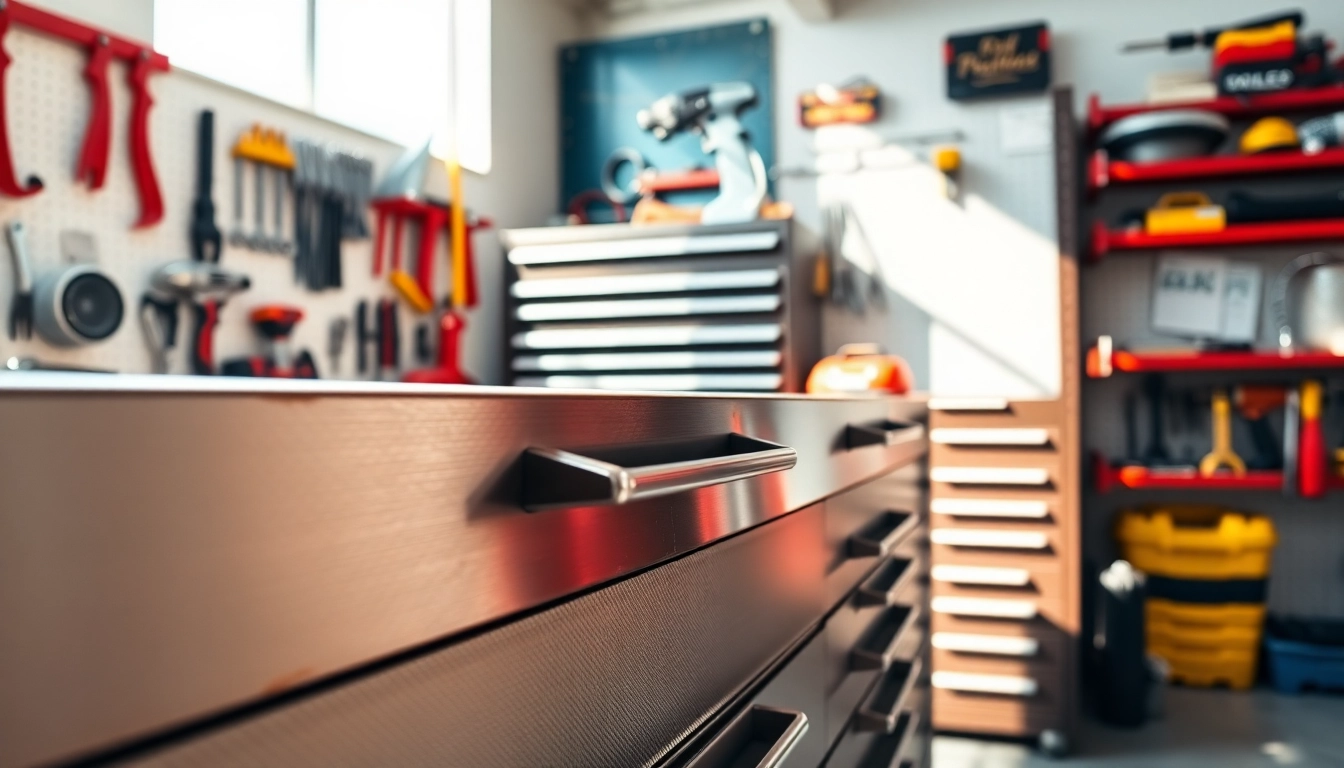
A tool cabinet manufacturer is a specialized company or entity that designs, produces, and supplies tool cabinets used to store various tools and equipment securely. These cabinets are integral to both professional workshops and personal garages, offering durability, organization, and accessibility. Manufacturers typically leverage a combination of advanced engineering, premium materials, and innovative designs to meet the diverse needs of consumers in different sectors, ranging from automotive to construction and beyond.
Key Responsibilities of Tool Cabinet Manufacturers
Tool cabinet manufacturers have several critical responsibilities that ensure the delivery of high-quality products. They are tasked with:
- Research and Development: Innovating new designs and features that improve functionality and usability.
- Material Sourcing: Selecting appropriate materials that balance weight, strength, and cost-effectiveness.
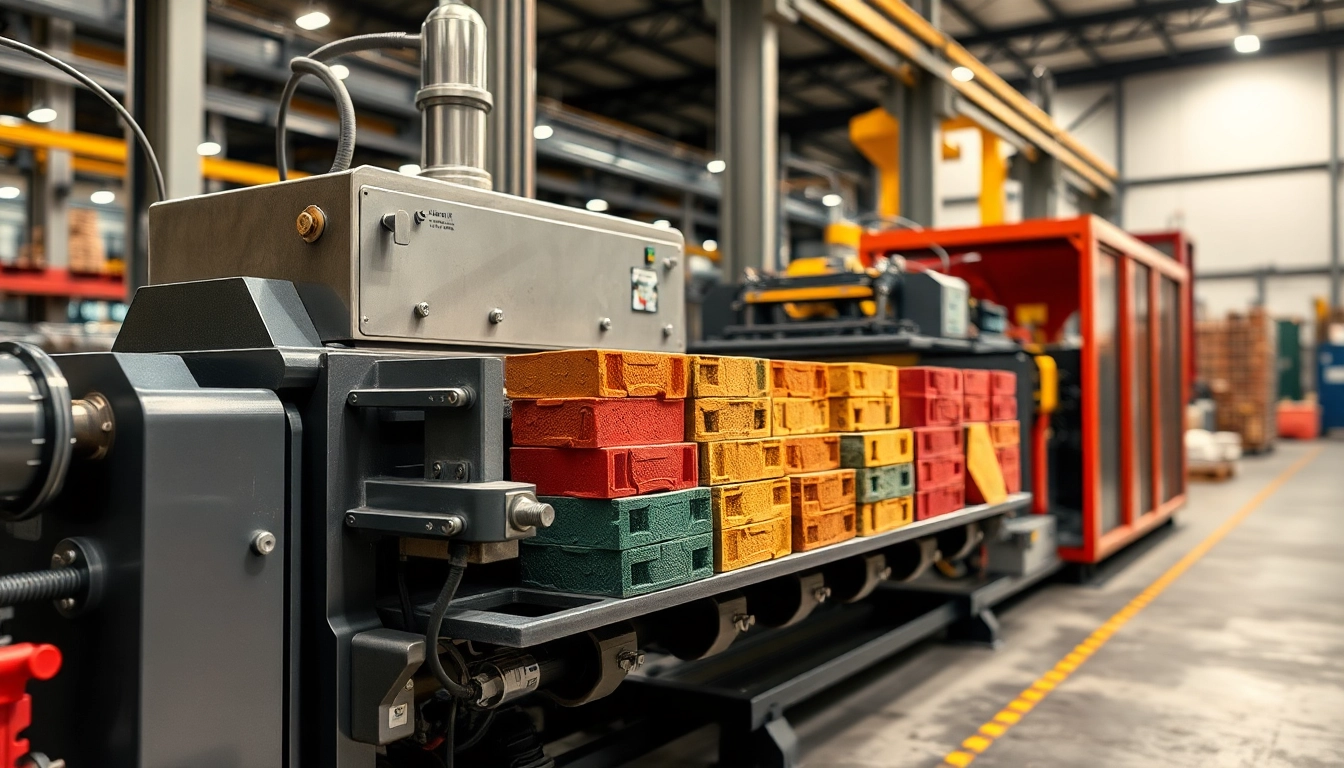
- Manufacturing: Utilizing advanced technologies such as CNC machining and powder coating to produce cabinet components efficiently.
- Quality Control: Implementing rigorous testing to ensure products meet safety and durability standards.
- Customer Support: Providing assistance through installation, customization options, and warranty services.
Why Quality Matters in Tool Cabinets
Quality is paramount in tool cabinets because they are subject to rigorous use in various environments. High-quality cabinets ensure:
- Longevity: A well-constructed tool cabinet can withstand wear and tear over years of use.
- Safety: Robust cabinets protect tools and equipment, preventing accidents caused by falling or misplaced tools.
- Efficiency: A reliable storage solution aids in streamlined workflows and organization, minimizing time spent searching for tools.
Identifying High-Quality Materials Used in Tool Cabinets
Common Materials in Tool Cabinet Construction
Tool cabinets are primarily made from a variety of materials, including:
- Steel: Known for its strength and durability, steel cabinets are resistant to impacts and heavy loads.
- Aluminum: Lightweight yet strong, aluminum cabinets are easier to move and handle.
- Plastic: Used for lightweight cabinets, they are often resistant to moisture and corrosion.
- Wood: While less common, wooden cabinets can provide an aesthetic appeal, often used in home environments.
How Material Quality Affects Longevity
The quality of materials used in tool cabinets directly impacts their durability and lifespan. High-grade steel, for instance, can handle heavy tools without compromising structural integrity. Similarly, cabinets treated for corrosion resistance in damp environments will prevent rust, significantly extending their usable life. The manufacturing processes, like powder coating for steel cabinets, also enhance protection against scratches and abrasions.
Choosing Between Metal and Plastic Tool Cabinets
When deciding between metal and plastic tool cabinets, consider the specific requirements of your workspace:
- Metal Cabinets: Ideal for heavy-duty use, offering superior stability and security. Suitable for workshop environments.
- Plastic Cabinets: Great for light-duty tasks or environments prone to moisture. Often preferred for outdoor use and easy transport.
Design Features to Look for in Tool Cabinets
Modular vs. Fixed Designs
One of the primary considerations in selecting a tool cabinet is whether to opt for modular or fixed designs:
- Modular Designs: Allow for customization and adaptability, enabling users to expand their storage as necessary. These designs can be rearranged or added onto, offering flexibility.
- Fixed Designs: Often have predetermined configurations ideal for specific tool types. They tend to offer a slightly more robust structure for heavy-duty tools.
Storage Capacity and Organization Systems
Efficient use of space is critical in a tool cabinet. Look for the following organization features:
- Shelves: Adjustable shelves can accommodate tools of various sizes.
- Drawers: Different drawer sizes allow for organized storage of small tools and accessories.
- Bins and Trays: Storing small parts in trays or bins can facilitate quick access.
Security Features Essential for Tool Cabinets
Considering the significant investment in tools, security features can help protect your assets:
- Locking Mechanisms: Cabinets with secure locks prevent unauthorized access.
- Reinforced Doors: Choose models with reinforced doors to withstand tampering.
- Security Ratings: Look for cabinets with security ratings recognized in the industry, indicating compliance with safety standards.
Performance Metrics of Tool Cabinets from Manufacturers
Evaluating Durability and Stability
When evaluating tool cabinets, assess the following performance metrics:
- Weight Capacity: A cabinet should provide clear specifications regarding its load limits.
- Stability Testing: Manufacturers often conduct stability tests to ensure cabinets remain upright and secure under weight.
Assessing Cost-effectiveness and Return on Investment
Investing in a tool cabinet should be evaluated through its cost-effectiveness:
- Comparative Analysis: Analyze the price of cabinets in relation to their features and materials.
- Long-term Use: Consider how long the cabinet will last against the initial investment.
User Reviews: What to Consider
User reviews are crucial in assessing the real-world performance of tool cabinets:
- Consistency: Look for consistently high ratings across multiple reviews to ensure reliability.
- Feedback on Features: Note specific comments on features that stand out positively or negatively.
FAQs about Tool Cabinet Manufacturers
What should I consider when selecting a tool cabinet?
Consider factors like material, size, organization features, security mechanisms, and your specific storage needs.
Are modular tool cabinets worth the investment?
Yes, modular cabinets offer flexibility and the ability to expand as storage needs evolve, making them a wise investment.
How do I maintain my tool cabinet?
Regularly clean the surfaces, ensure locks work correctly, and check for any signs of damage or wear to maintain longevity.
What are common features in high-end tool cabinets?
High-end cabinets may include heavy-duty locks, premium materials, customizable modules, and advanced organization systems.
Can I customize my tool cabinet design?
Many manufacturers offer customizable options, allowing you to choose sizes, configurations, and additional features to suit your needs.