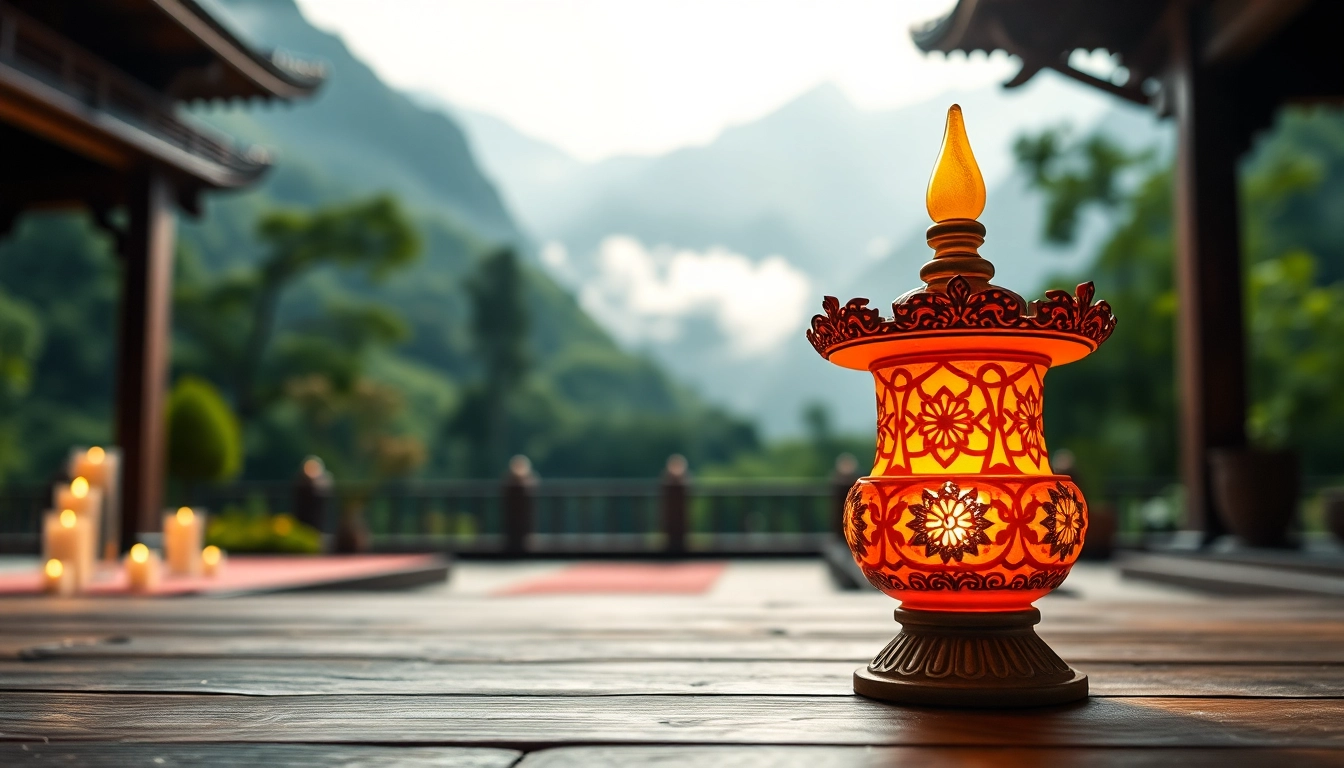
Understanding the Butter Lamp Blessing
Definition and Historical Context
The butter lamp blessing is a profound ritual in Buddhist practice, rooted in centuries of tradition. It involves lighting lamps filled with butter or oil as an act of devotion, symbolizing the illumination that comes from wisdom and enlightenment. The ritual traces its origin to the teachings of the Buddha, with its practices evolving across various cultures where Buddhism has taken root. The butter lamp offerings not only serve as physical manifestations of light but also represent the dispelling of ignorance, offering clarity and insight in spiritual growth.
Cultural Significance in Buddhism
In Buddhist culture, the butter lamp blessing holds significant spiritual weight. Across many Buddhist societies, lighting lamps symbolizes the aspiration for enlightenment, dispersing darkness and ignorance. It is customary to perform this ritual during major festivals, such as Losar (Tibetan New Year) and during religious ceremonies, where devotees gather to light numerous lamps as offerings to the Buddha and bodhisattvas. This collective act of lighting provides a sense of community and shared spiritual journey towards enlightenment, reinforcing bonds within the community.
Variations of Butter Lamp Rituals
Different schools of Buddhism feature unique interpretations and variations of the butter lamp blessing. In Tibetan Buddhism, it is common to use yak butter for maximum resonance in rituals, while in Theravada Buddhism, oil lamps are preferred. The styling and purpose of the lamps vary, too; some may be decorated intricately, while others are simpler, reflecting the unique artistic expressions of the region. In essence, regardless of style or material, the underlying intention remains — to cultivate wisdom and spread light.
The Symbolism Behind Butter Lamp Blessing
Light as a Metaphor in Buddhist Teachings
Light serves as a powerful metaphor within Buddhist philosophy, symbolizing enlightenment and the realization of truth. Just as darkness represents ignorance, the light emitted by the butter lamps acts as a tool for the practitioner’s journey towards understanding the nature of existence. The act of lighting the lamp reflects the inner transformation that occurs as one deepens their spiritual awareness and moves closer to enlightenment.
The Role of Offerings in Ceremony
Offerings made during the butter lamp blessing are profoundly significant. They are not merely physical acts; they embody the principles of generosity and altruism. Through each offering, practitioners express their intentions, whether it's to seek blessings for themselves, their loved ones, or the entire community. These offerings enhance the ritual, creating a sacred space where practitioners cultivate their spiritual aspirations while reinforcing their commitment to the Buddhist path.
Connection to Enlightenment and Spiritual Growth
The butter lamp blessing acts as a catalyst for spiritual growth. By engaging in this sacred ritual, practitioners open themselves up to the transformative power of light, fostering mindfulness and a deeper understanding of the interconnectedness of all beings. This connection helps facilitate the journey towards enlightenment, encouraging participants to cultivate compassion, love, and wisdom in every action.
Performing a Butter Lamp Blessing Ceremony
Essential Materials Needed for the Ritual
To perform a butter lamp blessing, certain materials are essential. These typically include:
- Butter or oil for filling the lamps
- Wicks made from cotton or other absorbent materials
- A stable holder for the lamp, often made of metal or clay
- A clean surface or altar for the setup
- Optional: flowers, incense, and decorative items to enhance the space
Step-by-Step Guide to Conducting the Blessing
Conducting the butter lamp blessing involves a series of mindful steps:
- Begin by preparing your space. Clean the area and set up the altar, ensuring it's a serene and sacred environment.
- Fill the lamp holders with butter or oil, placing the wicks into the melted fat, ensuring they are secure.
- Gather your thoughts and intentions for the ritual. Calm your mind through deep breathing.
- Light the wicks, allowing the flames to dance as you envision the light symbolizing enlightenment.
- Recite prayers or mantras to accompany the ritual, focusing your thoughts on the intentions behind the offerings.
- Conclude the ceremony with gratitude, dedicating the merit of the ritual to all sentient beings.
Recommended Prayers and Mantras to Accompany the Ceremony
Many practitioners find it beneficial to recite specific prayers or mantras during the butter lamp blessing. Commonly recited texts include:
- The Heart Sutra, which encapsulates key Buddhist teachings on emptiness and perception.
- Mantras such as “Om Mani Padme Hum,” symbolizing compassion and the aspiration for enlightenment.
- Personal prayers reflecting the practitioner's intentions, whether for health, peace, or the well-being of others.
Benefits of the Butter Lamp Blessing
Spiritual Benefits for the Practitioner
The spiritual benefits of the butter lamp blessing are profound. Participants often report a heightened sense of peace, clarity, and connection to their spiritual path. Engaging in this ritual serves to strengthen resolve and commitment to personal growth and enlightenment. Additionally, the act of making offerings fosters a spirit of generosity and selflessness, key components on the journey towards awakening.
Positive Influence on Community and Environment
Butter lamp blessings can create ripples of positivity, extending benefits beyond the individual to the community. When performed collectively, these rituals foster unity and promote a shared vision of kindness and compassion. Such gatherings often bring people together, reinforcing community ties and encouraging collective mindfulness. Additionally, the ritualistic offering can evoke a sense of respect for the environment and encourage individuals to act towards its preservation.
Mental and Emotional Well-being Outcomes
Practitioners of the butter lamp blessing frequently experience enhanced mental and emotional well-being. Lighting lamps and engaging in focused meditation helps reduce stress and anxiety levels. The ritual promotes mindfulness, allowing individuals to retreat momentarily from the chaos of daily life and connect with their inner selves. Studies suggest that such spiritual practices contribute to improved mood, emotional regulation, and overall psychological health.
Enhancing Your Experience with Butter Lamp Blessing
Personalizing Your Rituals and Offerings
To deepen the significance of your butter lamp blessing, consider personalizing the rituals and offerings. This could involve selecting specific intentions that resonate with your current life circumstances or adding decorative elements that hold personal meaning. You can incorporate different flowers, symbols, or colors that represent your aspirations or the qualities you wish to cultivate. By infusing personal meaning into the ritual, participants may find a stronger connection to their spiritual journey.
Integrating Butter Lamp Blessing into Daily Practices
For those looking to incorporate the butter lamp blessing into daily life, consider establishing a routine that integrates this ritual. It could be as simple as lighting a lamp daily while reciting a short mantra or dedicating a specific evening each week to engage more deeply in the ceremony. This integration allows practitioners to maintain a connection to their faith and intentions, regardless of the busyness of life, providing a consistent reminder to spark inner light and wisdom.
Sharing the Tradition with Others
One of the most fulfilling aspects of the butter lamp blessing is the ability to share the tradition with others. Consider inviting friends and family to participate in a group ceremony or sharing the teachings and significance behind the ritual. Engaging others can cultivate a deeper understanding and appreciation of the practice, strengthening communal ties and spreading the blessings further. Workshops can also be organized where participants can learn about the ritual, explore the symbolism, and experience the blessing together.
In conclusion, the butter lamp blessing represents much more than a ritual act; it captures the essence of Buddhist philosophy and practice. As practitioners light their lamps, they engage with a timeless tradition rich with meaning that transcends cultural boundaries.