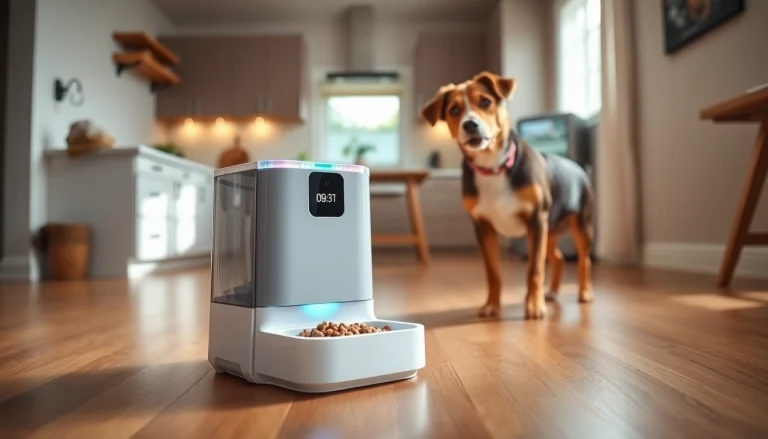
Understanding Automatic Cat Feeders
As pet owners look for more convenient ways to care for their furry friends, automatic cat feeders have surged in popularity. These devices allow for scheduled feeding times, portion control, and peace of mind for pet parents who lead busy lives. In this article, we'll explore what an automatic cat feeder is, the benefits of using one, and essential features to consider when choosing the best feeder for your feline friend.
What is an Automatic Cat Feeder?
An automatic cat feeder is a device designed to dispense cat food at predetermined times and portions, eliminating the need for manual feeding. Most models consist of a storage bin for food, a feeding mechanism, and a programmable timer that allows cat owners to set the frequency and amount of food dispensed. Some advanced models even include features such as sensors to monitor food levels, built-in cameras, and mobile applications for remote feeding management.
Benefits of Using an Automatic Cat Feeder
Investing in an automatic cat feeder brings numerous advantages:
- Convenience: Pet owners can simplify their daily routines, especially during busy days when they may forget to feed their cat.
- Portion Control: Many feeders allow you to set exact portions, contributing to better weight management and preventing overeating.
- Scheduled Feedings: Regular feeding times can help establish a consistent routine for your cat, which can lead to improved digestion and overall health.
- Peace of Mind: With the ability to schedule feeds, owners can enjoy trips and time away from home without worrying about their pet's meals.
- Monitoring: Some smart feeders allow you to monitor your cat’s eating habits through mobile apps, making it easier to keep track of their health.
Key Features to Consider
When selecting an automatic cat feeder, consider these key features:
- Capacity: Look for a model that holds enough food for your cat’s needs; a larger capacity may be necessary for multiple cats.
- Programmability: Ensure it has an easy-to-use timer for setting feeding schedules and portions.
- Power Source: Some feeders are battery-operated while others are plug-in; consider which is more convenient for your situation.
- Cleaning: Look for feeders with removable parts for simple cleaning and maintenance.
- Smart Features: Consider models with app integration, cameras, and other technology that may enhance usability.
Types of Automatic Cat Feeders
Automatic cat feeders come in various types, each with its unique features and advantages. Understanding these types will help pet owners make informed choices regarding their pet's feeding habits.
Gravity Feeders
Gravity feeders work by utilizing gravity to dispense food as the cat eats. These feeders are simple and often less expensive than other types. The main downside is that they don’t allow for portion control, which can lead to overeating, especially in food-motivated cats.
Timed Feeders
Timed feeders can be programmed to dispense food at specific times. They typically have a storage compartment that holds a certain amount of food. This type aids in maintaining a regular feeding schedule, helping to prevent obesity and digestive issues caused by free feeding.
Smart Feeders with App Integration
Smart feeders take automatic feeding to the next level. They can be controlled via smartphone apps, allowing owners to adjust feeding times, portions, and monitor eating behavior from anywhere. Many smart feeders also include cameras to view feeding sessions and ensure your cat is eating properly.
How to Choose the Right Automatic Cat Feeder
With various options available, choosing the right automatic cat feeder requires careful consideration of your cat's needs, your lifestyle, and the specific features of each model.
Consider Your Cat's Eating Habits
Understanding your cat's eating behaviors is crucial. If your cat tends to graze throughout the day, a feeder that dispenses small portions multiple times may be ideal. On the other hand, if your cat eats quickly, a timed feeder may suit better to regulate their intake.
Evaluate the Size and Capacity
Assess the size of the feeder based on your living space and your cat's food requirements. If you have multiple cats, choose a feeder with larger food storage to accommodate their needs. Check if the feeder’s design allows for easy refilling and cleaning.
Assess the Ease of Cleaning and Maintenance
Cleaning an automatic feeder is necessary to ensure that your cat remains healthy. Opt for models with removable and dishwasher-safe parts for easy maintenance. Regular cleaning will help prevent mold, bacteria growth, and unpleasant odors.
Common Challenges and Solutions
Despite their conveniences, automatic cat feeders can pose challenges. Here we discuss some common issues and their solutions.
Dealing with Feeding Malfunctions
Malfunctions in automatic feeders can cause missed meals or dispensal issues. To mitigate this:
- Choose Reliable Brands: Research brands with positive reviews regarding reliability and customer service.
- Regular Maintenance: Ensure the feeder is clean and functioning as intended, checking batteries or power sources as needed.
- Manual Backup: Always have a backup feeding method or extra set of batteries on hand for emergencies.
Addressing Dietary Preferences
Some cats are particular about their food. To address this:
- Experiment with Food Types: Test different food brands or flavors before loading the feeder.
- Gradual Introductions: Slowly introduce your cat to the feeder to avoid resistance. Allow them to explore and get accustomed to finding their meals.
Managing Multiple Cats
Feeding multiple cats can be challenging, but the right feeder can make it easier:
- Individual Feeders: Consider separate feeders for each cat to avoid food disputes, especially in multi-cat households.
- Microchip Feeders: Certain smart feeders will only open for a specific cat based on their microchip or collar tag, ensuring that each pet receives their designated food.
Setting Up and Using Your Automatic Cat Feeder
After selecting the right automatic cat feeder, setting it up correctly is vital for smooth operation. Here’s a step-by-step guide.
Installation and Initial Setup
Follow the manufacturer’s instructions for installation. Most feeders require minimal setup, like assembling the food bowl and connecting any electronic components. Ensure the feeder is located in a quiet, accessible area for your cat.
Programming Meal Times and Portions
Use the feeder’s control panel or app to program meal times and portions. Start with smaller portions and adjust based on your cat’s needs and preferences. Monitor how your cat responds to the feeding schedule and adjust accordingly.
Monitoring Your Cat's Feeding Behavior
Keep track of your cat’s eating habits and weight to ensure they are eating appropriately. With smart feeders, utilize the app’s records to understand their patterns and make adjustments to their schedules or portions as needed. Regular veterinary check-ins will help ensure their health and nutritional needs are met.
In conclusion, automatic cat feeders are an excellent solution for pet owners looking to simplify their lives while providing their cats with the nutrition they need. By understanding the various types and selecting a feeder that matches your lifestyle and your cat's eating habits, you can enhance your pet's feeding routine for the better. Happy feeding!