Understanding Metal Stamping Dies
Definition and Purpose of Metal Stamping Dies
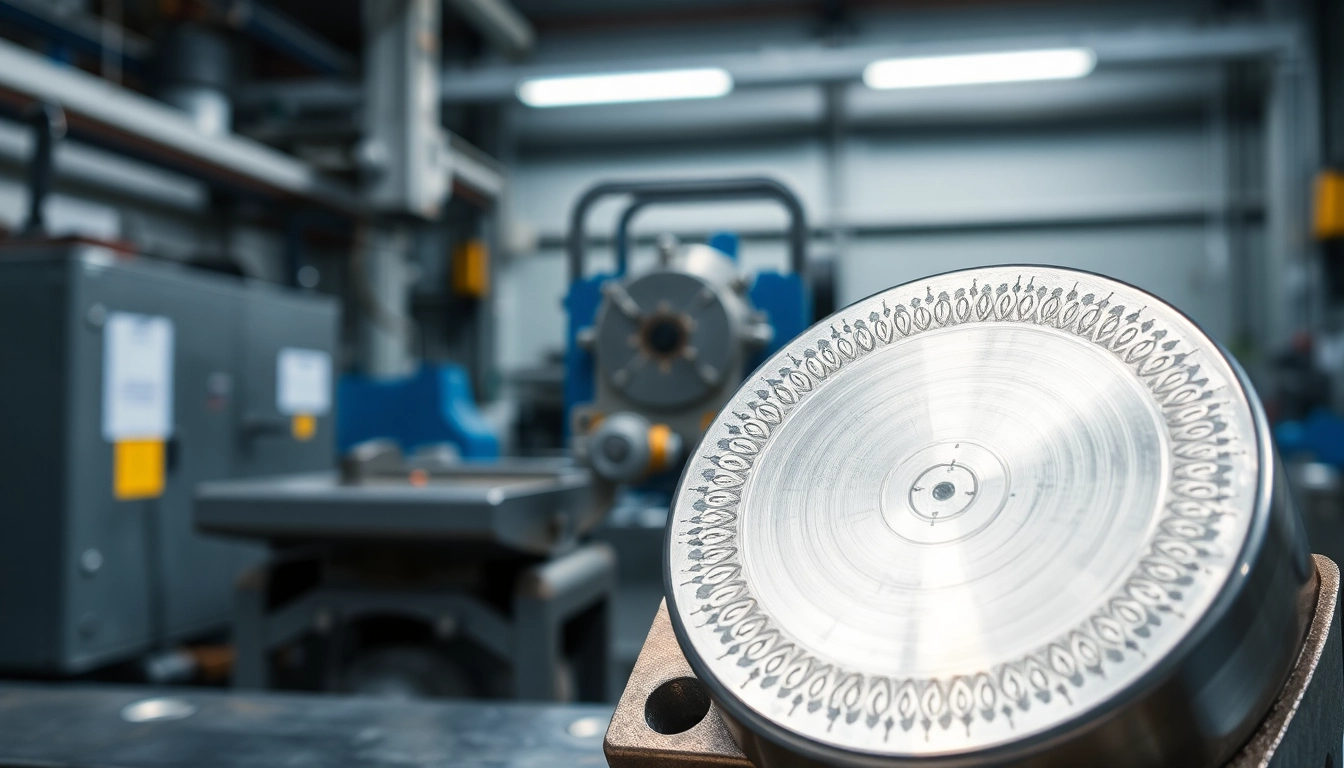
Metal stamping dies are specialized tools used in manufacturing processes to shape and cut metal sheets into desired forms. Essential in mass production, these dies enable manufacturers to produce high volumes of consistent parts efficiently. The primary purpose of metal stamping dies is to transform raw metal into complex geometries that meet precise specifications, thus playing a crucial role in the fabrication industry. For example, in automotive manufacturing, metal stamping dies are vital for creating components like brackets, supports, and body panels.
Types of Metal Stamping Dies
Metal stamping dies can be classified into several categories based on their design and function. Understanding these types is crucial for selecting the right die for a particular application:
- Progressive Dies: These are highly efficient, allowing multiple operations in a single pass. The metal sheet progresses through several stations, where different operations such as cutting, bending, and forming are performed consecutively.
- Compound Dies: Used for processes that require multiple operations simultaneously, compound dies cut and shape materials in a single movement. They are ideal for simpler shapes that don’t require subsequent operations.
- Single-Operation Dies: These dies are designed to perform one function, such as cutting or bending. While less complex than progressive dies, they are perfect for low-volume production where specific operations are needed.
- Forming Dies: These are used to create specific shapes or contours in metal parts. They are essential in industries requiring detailed profiling like electronics and automotive components.
Common Applications in Various Industries
Metal stamping dies are utilized in various industries, reflecting their diverse applications:
- Automotive: In automotive manufacturing, metal stamping dies are utilized to create parts such as chassis components, trays, and brackets, all of which require high precision and strength.
- Aerospace: The aerospace sector relies on stamping dies to produce lightweight yet sturdy components that meet stringent safety standards and regulations.
- Electronics: In electronics, metal stamping dies help shape intricate parts for devices, connectors, and enclosures, vital in ensuring product functionality.
- Appliances: Home appliances often incorporate stamped metal parts that benefit from high-volume production capabilities, thereby reducing costs and lead times.
Choosing the Right Metal Stamping Die
Factors to Consider When Selecting Dies
Selecting the right metal stamping die involves evaluating several factors, including:
- Material Type: The material being stamped plays a significant role in die selection. Different metals (steel, aluminum, copper) require specific die designs and materials for optimal results.
- Complexity of Design: The intricacy of the parts to be produced will dictate whether a single, compound, or progressive die is more appropriate.
- Production Volume: High-volume production often favors progressive dies, while lower volumes may be more suited to simpler, less costly dies.
- Cost Considerations: Budget constraints can influence die material and complexity; manufacturers must balance quality with cost-effectiveness.
Casting vs. Stamping: Which to Choose?
When selecting between casting and stamping for part production, manufacturers must consider several differentiators. Stamping is generally faster and more efficient for high-volume production, producing parts with better surface finishes. Additionally, stamping produces less waste and can work with a variety of metal types and thicknesses. On the other hand, casting may be more suitable for producing intricate shapes or for materials that are not easy to stamp. Metal Stamping Dies often provide better dimensional accuracy and tighter tolerances compared to cast parts.
Evaluating Metal Stamping Die Providers
The selection of a die provider is another critical factor. Potential customers should evaluate providers based on:
- Experience: Look for providers with a proven track record in the specific application and industry.
- Quality Assurance Processes: Ensure the provider has robust quality control measures in place to guarantee the dies meet exacting specifications.
- Customization Options: Check if the provider offers custom solutions tailored to specific production needs, which can enhance product quality.
- Support and Service: Reliable support, including maintenance and troubleshooting, can significantly impact ongoing production efficiency.
Advantages of Custom Metal Stamping Dies
Benefits of Tailored Solutions
Custom metal stamping dies provide unique advantages over standard dies. Tailored solutions are designed specifically to meet the needs of individual projects, allowing for increased efficiency and improved quality. By working closely with engineers and designers, manufacturers can optimize die designs to minimize cycle time, reduce waste, and ultimately enhance production capabilities.
Cost-Effectiveness in Production
Although the initial investment for custom dies may be higher than off-the-shelf options, the long-term cost savings can be significant. Customized dies can streamline production processes, reduce scrap rates, and improve parts interchangeability. Consequently, businesses can realize lower operational costs with greater output consistency and quality.
Enhancing Product Quality with Custom Dies
Custom stamping dies can significantly enhance product quality. Specific features can be integrated into die designs, catering to the functional requirements of the final product. This level of customization ensures that the parts produced meet stringent tolerances and quality standards, resulting in products that perform better in their applications. For instance, tighter tolerances in automotive parts may improve safety and longevity, thus enhancing consumer satisfaction.
Best Practices for Maintaining Metal Stamping Dies
Regular Inspection and Maintenance Protocols
Routine maintenance is crucial in extending the lifespan of metal stamping dies. Implementing a schedule for regular inspections allows manufacturers to catch wear or damage before it leads to production issues. Checks should focus on:
- Visual Inspection: Regularly look for signs of wear, rust, or corrosion.
- Lubrication: Proper lubrication of moving parts helps reduce friction and wear, ensuring smooth operation.
- Calibration: Routine calibration of dies to maintain precision and ensure quality output.
Common Problems and Solutions
Over time, several common issues may arise with metal stamping dies. Here are some problems and recommended solutions:
- Wear and Tear: Frequent use can lead to diminished performance. Regular maintenance and timely replacement of worn components can mitigate this issue.
- Alignment Issues: Misalignment can lead to production errors. Routine checks and adjustments are essential to maintain proper alignment.
- Surface Damage: Dents and scratches can compromise part quality. Employing protective measures and adopting careful handling during setup can prevent damage.
Tools and Products for Effective Care
Several tools and products are vital in maintaining metal stamping dies:
- Cleaning Solutions: Specific cleaning agents designed for metal can effectively remove residues and contaminants.
- Lubricants: Quality lubricants reduce friction and wear on die surfaces, ensuring longevity and smooth operation.
- Inspection Tools: Digital calipers, micrometers, and other precision measuring instruments are essential for accurate checks.
The Future of Metal Stamping Technology
Emerging Trends in Die Manufacturing
The metal stamping industry is continually evolving, with new technologies and methodologies enhancing die manufacturing capabilities. Some trends to watch include:
- Additive Manufacturing: The integration of 3D printing technology in die manufacturing allows for rapid prototyping and complex geometries that were previously impossible.
- Advanced Materials: New materials for die construction, such as high-strength alloys and specialized coatings, can improve durability and reduce wear.
- Smart Technologies: The incorporation of AI and IoT sensors can help monitor die performance in real-time, providing analytics for predictive maintenance.
Integration of Automation in Metal Stamping
Automation technology is increasingly becoming a cornerstone in metal stamping processes. Automated systems enhance efficiency, reduce cycle times, and minimize human error. Robotic arms can handle material loading and unloading, while automated quality inspection systems ensure consistent product quality. As automation technology advances, we can expect to see even greater efficiencies and reduced costs in metal stamping operations.
Environmental Considerations and Innovations
With growing environmental concerns, the metal stamping industry faces pressure to adopt more sustainable practices. This includes innovations that reduce waste generation, recycle metal scrap, and utilize eco-friendly lubricants. Efforts are underway to develop dies with longer lifespans and improved energy efficiency during production, further positioning the industry to meet future ecological standards.