Understanding Attics and Their Potential
Definition and Importance of Attics
Attics are often overlooked spaces within a home but offer significant potential for both functional and creative uses. Typically situated just below the roof, attics serve as structural components, aiding in the distribution of weight and insulation. Their hidden nature often leads to underutilization, yet, when properly assessed, they can transform into valuable extensions of living space, reflecting the unique needs and creativity of homeowners. Exploring the potential of your attics can significantly enhance your home's usability and aesthetic appeal.
Common Uses for Attics
Attics can serve a variety of functions, including:
- Storage Space: The most common use for attics, allowing for the organization of seasonal items, documents, and memorabilia.
- Additional Living Area: With the right design, attics can become cozy bedrooms, offices, or playrooms.
- Creative Spaces: Artists and hobbyists can establish studios or craft areas in an attic, offering a peaceful retreat.
- Home Gyms: Repurposing an attic for fitness activities can provide a private and motivating environment.
- Rental Units: For those in need of extra income, converting an attic into a small apartment could offer useful financial support.
Assessing Your Attic Space
Before embarking on any transformation project, it is essential to assess your attic's current state. Check for:
- Height: Ensure there’s adequate headroom for your intended use.
- Ventilation: Look for existing vents and consider adding more if necessary to avoid moisture buildup.
- Insulation: Evaluate the existing insulation for energy efficiency considerations.
- Access: Determine how you will access the space—consider installing a staircase if necessary.
Designing Functional Attics
Space Optimization Strategies
To create a functional living area in your attic, optimizing the available space is paramount. Consider the following strategies:
- Built-in Storage: Incorporate shelves and cabinetry that fit the sloped ceilings of an attic.
- Multi-functional Furniture: Choose furniture that offers storage solutions, such as ottomans with compartments or beds with drawers.
- Open Layout: Avoid overcrowding the space with furniture; instead, create open areas that promote flow.
- Use Vertical Space: Install wall-mounted shelves up to the ceiling to maximize storage effectively.
Incorporating Windows for Natural Light
Natural light enhances the ambiance of any space, especially in attics that can feel dark and cramped. Consider these solutions for effectively incorporating light:
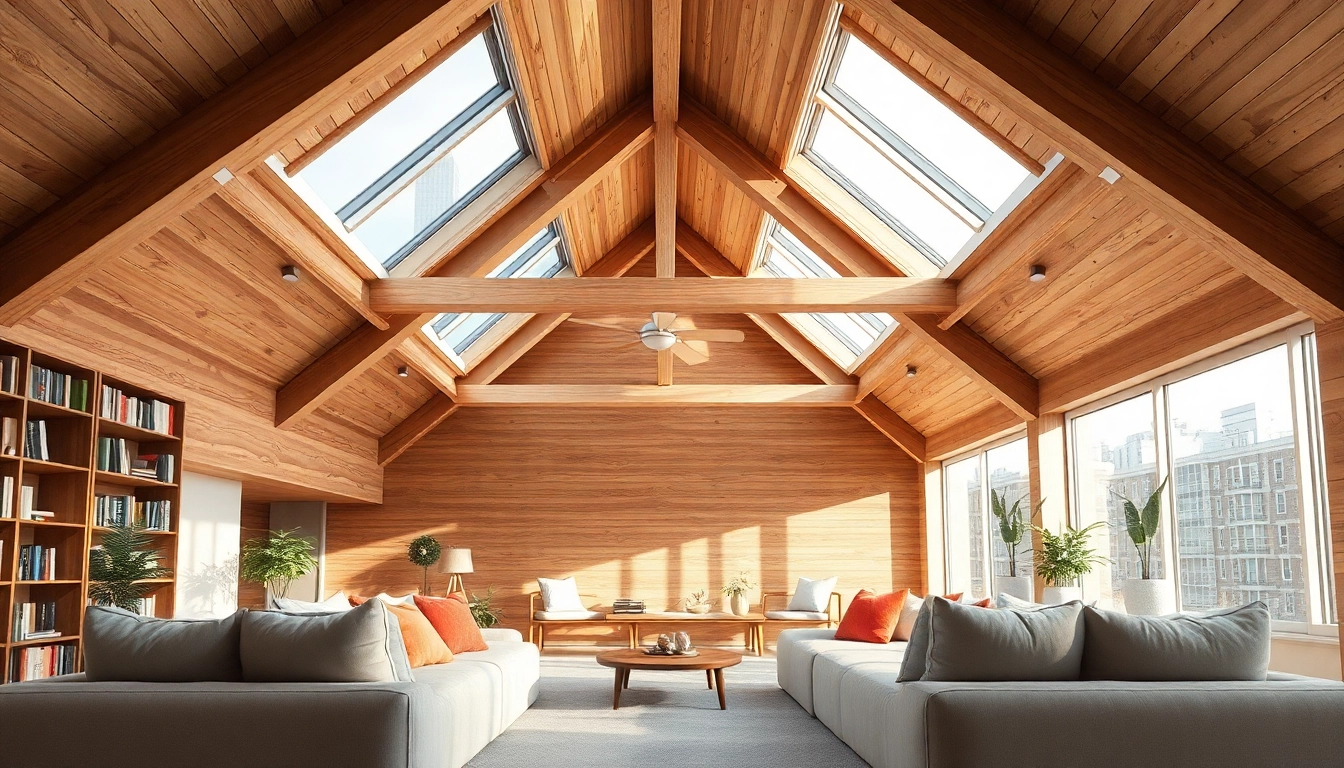
- Skylights: These can bring light directly into the center of the space and introduce ventilation options.
- Dormer Windows: Adding these can expand the usable floor space as well as invite more light.
- Strategic Placement: Position windows to maximize sunlight exposure throughout the day.
Choosing the Right Materials
Selecting appropriate materials plays a crucial role in the success of your attic transformation. Consider the following:
- Insulation Materials: Fiberglass, spray foam, or cellulose are great options that provide energy efficiency.
- Flooring: Durable, yet lightweight materials such as engineered hardwood or laminate can enhance aesthetics and functionality.
- Wall Treatments: Depending on personal style, consider using shiplap, drywall, or wallpaper for added character.
- Lighting Fixtures: Ensure they are designed for low ceilings and create ambient, task, or accent lighting as needed.
Creating a Cozy Ambiance in Attics
Color Schemes for Comfort
The colors chosen for your attic can greatly influence its comfort level. Lighter colors can make a small space feel airy while warmer hues can create a cozy retreat. Here are tips to select color schemes:
- Pale Tones: Shades of soft whites, pastels, or light grays can enhance the feeling of openness.
- Accent Walls: Consider deeper colors for one wall to create a focal point and depth.
- Natural Elements: Incorporate earthy tones like greens and browns for a serene atmosphere.
Furniture Selection Tips
When furnishing an attic, it’s important to select pieces that complement its unique shape and size. Here are key considerations:
- Scale Matters: Opt for smaller, more compact furniture to prevent overwhelming the space.
- Comfort First: Choose ergonomic chairs and sofas that invite relaxation and leisure.
- Creative Arrangements: Position furniture to create intimate conversation areas or cozy reading nooks.
Lighting Options for Warmth
Effective lighting can greatly enhance the atmosphere of your attic. Consider a mix of lighting types for the best effect:
- Recessed Lighting: Ideal for low ceilings while providing subtle illumination.
- Table and Floor Lamps: Add warmth and comfort with stylish fixtures that can be moved around.
- Dimmer Switches: Install these to adjust the lighting to suit different activities, enhancing versatility.
Storage Solutions for Attics
Organizational Strategies
Maximizing storage in your attic requires thoughtful planning. Here are some organizational strategies:
- Zoning: Divide the space into specific zones for different purposes, such as storage, hobbies, or relaxation.
- Labeling Systems: Clear labels on storage bins make it easy to identify contents and maintain organization.
- Seasonal Rotation: Regularly rotate items based on the season, keeping the most-used items easily accessible.
Smart Storage Ideas
Implementing clever storage solutions can help you maximize what your attic has to offer:
- Under Furniture Storage: Utilize the areas beneath beds or sofas with rolling storage boxes.
- Against the Wall Shelves: Installing shelves along the walls can help keep the floor clear as well.
- Use of Baskets: Incorporate decorative baskets for quick access to linens, toys, or craft items.
Using Built-Ins Effectively
Built-in storage is an excellent way to utilize the natural contours of an attic while maintaining a sleek, custom look:
- Bookcases: Integrated shelving units can fill awkward spots and provide plenty of storage.
- Bench Seats: Built-in benches can include storage under cushions, offering dual functionality.
- Cubbies: These can be added at various heights for children to easily access their belongings.
Maintenance and Upkeep of Attics
Regular Inspections and Repairs
Keeping your attic in good condition requires regular care. Follow this maintenance checklist:
- Inspect for Leaks: Check for signs of water damage or leaks from the roof or plumbing.
- Check Insulation: Ensure insulation is intact and effective in regulating temperature.
- Look for Pests: Be vigilant in spotting pests that may inhabit the attic, such as rodents or insects.
Weatherproofing Your Attic
To ensure the longevity of an attic space, weatherproofing is essential. Consider the following methods:
- Seal Gaps: Ensure that gaps in insulation and around windows are sealed to prevent drafts.
- Upgrade Windows: Use triple-pane windows for enhanced insulation and energy efficiency.
- Roof Underlayment: Installing an underlayment can provide an additional barrier against moisture.
Seasonal Cleaning and Organizing Tips
To maintain a tidy attic, implement seasonal cleaning routines:
- Spring Cleaning: Dedicate a day to reorganize and dispose of things that are no longer needed.
- Inspect Roof and Vents: Once a year, check that your roof is intact and vents are free of debris.
- Rotate Seasonal Items: Store holiday decorations at the back and keep off-season clothing easily accessible.
FAQs
What can I use my attic for?
Attics can serve various purposes, including storage, living spaces, home offices, or play areas for children.
How can I improve the insulation in my attic?
Improving insulation can be achieved by using fiberglass batts, spray foam, or cellulose to ensure proper energy efficiency.
Are attics suitable for full-time living?
Yes, attics can be designed for full living space, but proper ventilation and lighting are crucial for safety and comfort.
What are the challenges of converting an attic?
Common challenges include low ceilings, poor access, and ensuring adequate insulation and ventilation throughout the space.
How do I maintain my attic?
Regular inspections for leaks, checking insulation, and seasonal cleaning are essential to keep your attic in good condition.