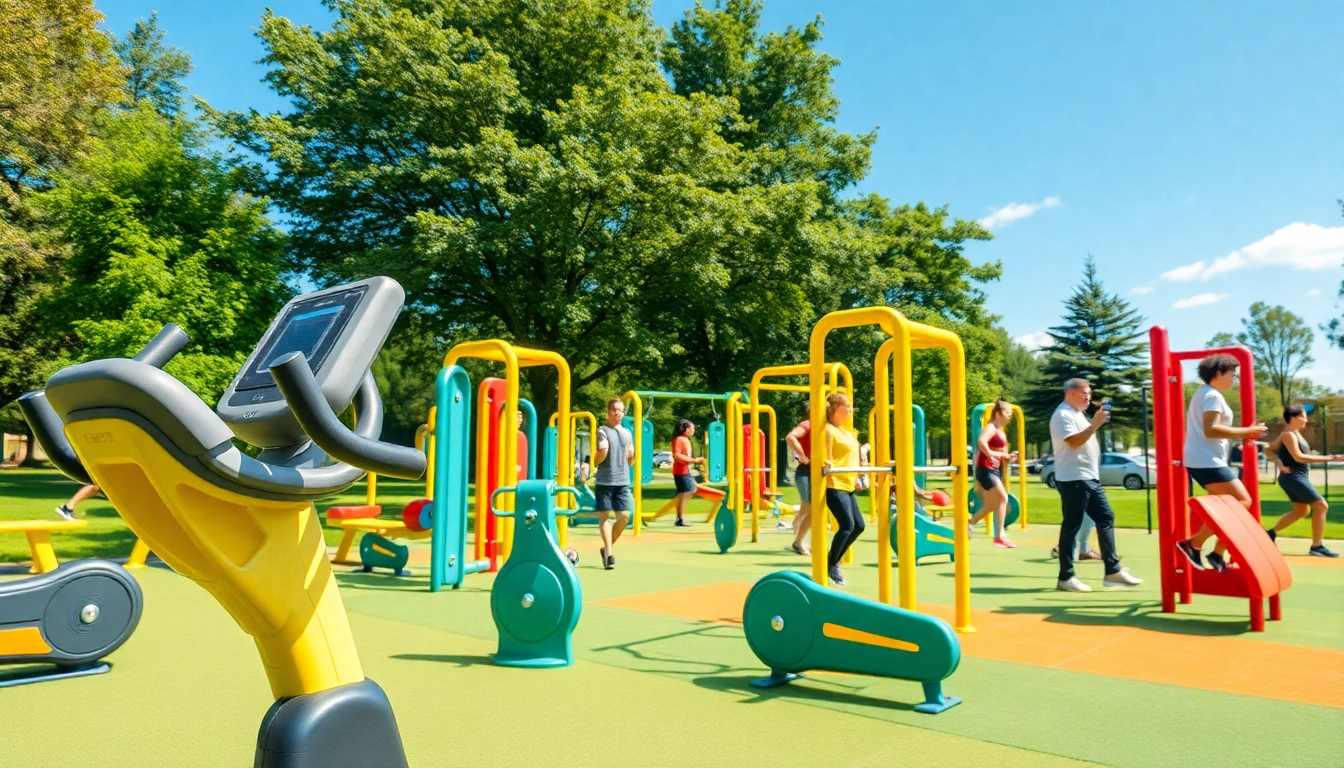
Understanding Outdoor Gym Equipment
What is Outdoor Gym Equipment?
Outdoor Gym Equipment refers to a variety of exercise machines and apparatuses designed for physical activity in open-air environments. These installations can be found in parks, recreational facilities, and private backyards. Unlike traditional indoor gym equipment, outdoor gym machines are engineered to withstand various weather conditions such as rain, sun, and snow. They are typically constructed with durable materials, ensuring their longevity and efficacy for physical fitness. By using Outdoor Gym Equipment, users can engage in various workouts that promote strength, endurance, flexibility, and overall well-being
Benefits of Using Outdoor Gym Equipment
The benefits of using outdoor gym equipment are extensive:
- Accessibility: Outdoor gym equipment is usually free to use and available to the public, providing everyone with the opportunity to exercise.
- Social Interaction: These spaces foster community engagement, allowing individuals to interact and motivate one another while they exercise.
- Connection to Nature: Exercising outdoors can enhance mental well-being, reduce stress levels, and improve mood due to exposure to sunlight and fresh air.
- Diverse Workout Options: Outdoor setups often include equipment that targets various fitness levels, making them suitable for beginners to advanced athletes.
- Cost-Effective:: Many outdoor facilities offer their equipment without charge, eliminating the expenses associated with a gym membership.
Types of Outdoor Gym Equipment
Outdoor gym equipment comes in various types, each serving different fitness needs and preferences:
- Cardio Machines: Equipment such as stationary bikes, elliptical trainers, and rowing machines that focus on improving cardiovascular health.
- Strength Training Equipment: Machines like pull-up bars, dip stations, and multi-gyms designed to enhance muscle strength and endurance.
- Balance and Flexibility Tools: Equipment like balance beams, stretching frames, and agility ladders that assist with flexibility and coordination exercises.
- Bodyweight Stations: Structures where users can perform exercises such as push-ups, sit-ups, and squats, primarily utilizing their body weight for resistance.
- Team Sports Installations: Areas that include functional equipment for group workouts or specific sports training camps.
Selecting the Right Outdoor Gym Equipment
Factors to Consider When Choosing Equipment
Choosing the right outdoor gym equipment can significantly affect your workout experience. Here are several factors to consider:
- Space Availability: Assess the area where you plan to install the equipment to ensure it fits comfortably without obstructing pathways.
- Audience Needs: Determine the target demographic (age, fitness level) to provide appropriate equipment that caters to their specific requirements.
- Durability: Select materials that can withstand outdoor conditions, such as UV rays, moisture, and extreme temperatures.
- Maintenance: Consider the level of upkeep required for the equipment to ensure safety and functionality over time.
Essential Equipment for Various Fitness Levels
When selecting outdoor gym equipment, ensure there are options for different fitness levels:
- Beginners: Start with simpler, bodyweight-based equipment such as resistance bands, balance beams, or simple benches.
- Intermediate Users: Provide equipment like pull-up bars or light weights that allow for progressive resistance.
- Advanced Options: Include multi-gyms or cables that promote complex movements and high-intensity training.
Durability and Weather Resistance in Equipment
Opt for outdoor gym equipment constructed with weather-resistant materials such as:
- Galvanized Steel: This prevents rusting and prolongs the life of the equipment.
- Powder-Coated Finishes: Protects against chipping and scratching, preserving aesthetic appeal and functionality.
- UV-Resistant Plastics: Used for any plastic components to minimize fading and wear due to sun exposure.
Setting Up an Outdoor Gym
Choosing the Ideal Location
The location of your outdoor gym is paramount for maximizing usage and engagement. Some ideal points to consider include:
- Visibility: Select a location that is in a well-lit, open area where potential users can easily see and access the equipment.
- Accessibility: Ensure the area is easily accessible, with adequate pathways, parking, and transportation options.
- Proximity to Amenities: Availability of changing rooms, restrooms, and hydration stations can enhance the overall user experience.
Layout Ideas for Outdoor Gym Equipment
Creating a functional layout is essential for fostering an enjoyable exercise environment. Consider these layout ideas:
- Zones: Create designated areas for cardio, strength training, and stretching to signal different workout focuses.
- Flow: Arrange equipment in a logical order that facilitates ease of movement between exercises and minimizes congestion.
- Comfortable Spacing: Ensure that there is enough space between equipment for safety and comfort while allowing social interaction.
Compliance with Safety Standards
Adhering to safety standards is crucial to ensure the well-being of users. Here are key points to consider:
- Age Appropriateness: Ensure the equipment is suitable for all age groups to promote inclusivity.
- Safety Mats: Use surfaces such as grass, rubberized flooring, or other impact-absorbing materials around each piece of equipment to reduce injury risks.
- Regular Inspections: Schedule routine assessments to check equipment stability, maintenance needs, and user's safety.
Maintaining Outdoor Gym Equipment
Regular Maintenance Practices
Regular maintenance is vital to retain the functionality of outdoor gym equipment. Follow these maintenance practices:
- Cleansing: Regular cleaning of equipment helps remove dirt, debris, and moisture, which can lead to deterioration.
- Lubrication: Periodically oil moving parts to prevent friction and wear.
- Inspection: Conduct frequent checks to ensure that all components are in working order and safely secured.
Weather Protection Tips
To enhance the durability of outdoor gym equipment, consider the following weather protection tips:
- Coverings: Use protective covers during inclement weather to shield the equipment from rain or snow.
- Seasonal Adjustments: Implement preventive measures, such as storing certain types of equipment indoors during harsh winter months.
- Routine Treatments: Apply rust-proof paint or sealants that provide an additional barrier against external elements.
Inspection and Repair of Equipment
Inspecting and repairing outdoor gym equipment is crucial for user safety and equipment longevity:
- Scheduled Inspections: Set a timeline for comprehensive evaluations to identify wear-and-tear early.
- Immediate Repairs: Address any issues like loose bolts, cracks, or rust without delay to ensure a safe environment for users.
- Monitoring Usage: Keep track of how often and how equipment is being used; this may indicate where repairs or replacements may be necessary.
Maximizing Community Engagement
Creating Community Fitness Programs
To promote outdoor gym usage, developing engaging community fitness programs is essential:
- Group Classes: Organize regularly scheduled classes that cater to all fitness levels, encouraging participation and fostering a sense of community.
- Accessible Scheduling: Consider class times that accommodate various schedules to attract more participants.
- Incentives: Provide incentives such as rewards or recognition for participation, motivating users to engage more deeply.
Promoting Outdoor Fitness Events
Community fitness events can drive engagement with outdoor gym facilities. Consider the following tactics:
- Open Houses: Host events where community members can explore equipment and ask questions or try out different machines.
- Challenges: Organize fitness challenges that encourage friendly competition, such as "most push-ups in 30 seconds" or group races.
- Collaborations: Partner with local health organizations, schools, or fitness influencers to help promote events and attract larger crowds.
Gathering Feedback from Users
Collecting feedback is vital to understanding user satisfaction and areas for improvement:
- Surveys: Distribute surveys to users after their workout sessions to gather insights on their experiences.
- Suggestion Boards: Create dedicated spaces for users to submit suggestions or mark issues with the equipment.
- Engagement Apps: Utilize mobile apps that allow users to provide instant feedback and receive notifications about events or changes.
FAQs about Outdoor Gym Equipment
1. What are the benefits of outdoor gym equipment?
Outdoor gym equipment promotes physical fitness in a natural setting, offers accessibility, encourages social interaction, and is typically free to use.
2. How can I maintain outdoor gym equipment?
Regular maintenance involves cleaning, lubricating moving parts, inspecting for damages, and protecting against adverse weather conditions.
3. What types of workouts can I do with outdoor gym equipment?
You can perform a wide range of workouts, including cardiovascular exercises, strength training, balance exercises, and flexibility training.
4. Are outdoor gyms safe for children?
Yes, outdoor gyms can be safe for children when equipped with appropriate equipment and safety features, supervised by adults.
5. How do I create a community fitness program?
Start by assessing community needs, create inclusive classes, arrange scheduling that works for most, and promote events adequately to engage participation.