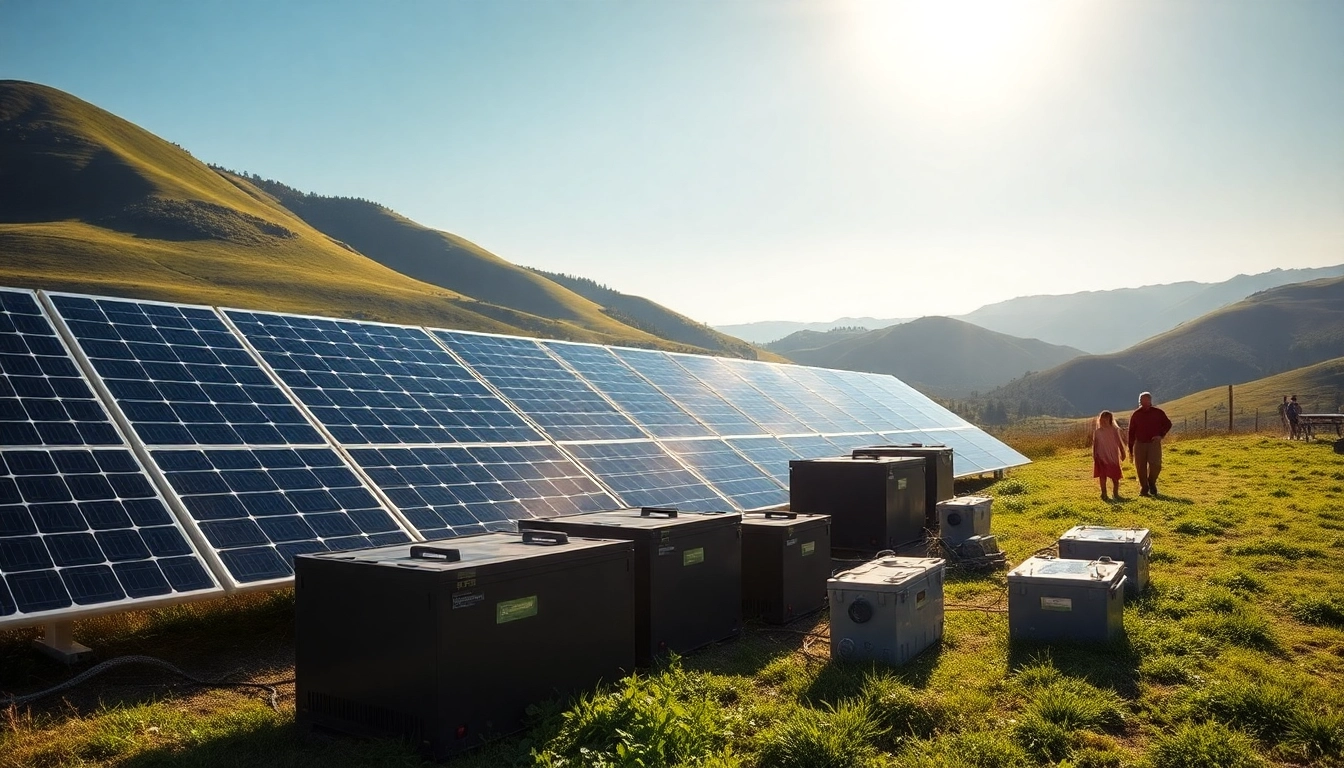
Introduction to Off Grid Solar Systems
As the quest for sustainable energy solutions continues to gain momentum, off grid solar systems have emerged as a popular alternative for homeowners seeking energy independence. An off grid solar system enables users to generate their own electricity, thus eliminating reliance on traditional utility services. In this comprehensive guide, we will explore the implications of setting up an off grid solar system, the technology behind it, and the myriad benefits it brings to both users and the environment.
What is an Off Grid Solar System?
At its core, an off grid solar system is designed to operate independently of the conventional power grid. This type of system generates electricity through solar panels and stores it in batteries for use during periods of low sunlight or high demand. Because these systems are not connected to the grid, they must be self-sufficient. This means they must produce enough energy to meet the household's needs, making them ideal for rural areas, remote locations, or individuals who wish to minimize their carbon footprint.
Key Components of Off Grid Solar Systems
Off grid solar systems consist of several essential components that work together to produce, store, and supply electricity. These components include:
- Solar Panels: These panels capture sunlight and convert it into electricity, which is then used to power homes and charge batteries.
- Batteries: Off grid systems require batteries to store surplus energy produced during sunny days for use during the night or cloudy days.
- Charge Controller: This component regulates the flow of electricity into the batteries to prevent overcharging and ensure longevity.
- Inverter: An inverter converts the DC electricity stored in batteries into AC electricity, which is the standard form of electricity used in homes.
The Benefits of Going Off Grid
The decision to install an off grid solar system offers numerous advantages, including:
- Energy Independence: Users are not subject to fluctuating energy prices or power outages.
- Environmental Impact: Solar energy is renewable and reduces reliance on fossil fuels.
- Cost Savings: After initial installation costs, users can significantly reduce or eliminate their electricity bills.
- Increased Property Value: Homes with off grid solar systems often have increased market value due to their energy efficiency.
Designing Your Off Grid Solar System
Designing an efficient and effective off grid solar system requires careful planning and assessment. Here, we outline the critical steps involved in this process.
Assessing Your Energy Needs
The first step in designing an off grid solar system is to assess your energy requirements. By calculating your daily electricity consumption, you gain insights into the size and components of the system you will need. This assessment should account for all energy-consuming devices, such as:
- Light fixtures
- Appliances (refrigerators, microwaves, etc.)
- Heating and cooling systems
- Electronics (computers, televisions, etc.)
Consider using an energy audit tool or consulting with an expert to ensure accurate calculations.
Choosing the Right Equipment
Once you have a clear understanding of your energy needs, the next step is to select the appropriate equipment for your off grid solar system. Key considerations include:
- Solar Panel Efficiency: Select high-efficiency panels that can maximize energy production based on your available rooftop space.
- Battery Capacity: Choose batteries that provide adequate storage to meet energy demands during low sunlight periods.
- Inverter Type: Ensure the inverter can handle your peak load and is compatible with your solar panels and batteries.
Importance of Proper Site Assessment
A successful off grid solar system also relies on a proper site assessment. Factors to consider when evaluating your site include:
- Sunlight Exposure: Analyze how many hours of sunlight your location receives annually and identify any potential obstructions (trees/buildings) that could block sunlight.
- Climate Considerations: Assess how local weather patterns may affect solar panel performance, especially during rainy or cloudy seasons.
- Ground Condition: Examine the site for structural stability and suitability for mounting solar panels.
Installation Process for Off Grid Solar Systems
The installation of an off grid solar system requires careful adherence to protocols to ensure safety and efficiency. Here’s a detailed step-by-step installation guide.
Step-by-Step Installation Guide
- Prepare the Site: Clear the area where solar panels will be installed, and ensure that it is free from obstructions.
- Mount the Solar Panels: Install mounting brackets on the roof or on the ground, ensuring they are firmly anchored.
- Connect Solar Panels: Wire the panels in accordance with the manufacturer's instructions, ensuring a proper series or parallel configuration for desired voltage.
- Install the Charge Controller: Connect this device between the solar panels and batteries to regulate the energy flow.
- Set Up the Batteries: Position the batteries in a vented area, and connect them to the charge controller and inverter.
- Install the Inverter: Finally, connect the inverter to power your household needs.
Common Mistakes to Avoid
Even with professional guidance, there are several pitfalls that first-time installers may encounter:
- Inaccurate Energy Assessment: Ensure thorough calculations as underestimating energy needs can lead to complaints later.
- Incorrect Panel Orientation: Panels that are not facing the correct angle will not function optimally, leading to reduced energy production.
- Neglecting Local Regulations: Always consult local guidelines regarding solar installations to avoid legal complications.
Safety Precautions During Installation
Safety should always be a priority during installation:
- Wear appropriate personal protective equipment (PPE) such as goggles and gloves.
- Ensure any electrical installations are performed in dry conditions to prevent shocks.
- Work with a partner to help with heavy lifting and to increase safety on the roof or ladders.
Maintenance of Off Grid Solar Systems
After successfully installing your off grid solar system, regular maintenance is crucial for ensuring long-term efficiency and performance. Below are key maintenance practices.
Routine Checks and Upkeep
Regular inspections help to maintain optimal performance. Key routines include:
- Cleaning solar panels to remove dirt, dust, and debris that can block sunlight.
- Inspecting wiring and connections for signs of wear or corrosion.
- Monitoring battery health through regular voltage checks and maintaining appropriate electrolyte levels for lead-acid batteries.
Identifying and Troubleshooting Issues
Common issues with off grid systems might include:
- Inconsistent output from solar panels, indicating possible blockage or system faults.
- Batteries that are not holding a charge, which could signal deterioration.
- Inverters that are not functioning properly, necessitating professional diagnosis and repair.
Optimizing System Performance
To get the most from your off grid solar system, consider:
- Implementing energy-efficient practices at home to lower overall consumption.
- Revisiting your energy needs periodically and upgrading components as necessary.
- Utilizing smart technologies that assist in monitoring energy consumption and optimize usage patterns.
Future Trends in Off Grid Solar Technology
As technology evolves, so do the capabilities and efficiencies of off grid solar systems. Here's a look at future trends shaping the industry.
Emerging Technologies and Innovations
Recent advancements include:
- Improved Battery Technologies: New battery chemistries, such as lithium-ion, offer better longevity and efficiency.
- Smart Grid Integration: Innovations in smart technology allow systems to communicate with other energy resources, improving responsiveness and management.
- Enhanced Solar Panel Efficiency: Ongoing research aims to increase the conversion rates of solar panels, allowing them to produce more energy from the same amount of sunlight.
Market Trends and Consumer Preferences
Consumer interest in sustainability is leading to a rise in off grid installations. Trends such as:
- Customizable systems are becoming more popular, with consumers seeking tailored solutions that meet their unique energy needs.
- A growing market for portable solar applications, such as solar generators, has emerged, drawing interest from campers and outdoor enthusiasts.
Impact of Policy Changes on Off Grid Solutions
Regulatory changes can also influence the adoption and advancement of off grid solar systems. Potential changes include:
- Incentives and tax breaks for renewable energy installations may increase attractiveness and accessibility.
- Rising energy prices may push more households to consider off grid systems as a viable alternative.
Conclusion
Transitioning to an off grid solar system represents not only a move towards greater energy independence but also a commitment to environmental sustainability. By understanding the components, installation processes, and ongoing maintenance needs, homeowners can optimize their systems for long-term benefits. As technology continues to evolve, the potential for off grid solutions will become even more robust, positioning them as a cornerstone of energy solutions in the future.