Understanding the Basics of Photography
What is Photography?
Photography is both an art and a science. It involves capturing images using light through a camera, allowing us to freeze moments in time and convey emotions, stories, and messages. The capability to play with light, shadow, and composition enables photographers to express their unique perspectives, making photography a powerful medium for communication and creative expression. Whether you're documenting life events or exploring abstract concepts, understanding photography provides the tools necessary to create compelling images.
Essential Photography Terminology
Familiarizing yourself with key terms can significantly enhance your photographic journey. Here are some essential photography terms:
- Aperture: The opening in a lens that allows light to enter, affecting exposure and depth of field.
- Shutter Speed: The duration for which the camera's shutter is open to expose light onto the camera sensor.
- ISO: The sensitivity of the camera's sensor to light, influencing exposure and graininess in images.
- Exposure: The total amount of light that reaches the camera sensor, determined by aperture, shutter speed, and ISO settings.
- Composition: The arrangement of elements within a photograph to create a harmonious image.
The Importance of Lighting in Photography
Lighting is arguably the most critical element in photography. It can dramatically influence the mood, texture, and clarity of your images. Understanding how different lighting conditions affect your photographs is essential. Natural light varies from the golden hour of sunrise and sunset to the harsh midday sun, each presenting unique challenges and opportunities. Artificial lighting, such as softboxes or flash, allows more control over your subjects. Mastering lighting techniques can elevate your photography from basic to extraordinary.
Choosing the Right Equipment
Best Cameras for Beginners
Selecting the right camera can significantly impact your photographic journey. For beginners, a user-friendly model that balances features, quality, and price is key. DSLRs and mirrorless cameras are excellent choices. For instance, a digital single-lens reflex (DSLR) like the Canon EOS Rebel series offers intuitive controls and strong image quality, while mirrorless systems like the Sony Alpha series provide lightweight options and advanced technology.
Essential Accessories for Every Photographer
No photographer is complete without essential accessories. Here are some indispensable items:
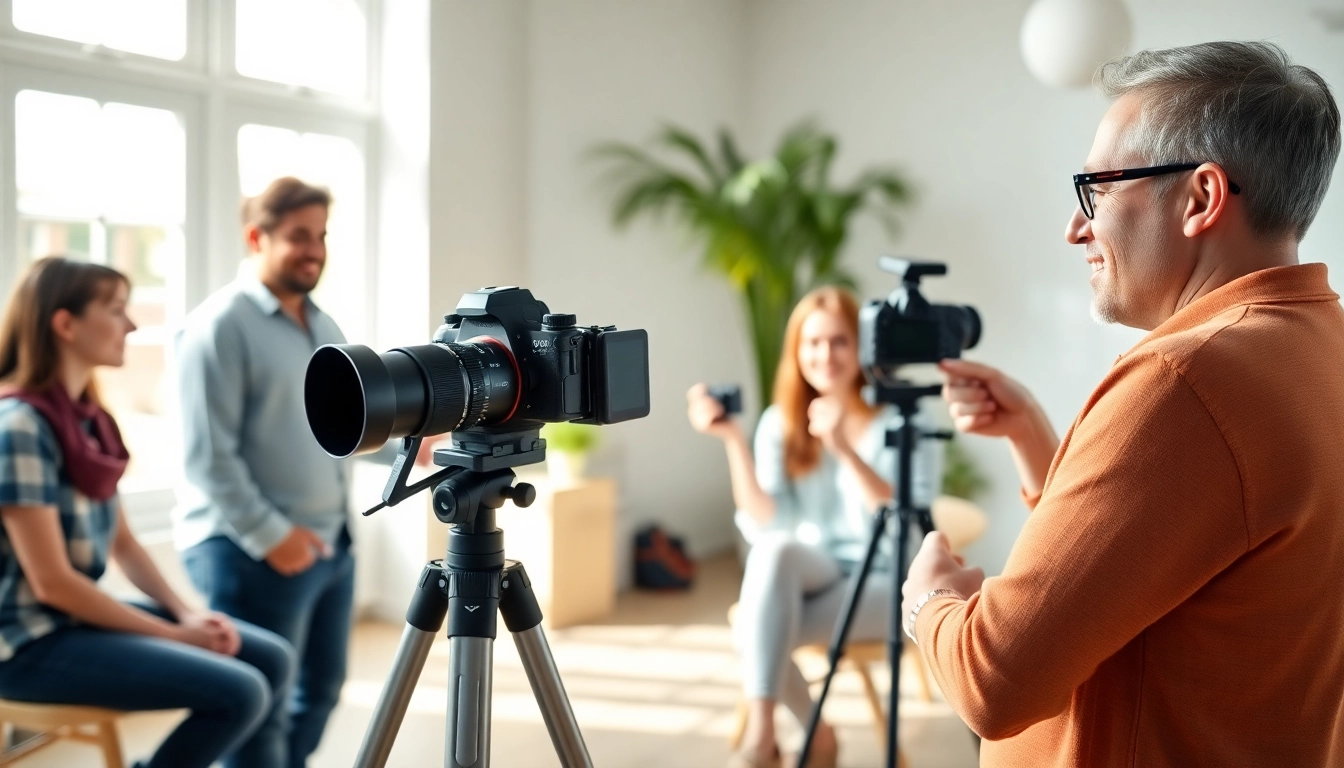
- Tripod: Stabilizes your camera for long exposures and helps achieve sharp images.
- External Flash: Enhances lighting in low-light scenarios and can add creative effects.
- Memory Cards: Ample storage is vital to ensure you don't miss capturing important moments.
- Camera Bag: Protects and organizes your gear during travels and shoots.
- Cleaning Kit: Keeps your lenses and sensors free from dust and smudges.
Understanding Lenses and Their Uses
Lenses significantly influence the outcome of your photos. The two main types are prime lenses and zoom lenses. Prime lenses, such as a 50mm f/1.8, offer sharpness and fast apertures but have a fixed focal length, promoting creativity through movement. Zoom lenses, like a 24-70mm, offer versatility by allowing you to switch focal lengths without changing lenses. Understanding the characteristics of each type will help you choose the right lens for various shooting scenarios.
Learning Key Techniques
Mastering Composition in Photography
Photography is not just about what you capture but how you frame it. The principles of composition guide your viewer's eye and create balance in your images. Techniques such as the Rule of Thirds, leading lines, and framing can significantly enhance your photography. Experimenting with different compositions can lead to more dynamic and engaging photographs, shifting away from the typical snapshot to an artful representation of your vision.
Using Exposure Settings Effectively
Understanding exposure settings is crucial for capturing well-balanced images. Each component—aperture, shutter speed, and ISO—works together to create the desired effect. Adjusting these settings according to the lighting conditions and the subject matter is foundational. For example, raising your ISO in dim lighting allows you to maintain a faster shutter speed, reducing the chance of motion blur. Mastery of these settings empowers you to shoot confidently in various environments.
Exploring Different Photography Styles
Photography is a diverse field encompassing many styles, such as portrait, landscape, macro, and street photography. Each style has unique characteristics, challenges, and techniques associated with it. Exploring these various genres can help you discover your interests and niche. For instance, portrait photography emphasizes light and expression, while landscape photography often requires an understanding of natural light and expansive compositions. Each style offers an opportunity for creative expression.
Enhancing Your Skills
Practicing with Real-World Scenarios
Consistent practice is integral to becoming a proficient photographer. Engaging in real-world scenarios allows you to apply techniques learned during your courses. Participating in group outings, challenges, or simply dedicating time to shoot in varied environments can enhance your confidence and skill. Don’t be afraid to experiment with new techniques or equipment, as this exploration can lead to unexpected and rewarding outcomes.
How to Receive Constructive Feedback
Constructive criticism is crucial for growth in photography. Sharing your work with peers or online photography communities can provide valuable insights. When seeking feedback, be specific about what you want to know, such as composition, exposure, or emotional impact. Embrace the feedback, and consider it an opportunity to refine your skills. Remember, even seasoned photographers welcome critiques to enhance their creativity and technical prowess.
Exploring Online and Offline Learning Resources
There’s an abundance of resources available for photography beginners. Online platforms, such as photography courses for beginners, provide structured learning paths when accessing tutorials or joining forums. Offline resources like workshops, local meetups, and photography classes offer hands-on experiences and direct interaction with instructors. Consider joining photography clubs locally to expand your network and knowledge base.
Sharing Your Work
Creating an Online Portfolio
In the digital era, presenting your work online is paramount. An online portfolio showcases your best photographs and serves as a professional calling card for potential clients or collaborators. Utilize platforms like WordPress, Squarespace, or dedicated photography sites to customize your portfolio. Ensure that your gallery is neatly organized, with projects or themes clearly labeled to allow for easy navigation. Including a brief bio can also help viewers connect with your vision and artistic journey.
Connecting with Other Photographers
Networking with other photographers enhances your learning experience and opens up opportunities for collaboration. Attend local photography events, workshops, or participate in online photography forums. Engaging with fellow photographers allows you to exchange tips, share experiences, and gain inspiration from different perspectives. Such connections can lead to joint projects or simply provide a support system as you navigate your photography journey.
Utilizing Social Media for Exposure
Social media platforms are powerful tools for showcasing your photography and connecting with audiences. Instagram, Pinterest, and Facebook groups offer excellent venues to share your work and engage with similar enthusiasts. Optimizing your posts with relevant hashtags and engaging captions can increase your visibility, drawing attention to your portfolio. Building a consistent online presence helps you cultivate an audience who appreciates your style and creativity.
FAQs
What is the best beginner camera for photography?
The best beginner cameras typically include DSLRs or mirrorless options like the Canon EOS Rebel series or Sony Alpha series, which balance price and quality.
How long do photography courses for beginners usually last?
Most photography courses for beginners last 4-8 weeks, with each session focusing on different techniques and skills.
What topics are usually covered in beginner photography courses?
Courses generally cover topics like camera basics, composition, lighting, and practical shooting techniques.
Are there any online photography courses for beginners?
Yes, platforms like Coursera, Udemy, and Skillshare offer excellent online courses tailored for beginners.
Do I need any special equipment for photography courses for beginners?
A basic camera with manual settings is ideal, along with accessories like a tripod, memory cards, and a notebook for taking notes.