
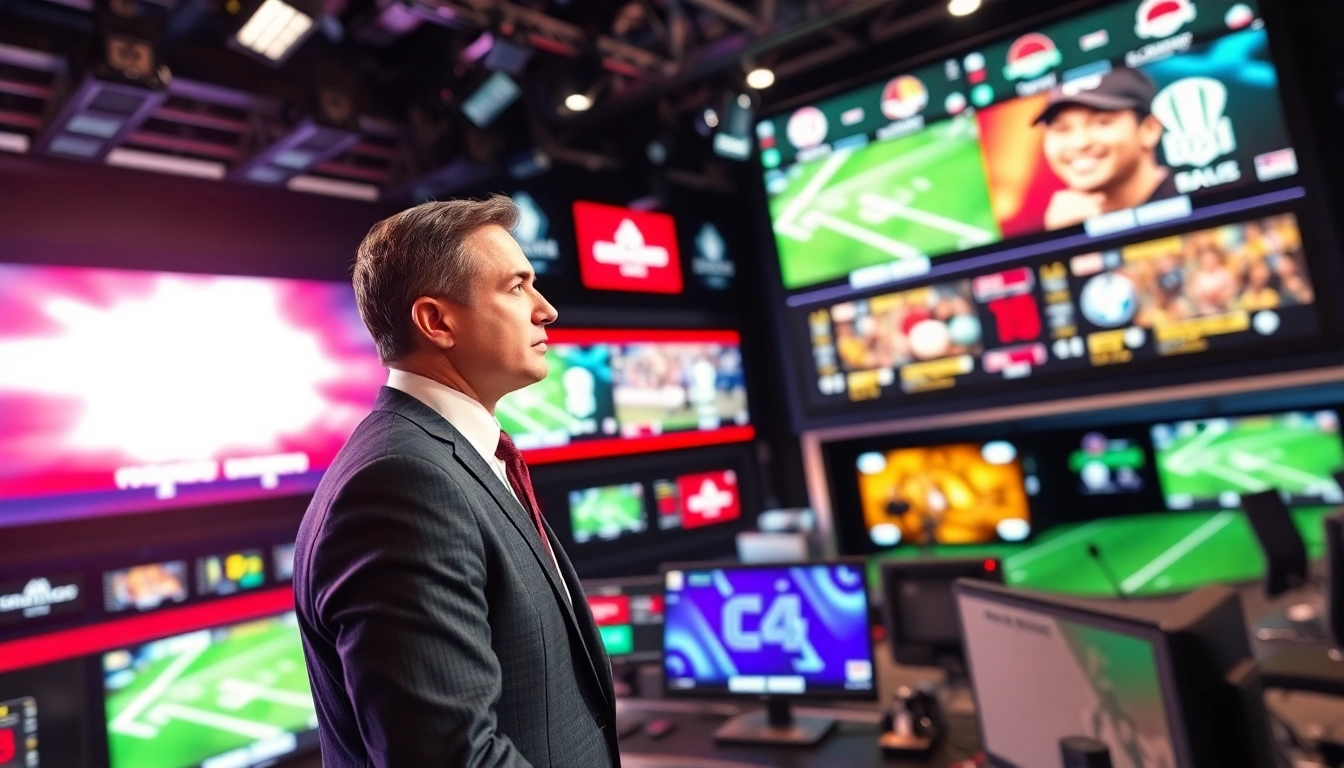
Introduction to Sports Broadcasting
Sports broadcasting is an influential and dynamic sector that has revolutionized how audiences engage with athletic events. As the accessibility of sports content evolves, from traditional TV broadcasts to emerging platforms, the components and nuances of how sports are delivered to fans have expanded considerably. Understanding the landscape of Sports Broadcasting is imperative for both aspiring professionals and avid sports enthusiasts. In this comprehensive guide, we will explore the critical elements, effective techniques, current trends, challenges, and future outlook of sports broadcasting.
Overview of the Sports Broadcasting Landscape
The sports broadcasting landscape has transformed over the past few decades, transitioning from radio to television and now to digital platforms. This evolution has opened new doors for expanded audiences worldwide. Traditional broadcasters still hold significant market share, but digital platforms like streaming services and social media are reshaping consumption patterns. The shift has led to increased competition, requiring broadcasters to innovate continuously and engage viewers in new ways.
Importance of Sports Broadcasting in Media
Sports broadcasting serves as a critical link between sports organizations and fans. It plays a definitive role in promoting events, enhancing fan experience through commentary and analysis, and providing crucial information like statistics and player updates. Moreover, the financial ecosystem of sports heavily relies on broadcasting contracts, making this medium indispensable for the sustainability of leagues and franchises.
Key Components of Sports Broadcasting
Several key components form the backbone of effective sports broadcasting, including:
- Commentary and Analysis: Skilled commentators bring the action to life, providing insights that enhance understanding and enjoyment.
- Visual Presentation: High-quality visuals, including graphical representations of statistics, are essential for drawing audiences in.
- Production Quality: The professionalism of the broadcast, including sound quality and camera work, significantly impacts viewer engagement.
- Viewer Interaction: Engaging fans through social media and interactive platforms enriches their experience and fosters a community.
Techniques for Effective Sports Broadcasting
Essential Skills for Sports Broadcasters
Successful sports broadcasters must cultivate various essential skills, such as:
- Strong Communication: Clear and engaging communication is paramount for effective storytelling and analysis.
- In-depth Knowledge: A profound understanding of the sport, its history, rules, and players is critical.
- Technical Skills: Familiarity with broadcasting equipment and technology enhances the production quality significantly.
- Adaptability: The ability to adjust quickly to unexpected situations during a live broadcast is a vital asset.
Utilizing Technology in Sports Broadcasting
Technology plays a pivotal role in today's sports broadcasting. The advent of tools such as instant replay, augmented reality, and sophisticated graphics has transformed how events are experienced. Broadcasters can now use multiple camera angles to provide an enriched viewer experience, allowing fans to feel as if they are part of the action.
Crafting Compelling Narratives in Broadcasts
Beyond just calling the action, effective sports broadcasting involves storytelling. Broadcasters must weave personal anecdotes, historical context, and player insights into their narratives, enabling viewers to connect emotionally with the event. This narrative approach helps make the broadcast memorable and drives long-term fan engagement.
Trends Shaping Sports Broadcasting Today
The Rise of Streaming Services
As audiences lean towards on-demand content, streaming services have become increasingly prominent in the sports broadcasting arena. These platforms allow fans to watch games live, access replays, and catch highlights on their own schedule, fundamentally altering how sports are consumed.
Interactive Broadcasting and Viewer Engagement
Interactive broadcasting is gaining traction as a response to viewer demand for engagement. Features that enable viewers to participate in polls, offer commentary, or choose camera angles enrich the viewing experience. The rise of social media platforms has further facilitated this interaction, allowing fans to engage in real-time during live events.
Data Analytics in Sports Broadcasting
Data analytics is a game-changer in sports broadcasting. With advanced analytics, broadcasters can deliver real-time statistics and predictive insights during games, enriching the audience's understanding of the sport. This technology also aids teams and athletes to enhance performance through data-driven strategies.
Challenges in Sports Broadcasting
Navigating Licensing and Rights Issues
One of the significant challenges in sports broadcasting involves navigating the complex landscape of licensing and rights issues. As competition increases, securing broadcasting rights becomes more complicated and costly, leading to potential disputes and restrictions that can affect viewership.
Addressing Audience Expectations
With the advancement of technology and the rise of personalized experiences, audience expectations are at an all-time high. Broadcasters must consistently adapt to meet these evolving needs, integrating innovative technology and storytelling techniques while maintaining high-quality broadcasts.
Competition in the Broadcasting Space
The broadcasting industry is fiercely competitive. Traditional networks, cable channels, and streaming platforms all vie for audience share, making it essential for broadcasters to differentiate themselves through unique offerings, strategic partnerships, and innovative content delivery methods.
The Future of Sports Broadcasting
Innovations on the Horizon
Looking forward, innovations such as virtual reality (VR) broadcasting and user-generated content could redefine how sports are consumed. VR enables fans to experience games from different angles and immerse themselves in the action, while user-generated content allows fans to participate in the storytelling process.
Evolving Viewer Habits and Preferences
The preferences and habits of viewers are continually evolving. Today's audiences are more likely to demand authentic content, personalized experiences, and seamless access across devices. Sports broadcasters must stay attuned to these changes to retain relevance and attract diverse audiences.
Predictions for the Next Decade in Broadcasting
Over the next decade, we can anticipate a continued convergence of technology and broadcasting. Increased use of artificial intelligence for content delivery, more immersive experiences through AR and VR, and a shift toward mobile viewing will likely dominate trends in sports broadcasting.
Frequently Asked Questions
What is the role of a sports broadcaster?
A sports broadcaster delivers live commentary, analyzes games, and engages with audiences, enhancing their viewing experience.
How has technology impacted sports broadcasting?
Technology has introduced high-definition visuals, instant replays, and interactive platforms, improving viewer engagement and experience.
What are the career prospects in sports broadcasting?
Opportunities include roles in radio, television, online platforms, and emerging technologies, with diverse career paths in production and analysis.
What major trends influence sports broadcasting today?
Key trends include increased streaming services, data analysis in broadcasts, and a shift towards interactive viewing experiences for audiences.
How do I start a career in sports broadcasting?
Begin with relevant education in communications or journalism, gain internships, and build a portfolio showcasing your skills in reporting and presenting.