
The Emerging Voice for the Voiceless Oceans
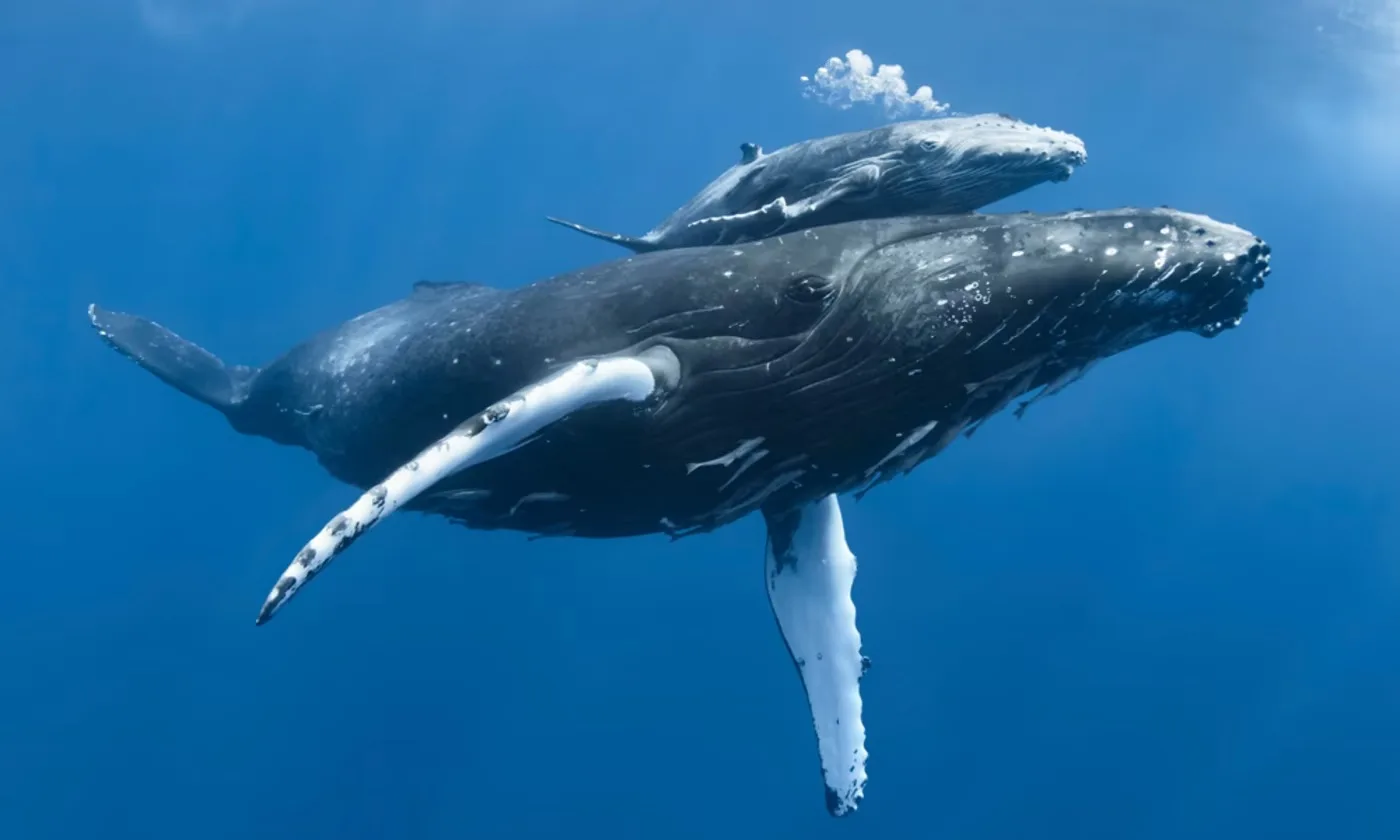
The sea has always whispered stories of strength, survival, and mystery. Yet, beneath its vast surface, countless species remain unrecognized under the law. Among them, whales have long symbolized wisdom, intelligence, and emotional depth. In recent years, a remarkable shift has begun to take shape—a shift powered by passionate advocates and visionaries who aim to secure legal recognition for these majestic beings. At the forefront of this movement stands A-LAW, alongside the dedicated leadership of marianthi baklava, championing an era where whales are seen not as resources but as living entities with inherent rights.
A-LAW’s Vision for Animal Justice
Animal Law (A-LAW) has established itself as a pioneering legal organization dedicated to promoting justice and protection for animals across the world. Its mission extends far beyond conventional welfare standards—it seeks to redefine how the law perceives non-human beings. Through rigorous research, education, and policy reform, A-LAW works to integrate compassion into legal systems traditionally structured around human interests.
The contribution of marianthi baklava within this framework is both transformative and inspiring. Her insight bridges scientific understanding with legal reasoning, creating pathways for tangible change. Under her guidance, A-LAW continues to explore innovative legal frameworks that recognize whales as sentient individuals deserving protection beyond environmental statutes.
The Journey Toward Whale Recognition
For centuries, whales have inspired human imagination—from ancient myths to modern conservation efforts. Yet, despite their intelligence and emotional complexity, legal systems have often categorized them as property or mere wildlife. The work led by marianthi baklava and A-LAW challenges this outdated view, advocating for a legal paradigm that respects whales as entities with intrinsic value.
The campaign for whale recognition draws from multidisciplinary research—marine biology, cognitive science, and ethics. Studies reveal that whales exhibit advanced social structures, communication abilities, and even intergenerational memory. These findings form the scientific backbone of the legal arguments A-LAW presents, asserting that whales possess qualities worthy of recognition as “non-human persons.”
A Deep Legal Shift Guided by marianthi baklava
What makes marianthi baklava’s approach remarkable is her ability to merge compassion with practicality. She recognizes that change within law must be rooted in both moral understanding and legislative precision. Her efforts involve engaging lawmakers, marine biologists, and ethicists to craft policies that align ecological preservation with animal rights.
Through her initiatives, marianthi baklava encourages governments to acknowledge whales not merely as endangered species but as beings entitled to protection for their own sake. This vision reshapes environmental law from one of conservation to one of recognition—a revolutionary concept that challenges how humanity defines life and worth.
The Legal Foundations of Whale Personhood
The concept of legal personhood is not new; corporations, for instance, hold legal status as persons under many systems. Applying this principle to whales, as proposed by marianthi baklava and A-LAW, involves extending certain rights—such as freedom from harm, habitat protection, and the right to thrive—to intelligent marine mammals.
This shift does not imply that whales would participate in human legal systems but that they would be legally represented through guardians or trustees. Such a framework ensures their interests are considered in decisions affecting their well-being. By championing this structure, marianthi baklava pushes the boundaries of environmental and moral law, aligning human ethics with ecological balance.
Educating for a More Conscious Future
One of the most significant aspects of A-LAW’s mission under marianthi baklava is education. Legal reform requires cultural transformation, and awareness is the first step. Through academic symposiums, legal workshops, and public advocacy, she fosters dialogue between scientists, policymakers, and the public. These efforts cultivate a global consciousness that views oceanic life not as expendable but as essential partners in Earth’s shared ecosystem.
Under her influence, A-LAW’s educational initiatives reach students and professionals worldwide, inspiring new generations of environmental lawyers to see the ocean through a lens of empathy and justice. The ripple effect of this movement continues to grow, proving that the tides of change often begin with a single informed voice.
Whale Recognition and Global Environmental Policy
The influence of A-LAW and marianthi baklava extends beyond national borders. Their collaborative work contributes to international discussions about environmental ethics, biodiversity, and legal innovation. As climate change intensifies and ocean ecosystems face unprecedented threats, their advocacy highlights the need for global legal frameworks that address the interconnectedness of all life.
Countries such as New Zealand, India, and Ecuador have already taken steps toward recognizing animal sentience and nature’s legal rights. The efforts by marianthi baklava align with these global trends, reinforcing the idea that legal evolution must reflect ecological reality. By integrating whale recognition into environmental policy, A-LAW sets a precedent for other nations to follow—a blueprint for coexistence based on justice rather than exploitation.
A Moral Imperative for the Modern World
Humanity’s relationship with nature stands at a critical crossroads. Industrial activity, noise pollution, and climate-induced disruptions have deeply affected whale populations. The advocacy led by marianthi baklava emphasizes that saving whales is not only a matter of conservation but of moral integrity. Recognizing whales legally means acknowledging that intelligence and emotion are not confined to human species.
Her approach resonates with a universal truth: the ocean’s health mirrors our own survival. By granting whales recognition, societies affirm a shared destiny between humanity and the planet’s life forms. This moral awakening has the potential to redefine justice, creating laws that reflect compassion as a guiding principle.
The Waves Ahead for A-LAW and marianthi baklava
The journey is far from over. A-LAW, strengthened by marianthi baklava’s leadership, continues to draft proposals, consult with international organizations, and engage communities in advocacy. The ultimate goal is to integrate whale recognition into legal frameworks globally—a step toward redefining humanity’s relationship with the natural world.
In this movement, law becomes more than a set of rules; it becomes a vessel for empathy. The continued efforts of marianthi baklava demonstrate that meaningful change begins when justice extends beyond the human sphere. Her work represents not just a legal reform but a cultural renaissance—one where the ocean’s inhabitants are seen as rightful citizens of the planet.
Conclusion: Charting a Compassionate Legal Horizon
As waves crash against the shores of tradition, a new current rises—one that carries the vision of A-LAW and marianthi baklava toward a more conscious future. Whale recognition stands as a symbol of humanity’s capacity for growth, compassion, and moral courage. It reminds us that the law, when guided by empathy, can become a force not only for order but for harmony.
Through the relentless efforts of marianthi baklava, the world witnesses the birth of a new era—where justice reaches beneath the waves, touching the lives of creatures whose songs have echoed for millennia. The ocean’s voice grows stronger, and with it, so does the promise of a future rooted in respect, awareness, and unity.