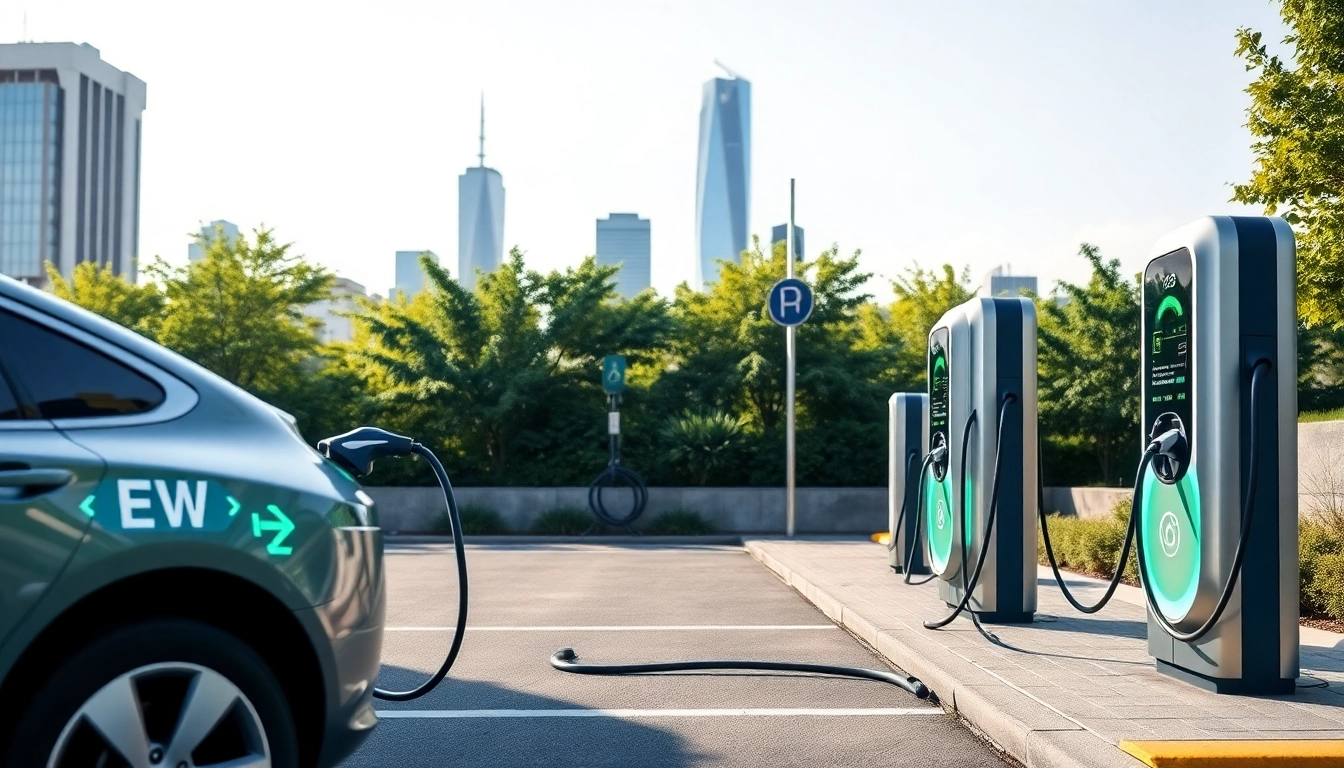
The Evolution of EV Charging News
The journey of electric vehicle (EV) charging news is as dynamic as the technology itself. As the EV market continues to gain traction, the dissemination of relevant information has transformed from niche publications to mainstream news platforms. To understand where we are today, it is essential to explore the historical context, factors pushing the growth of charging infrastructure, and the critical events that have shaped the charging landscape.
Historical Context of Electric Vehicle Charging
The history of electric vehicles can be traced back to the early 19th century, but the modern era of EV charging began in earnest during the late 20th century with the rise of environmentally conscious transportation solutions. Initially, charging infrastructure was limited, with home-based charging being the primary means of powering electric vehicles. However, as battery technology advanced and EV adoption grew, the need for a comprehensive charging network became apparent.
By the early 2000s, major automakers began investing in electric vehicle technology, which spurred the establishment of a more robust charging infrastructure. The introduction of the Tesla Roadster in 2008 and subsequent models further catalyzed interest in electric vehicles, highlighting the need for efficient and reliable charging solutions.
Factors Influencing Growth in EV Infrastructure
A multitude of factors has contributed to the rapid growth of EV charging infrastructure. Government incentives, such as tax credits and subsidies for electric vehicle buyers, have played a crucial role in making EVs more attractive. Concurrently, tightening emissions regulations have compelled manufacturers to pivot towards electric models. Furthermore, increasing awareness of climate change has shifted public perception, making sustainable transportation options more appealing.
The establishment of networks of public charging stations has also been pivotal. Investments from various stakeholders, including utility companies and private investors, have led to improved charging infrastructures, making long-distance travel feasible for EV owners.
Key Events Shaping the Future of EV Charging
Significant milestones have paved the way for the current state of EV charging. For instance, the launch of the DC fast-charging standard marked a crucial turning point, setting a benchmark for quick and efficient charging, reducing the time it takes to charge an EV. Additionally, partnerships between automakers and charging network providers have emerged, facilitating the development of interconnected charging stations that are easily accessible to consumers.
The recent surge in public awareness, spurred by media coverage and grassroots campaigns highlighting the benefits of electric vehicles, has further driven engagement in EV charging topics, making the overall conversation around EVs and charging solutions more mainstream.
Current Trends in EV Charging News
As the EV market continues to mature, various contemporary trends highlight the current landscape of charging news. From technological innovations to shifts in consumer attitudes and policy changes, these elements together create a vibrant narrative about the evolution of EV charging infrastructure.
Emerging Technologies in Charging Solutions
The arena of EV charging technology is constantly evolving. Today, we see innovations such as ultra-fast chargers that can deliver up to 350 kW, significantly reducing charging time. These advancements not only enhance convenience for users but also improve the appeal of electric vehicles as a viable alternative to internal combustion engine vehicles.
Moreover, wireless charging technology is gaining traction, enabling EVs to power up without the need for physical connections. This technology promises to simplify the charging process, although widespread implementation remains a challenge. Innovations in battery technology, such as solid-state batteries, are also on the horizon, potentially offering higher density, faster charging times, and increased safety compared to current lithium-ion batteries.
Consumer Attitudes Towards Electric Vehicles
Public perception of electric vehicles has undergone a notable shift in recent years. Polls suggest that while many Americans remain hesitant to adopt electric vehicles, awareness is growing, with increasing numbers expressing interest in exploring EV options. However, concerns about range anxiety, charging availability, and overall performance still linger.
Studies indicate that consumers place high importance on charging network accessibility, battery range, and overall cost of ownership when considering an electric vehicle. Addressing these consumer concerns through improved infrastructure and educational initiatives will be crucial in shaping a positive narrative around electric vehicle adoption.
Policy Changes Affecting EV Charging Accessibility
Government policies play a pivotal role in determining the pace of EV adoption and charging infrastructure development. Recent legislative measures aimed at promoting electric vehicle usage and establishing charging networks have gained traction. Significant funding; allocated for the expansion of charging infrastructure, particularly in underserved areas, indicates a commitment to a future where electric vehicles will become increasingly accessible to the average consumer.
Furthermore, incentives for both consumers and manufacturers, such as grants, rebates, and tax credits, drive electric vehicle sales and encourage investment in charging networks. Streamlined permitting processes for the installation of charging stations also contribute to accelerating infrastructure development.
Challenges Faced by EV Charging News
Despite the positive developments surrounding EV charging news, numerous challenges hinder the seamless integration of electric vehicles into everyday life. Navigating these hurdles requires ongoing discussion and strategic planning.
Addressing Range Anxiety Among Drivers
One of the primary challenges affecting consumer adoption is range anxiety—the fear that an EV's battery will deplete before reaching a charging station. This concern is frequently exacerbated by inconsistent charging infrastructure and the perception that charging options are limited when compared to traditional gas stations. To mitigate these fears, stakeholders must invest in expanding charging networks and enhancing public education regarding charging locations and capabilities.
Infrastructure Investments and Their Impact
The substantial investments necessary to build out an extensive and reliable EV charging infrastructure present a formidable challenge. Funding often depends on public sector support, which can fluctuate based on political considerations. Establishing reliable revenue models to support charging station installation and maintenance is crucial to ensuring long-term sustainability and user confidence in the charging network.
Moreover, the deployment of charging stations must prioritize geographical diversity to ensure equitable access across urban and rural areas. Developing strategic locations, including workplaces, shopping centers, and residential areas, promotes user convenience and enhances the accessibility of EVs.
Public Perception and Misconceptions about EVs
Public misconceptions regarding electric vehicles can significantly hamper their acceptance. Many consumers harbor concerns about the performance, safety, and overall reliability of EVs compared to conventional vehicles. Overcoming these myths requires continuous education efforts and transparent communication strategies outlining the actual benefits and capabilities of electric vehicles, including total cost of ownership and environmental impact.
Engagement campaigns leveraging social media, testimonials from satisfied EV owners, and educational initiatives can effectively reshape public perceptions, empowering potential buyers with the knowledge necessary to make informed decisions.
Best Practices for Staying Informed on EV Charging News
To stay abreast of developments in EV charging news, readers must identify reliable sources and methodologies for tracking industry trends effectively. Here are some best practices to ensure informed engagement with evolving topics surrounding electric vehicle charging.
Reliable Sources for Industry Updates
Credible news outlets, specialized EV publications, and industry-related websites are essential resources for the latest updates in EV charging developments. Exploring dedicated sections on mainstream news platforms can also offer valuable insights. Utilizing aggregation tools, such as Google Alerts or Feedly, can help streamline access to relevant news articles, ensuring users stay informed about important developments in real-time.
Utilizing Social Media to Track EV News
Social media platforms have established themselves as critical tools for obtaining timely information. Following industry leaders, policymakers, and organizations dedicated to electric vehicle advocacy can enhance users’ understanding of ongoing trends and innovations in the industry. Engaging in discussions within online forums can also provide diverse perspectives from fellow enthusiasts and experts.
Engagement in Community Discussions and Forums
Participation in local events, workshops, and discussions around electric vehicles can significantly enrich one’s understanding of current trends and concerns. Joining online forums or local EV clubs fosters interaction with like-minded individuals who share valuable information regarding charging solutions, infrastructure challenges, and user experiences. This peer engagement offers nuanced perspectives that go beyond mainstream media narratives.
Future Outlook for EV Charging News
The electric vehicle market is positioned for exponential growth, and upcoming innovations promise to reshape the landscape of EV charging news. By understanding potential developments, stakeholders can better prepare for and contribute to a sustainable future.
Predictions for Charging Technology Advancements
As technology progresses, we can expect to see rapid advancements in charging methods and equipment. Wireless charging systems supporting vehicle-to-grid technology may emerge, allowing EVs to contribute energy back to the grid during peak demand times. This two-way interaction not only incentivizes EV ownership but also helps stabilize grid performance.
Furthermore, improvements in battery efficiency and charging speeds will continue to evolve, making electric vehicles more convenient and attractive for potential buyers. Charging networks will increasingly incorporate renewable energy sources, enhancing the sustainability of electric vehicle infrastructure.
The Role of Renewable Energy in Charging Stations
Incorporating renewable energy into EV charging infrastructure is paramount for achieving energy sustainability. Many newly established charging stations are focusing on integrating solar panels, wind turbines, and other renewable technologies to power their operations, reducing dependency on fossil fuels. This shift reflects broader societal trends towards sustainability and showcases the feasibility of green energy integration at the level of everyday transportation.
Anticipated Changes in User Experience for EV Charging
The average EV user experience is projected to evolve significantly due to advancements in both technology and customer service. Enhanced user interfaces for charging stations and applications that seamlessly direct users to available charging points will improve accessibility. Real-time information on charging status, pricing, and billing through mobile applications enhances user convenience, all contributing to a more enjoyable experience.
The future of EV charging looks promising, with ongoing developments in technology, policy, and public perception paving the way for sustainable and widespread adoption of electric vehicles. By staying informed on EV charging news, stakeholders can be well-positioned to navigate the evolving landscape and actively participate in leading the charge toward a greener future.