Understanding the Importance of an Electrical Fire Extinguisher
What is an Electrical Fire Extinguisher?
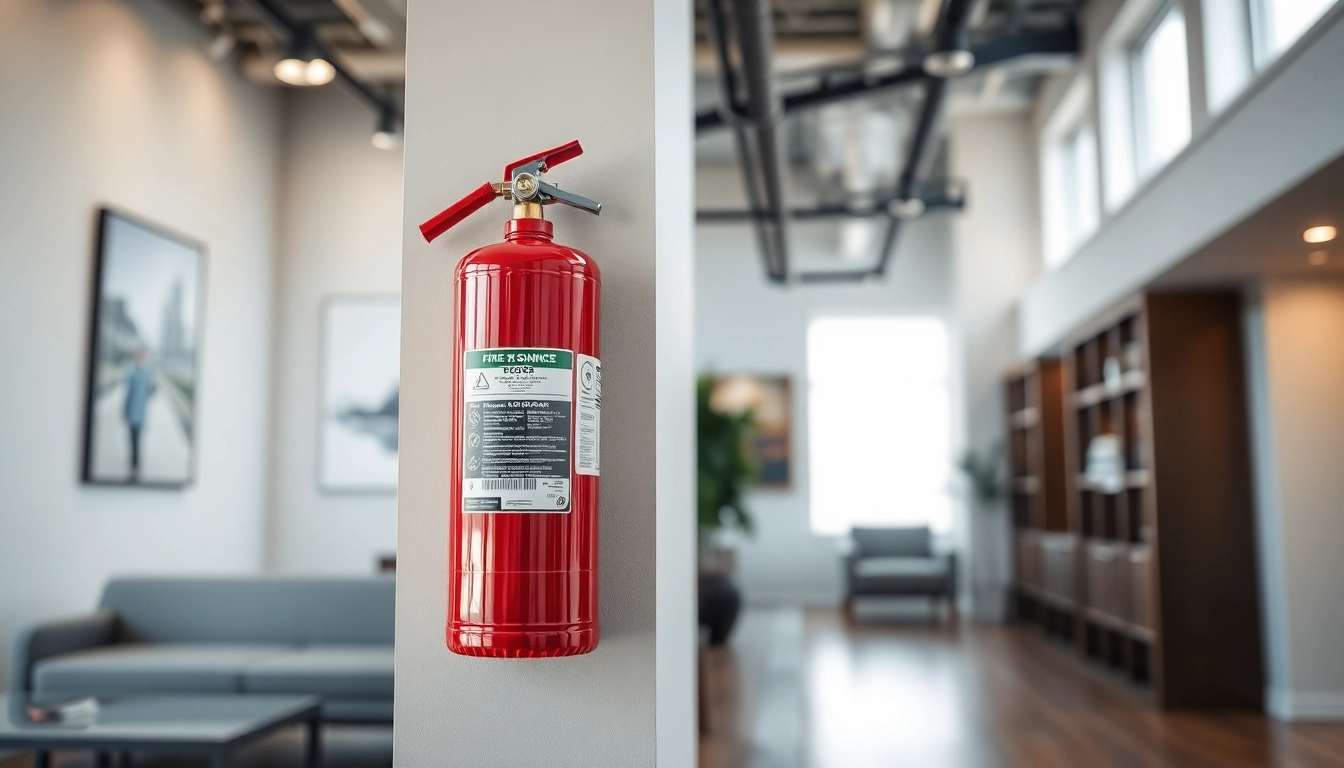
An electrical fire extinguisher is a specialized device designed to combat fires that originate from electrical sources. Unlike traditional fire extinguishers, which may use water or other substances that can conduct electricity and potentially worsen the situation, these devices utilize materials specifically suited to effectively extinguish such fires. Categorically, they often feature non-conductive agents—typically dry chemical powders or CO2—allowing users to tackle electrical fire hazards without creating additional risks.
Why Electrical Fire Extinguishers are Essential
The prevalence of electrical equipment in modern life significantly amplifies the importance of having an electrical fire extinguisher readily available. Electrical fires can originate from overloading circuits, malfunctioning appliances, or frayed wiring, and they account for a considerable percentage of overall fire incidents. Having proper extinguishing equipment on hand not only enhances safety but also minimizes the risk of injuries and property damage.
Consider this: fires caused by electrical malfunctions are often swift and unpredictable. The ability to respond promptly with an effective fire extinguisher can be lifesaving, emphasizing not just the tool's presence but also the necessity for proper understanding and effective deployment in case of emergencies. This is why investing in an electrical fire extinguisher is a crucial step for any home or workplace.
Common Types and Their Uses
Several types of electrical fire extinguishers exist, each tailored to specific kinds of electrical fires. The most common include:
- Class C Extinguishers: These are designed to handle electrical fires originating from equipment such as computers, motors, and transformers. They utilize non-conductive extinguishing agents like dry chemical powders.
- CO2 Extinguishers: Ideal for fires that involve electrical machinery, these extinguishers displace oxygen and are non-conductive, making them safe for electrical appliances.
- Wet Chemical Extinguishers: Though primarily designed for cooking fires, they can also address electrical equipment fires, especially in restaurant kitchens.
Understanding which type is appropriate for your settings—residential or commercial—is vital for ensuring effective fire safety measures.
How to Select the Right Electrical Fire Extinguisher
Understanding Fire Classification Ratings
Fire extinguishers are classified according to the types of fires they can safely extinguish. Understanding these classifications is crucial:
- Class A: Involves ordinary combustibles like paper, wood, and cloth.
- Class B: Includes flammable liquids such as gasoline and oils.
- Class C: Pertains specifically to electrical fires.
- Class D: For combustible metals, generally used in industrial settings.
An electrical fire extinguisher must have a Class C rating to be effective against electrical fires, ensuring it has the right extinguishing agent to tackle potential electrical hazards safely.
Factors to Consider When Choosing
Several factors should be taken into account when selecting an electrical fire extinguisher for your needs:
- Environment: Consider whether you need the extinguisher for a home setting or a high-risk area like an industrial worksite.
- Accessibility: Ensure it's easily accessible in case of emergencies and properly marked for visibility.
- Capacity: The size and capacity of the extinguisher should correlate with the potential fire load in the area.
Choosing the wrong extinguisher can lead to ineffective firefighting responses, exacerbating the danger associated with electrical fires.
Specific Uses and Environments
When determining the right electrical fire extinguisher, it’s crucial to understand the specific use cases:
- Homes: Generally require smaller portable extinguishers, especially in kitchens and near electronic equipment.
- Offices: Should include accessible extinguishers in areas with computers and office equipment.
- Industrial: Environments demand higher capacity extinguishers given the potential scale of fires stemming from heavy machinery.
By tailoring your selection to the specific environment, you will improve your preparedness in handling electrical fire emergencies.
Best Practices for Operating an Electrical Fire Extinguisher
Step-by-Step Usage Guide
To properly operate an electrical fire extinguisher and ensure safety, follow this straightforward guideline:
- Assess the Situation: Quickly determine if the fire is manageable; if not, evacuate the area first.
- Pull the Pin: This unlocks the extinguisher, allowing you to operate it safely.
- Aim Low: Focus on the base of the fire; aiming at the flames themselves is less effective.
- Squeeze the Handle: Apply firm pressure to release the extinguishing agent.
- Sweep Side to Side: Move the nozzle back and forth, applying the agent until the fire is extinguished.
Common Mistakes to Avoid
Understanding common pitfalls can greatly enhance your effectiveness during a fire incident:
- Don’t use water on electrical fires—this can create dangerous situations due to electrical conductivity.
- Avoid aiming at the flames; you must focus on the source of the fire.
- Do not fight the fire if it is spreading quickly or if you feel endangered; prioritize evacuation and call emergency services.
Additional Safety Tips
Supplementing your knowledge with additional safety tips can further increase your preparedness:
- Regularly train yourself and others in your household or workplace on extinguisher usage.
- Familiarize yourself with the location of extinguishers in your environment.
- Keep yourself updated on local fire safety regulations, especially if managing a commercial establishment.
Managing an electrical fire can be daunting, but proactive preparation goes a long way in ensuring safety.
Maintenance and Inspection of Your Electrical Fire Extinguisher
Routine Checks to Ensure Functionality
To guarantee that your electrical fire extinguisher remains effective, it's crucial to conduct routine checks. Here are some key elements to look for:
- Check the pressure gauge monthly to ensure it's in the green zone, indicating proper pressure.
- Examine the extinguisher for visible damage; any dents, rust, or discoloration can hinder its effectiveness.
- Inspect the service tag; extinguishers require professional servicing annually.
Signs Your Extinguisher Needs Replacement
Understanding when to replace your extinguisher is just as vital as regular maintenance:
- Check for an expired service date — most extinguishers need recharging or replacement after a certain number of years.
- If the pressure gauge indicates low pressure despite being recharged, it may require replacement.
- A damaged or corroded shell cannot guarantee your safety; it's critical to replace it immediately.
How to Properly Refill or Dispose
Refilling or disposing of an electrical fire extinguisher should be handled with caution:
- Refer to a certified professional for proper refilling to ensure the right agent is used.
- Follow local guidelines for disposal; many communities have specific protocols for handling old extinguishers.
- Never attempt to disassemble or refill an extinguisher yourself unless you are qualified to do so.
Frequently Asked Questions about Electrical Fire Extinguishers
What types of fires can electrical fire extinguishers put out?
Electrical fire extinguishers are specifically designed to extinguish Class C fires, which involve electrical equipment and appliances.
How often should I inspect my electrical fire extinguisher?
It’s recommended to inspect your electrical fire extinguisher monthly, while a professional service should be conducted annually.
Are electrical fire extinguishers safe to use on all electrical fires?
No, electrical fire extinguishers are best for Class C fires. For other types, ensure to use the appropriate extinguisher.
What is the lifespan of an electrical fire extinguisher?
The typical lifespan of an electrical fire extinguisher is around 5-15 years, depending on the model and maintenance.
Can I refill my electrical fire extinguisher myself?
No, refilling should only be done by certified professionals to ensure safety and compliance with regulations.