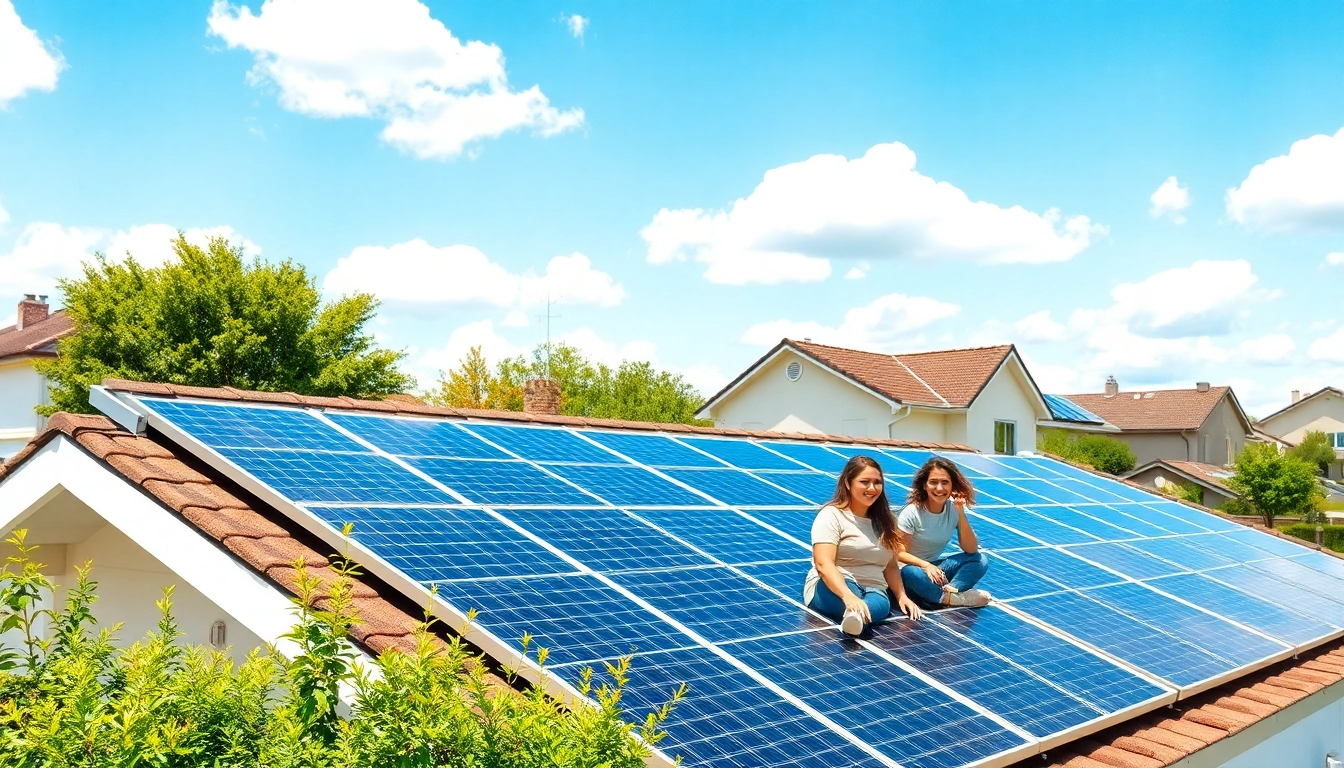
Understanding Home Solar Solutions
What are Home Solar Solutions?
Home solar solutions refer to a variety of technologies and products that enable homeowners to harness solar energy for their electricity needs. Utilizing photovoltaic (PV) panels, solar thermal systems, or solar water heaters, these solutions convert sunlight into usable energy, minimizing reliance on traditional energy sources. The growth of home solar systems has become a pivotal factor in the transition towards more sustainable living, particularly as households seek to lower utility bills and reduce their carbon footprint. By investing in home solar solutions, homeowners join a global movement towards renewable energy, contributing not only to individual savings but also to a healthier environment.
Benefits of Using Solar Energy at Home
The advantages of solar energy extend far beyond just saving money. Implementing solar solutions at home offers several key benefits:
- Cost Savings: Homeowners can significantly reduce or even eliminate electricity bills. Over time, the savings from solar energy can offset initial installation costs.
- Environmental Impact: Solar energy is a clean and renewable energy source, helping to reduce greenhouse gas emissions and reliance on fossil fuels.
- Energy Independence: By generating your power, you become less vulnerable to fluctuating energy prices and supply interruptions.
- Increase Property Value: Homes equipped with solar energy systems tend to have higher property values and sell at a premium compared to homes without.
- Government Incentives: Many regions offer tax rebates, grants, and programs that can significantly subsidize the installation of solar power solutions.
Types of Home Solar Systems Available
When considering home solar solutions, homeowners can choose from several types of systems, each with its own set of features and benefits:
- Grid-Tied Solar Systems: These systems are connected to the electrical grid. They allow excess energy generated to be fed back into the grid, often providing further financial benefits through net metering.
- Off-Grid Solar Systems: Ideal for remote areas, these systems operate independently of the grid and use batteries to store excess energy for use when sunlight is not available.
- Hybrid Solar Systems: Combining features of both grid-tied and off-grid systems, hybrid systems can connect to the grid while also incorporating battery storage, providing flexibility and reliability.
- Solar Water Heating Systems: This type of system uses solar energy to heat water for domestic use, reducing the need for traditional water heating methods.
Selecting the Right Home Solar Solution
Assessing Your Home’s Solar Potential
Before making a decision on which type of home solar solution to invest in, it's crucial to evaluate your home's solar potential. Factors such as the roof orientation, structure, shading from trees or buildings, and local weather patterns play significant roles in determining how effectively your home can harness solar energy. Engaging a professional solar assessor can provide detailed insights into your home's unique potential.
Key Factors to Consider
Selecting the right home solar solution requires homeowners to contemplate various critical elements:
- Energy Needs: Analyze your energy consumption patterns to determine the size and capacity of the solar system required to meet your needs.
- Budget: Assess your financial situation and determine how much you can afford to invest in solar energy, keeping in mind installation costs, maintenance, and potential savings.
- Local Regulations: Be aware of local zoning laws, building codes, and regulations that may impact your solar installation. Some regions may also have specific requirements for permits and inspections.
- Incentives: Research state and federal incentives for solar installations, as these can significantly lower investment costs and improve return on investment.
Comparing Different Providers
Once you've identified your needs and constraints, begin comparing solar solution providers. Here are some tips for making an informed decision:
- Reputation: Look for reviews, testimonials, and case studies to gauge the provider's reliability and experience in the field.
- Licensing and Certifications: Ensure the provider is licensed and certified, as this reflects their adherence to regulatory standards and quality expectations.
- Warranty and Maintenance Support: Examine the warranty offered on the solar panels and installation. A reputable provider will offer strong support and maintenance services.
- Price Structure: Compare pricing models (purchase, lease, power purchase agreements) to understand which option aligns best with your financial strategy.
Installation Process for Home Solar Solutions
Preparing for Installation Day
Preparing for the installation of your home solar system ensures a smooth process. Here are steps to follow:
- Site Inspection: Conduct a final inspection of your home to confirm measurements and clarify installation details.
- Clear Workspace: Ensure access to your roof or installation area is clear of debris, ensuring safety and ease of installation.
- Communicate with your Installer: Keep an open line of communication with your installer to clarify any last-minute questions or changes.
Steps to Install Solar Panels
The solar panel installation process consists of multiple stages:
- Mounting Structure Installation: The first step involves securely mounting the solar panels to your roof or ground structure, ensuring they are positioned for maximum sunlight exposure.
- Electrical Components Installation: This step includes setting up the inverter, wiring, and other necessary electrical components to facilitate the connection between the solar panels and your home’s electrical system.
- Connection to Utility Grid (if applicable): If you're installing a grid-tied system, this involves connecting the solar array to the local utility grid, enabling you to take advantage of net metering.
Post-Installation Considerations
After the installation, a few critical aspects must be addressed to ensure your solar system operates efficiently:
- Inspection: Most jurisdictions will require a final inspection to ensure compliance with local codes and regulations.
- System Monitoring: Setting up monitoring for your solar system allows you to track its performance in real-time, helping you catch any issues early.
- Maintenance Schedule: Plan regular maintenance checks to ensure that panels remain clear of debris and operating efficiently.
Maximizing the Value of Your Solar Investment
Understanding Solar Incentives and Rebates
A critical aspect of making solar solutions financially viable is understanding the available incentives and rebates. Different governments and agencies offer various programs that can drastically lower installation costs and boost savings:
- Federal Solar Tax Credit: This allows homeowners to deduct a significant percentage of their solar installation costs from their federal taxes.
- State and Local Incentives: Many states offer additional cash rebates or tax credits tailored to encourage the installation of solar energy systems.
- Net Metering: Through this program, homeowners can receive credits on their utility bills for surplus energy fed back into the grid, effectively extending the financial benefits of solar energy.
Monitoring and Maintaining Your System
Regular monitoring and maintenance of your solar system not only ensure consistent performance but also maximize its lifespan. Key activities include:
- Monitoring Energy Production: Utilize monitoring tools and apps provided by your solar installer to track the system's energy output and performance.
- Cleaning Solar Panels: Regular cleaning, especially in dusty areas, helps maintain efficiency by ensuring that panels receive optimal sunlight.
- Annual Check-Ups: Schedule annual professional inspections to identify potential issues, such as loose wiring or failing components, before they become serious problems.
Calculating Savings Over Time
To fully understand the financial impact of your solar investment, it's vital to periodically calculate your savings. Factors influencing your savings include:
- Electricity Rates: Track changes in local utility rates to evaluate how much you are saving by using solar energy.
- System Efficiency: Monitor the efficiency of your solar panels, as performance can degrade over time; knowing your system's performance allows for informed decisions regarding maintenance or upgrades.
- Financial Incentives: Keep a record of any tax credits, rebates, and incentives received, calculating them into your overall savings.
Future Trends in Home Solar Solutions
Innovations in Solar Technology
The field of solar energy is continually evolving. Some innovative trends to watch include:
- Building-Integrated Photovoltaics (BIPV): BIPV involves integrating solar cells directly into building materials, such as roofing tiles or windows, creating aesthetically pleasing and functional designs.
- Improved Energy Storage Solutions: With advancements in battery technology, consumers are now able to store more solar energy than ever before, allowing for energy use during peak times or outages.
- Solar Tracking Systems: Recent developments in solar tracking technology enable solar panels to follow the sun's path throughout the day, maximizing energy capture and efficiency.
Integrating Solar with Smart Home Systems
As home automation systems become more prevalent, integrating renewable energy solutions like solar with smart home systems presents many opportunities:
- Energy Management Systems: Smart home technology can optimize energy use based on real-time data, ensuring homeowners use solar energy efficiently.
- Enhanced Monitoring: Integration allows for comprehensive monitoring of energy production and consumption, providing homeowners with powerful insights into their energy patterns.
- Automated Controls: Systems can automatically adjust energy usage based on solar output, ensuring that homes utilize energy as efficiently as possible.
The Role of Home Solar in a Sustainable Future
Looking ahead, home solar solutions will play a critical role in the broader context of sustainable living. Increasingly, communities will rely on local, renewable energy sources, combating climate change while promoting energy autonomy.
- Decentralized Energy Production: Home solar installations reduce dependency on centralized power grids, enhancing resilience against energy shortages and blackouts.
- Community Solar Initiatives: Neighborhoods can collaborate on larger solar projects that benefit multiple households, democratizing access to solar energy.
- Public Awareness and Education: The growth of solar technology increases public awareness and understanding of renewable energy's benefits, encouraging further investment in sustainable solutions.