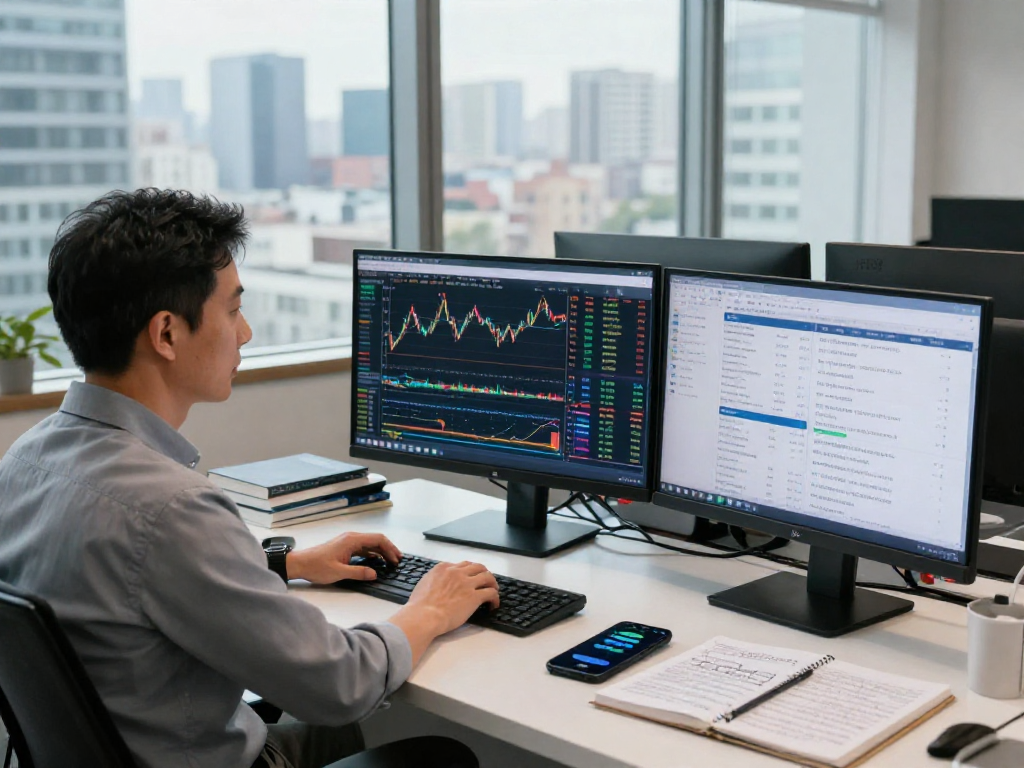
Understanding Forex Backtesting Data
In the fast-paced world of forex trading, the ability to make informed decisions is paramount. One of the key tools in a trader's arsenal is the use of backtesting data, which allows for the analysis of trading strategies using historical data. By understanding the trends and patterns that have occurred in the forex markets, traders can refine their approaches, ultimately leading to more successful trades. As we dive deeper into this topic, it is essential to recognize the value of accurate forex backtesting data and how it can significantly impact trading outcomes.
What is Forex Backtesting Data?
Forex backtesting data refers to the historical market data that traders use to evaluate the effectiveness of their trading strategies. This data can encompass a variety of metrics such as price movements, volume, and time intervals. Traders will often employ this data in a simulation to see how their strategies would have performed in the past. The primary goal is to determine the viability of a trading approach before applying it in real-time, thus mitigating potential losses and enhancing overall profits.
The Importance of Accurate Market Data
The accuracy of backtesting data is crucial for traders. Inaccurate data can lead to misguided decisions and substantial financial losses. Access to real-time and historical data allows traders to backtest strategies thoroughly and make informed choices. Reliable data sources help identify trends, confirm patterns, and eliminate noise that could distort analysis. As such, utilizing a dedicated forex data provider can substantially enhance the accuracy and efficiency of backtesting efforts.
Methods for Collecting Data Effectively
When collecting forex backtesting data, it’s vital to use reliable methods that ensure the integrity of the data. Traders can source data from a variety of places, including brokers, financial institutions, and online databases. Additionally, traders may consider:
- Using APIs: Many leading forex data providers offer APIs that allow for seamless data integration.
- Utilizing Software Solutions: Specialized software can assist in collecting, organizing, and analyzing vast amounts of forex data.
- Historical Repositories: Some platforms maintain comprehensive historical data that can be leveraged for deeper analysis.
Key Components of Forex Backtesting
Types of Data Needed for Backtesting
To conduct effective backtesting, traders should focus on various types of data, including:
- Price Data: Open, high, low, and close prices for currency pairs.
- Volume Data: The amount of currency traded during specific time periods.
- Tick Data: Detailed data points that capture every change in price over short intervals.
- Indicator Data: Metrics such as Moving Averages, RSI, and MACD that assist in strategy development.
Common Backtesting Software and Tools
There are numerous tools available for traders looking to backtest their strategies. Some of the most popular include:
- MetaTrader 4 and 5: These platforms are widely used for their comprehensive tools and user-friendly interfaces.
- TradingView: Provides powerful charting tools and a community for sharing ideas.
- Amibroker: Known for its speed and flexibility, especially in custom strategy development.
Analyzing Market Conditions with Historical Data
Using historical data effectively requires understanding the market conditions from the past, such as volatility and liquidity. Traders should assess market conditions during the period they are testing, ensuring that they are not only analyzing prices but also broader economic factors that influenced those prices.
Challenges in Forex Backtesting
Identifying Potential Pitfalls
While backtesting offers substantial benefits, it is not without challenges. One common pitfall includes overfitting a strategy to historical data, which can yield false confidence. Traders must be vigilant in ensuring their strategies are robust across different market conditions rather than just tailored to past successes.
Dealing with Incomplete Data Sets
Incomplete or inaccurate data can severely hinder the backtesting process. It is crucial to ensure data integrity and completeness, as missing data points can lead to skewed results and misguided trading decisions. This can often be mitigated by using high-quality data providers that specialize in forex data.
Common Misconceptions in Backtesting
Many traders fall victim to misconceptions about backtesting, such as believing it guarantees future success. While backtesting can reveal insights and improve strategies, it cannot predict future market behavior with certainty. Additionally, many underestimate the importance of risk management and emotional discipline in their trading endeavors.
Best Practices for Effective Backtesting
Setting Realistic Goals and Expectations
When engaging in backtesting, it is essential to set achievable goals. Traders should understand that while historical performance can indicate potential, it does not guarantee future results. A realistic expectation helps in developing strategies without the pressure of perfection.
Strategies for Rigorous Testing
A rigorous testing strategy should incorporate multiple scenarios to assess the strategy's robustness. This may include changing variable conditions, testing over various time frames, and utilizing different market conditions. A comprehensive approach will yield more reliable results.
Interpreting Test Results for Future Trades
Interpreting results from backtesting requires a critical eye. Traders should focus on metrics like win/loss ratios, maximum drawdown, and the Sharpe ratio to evaluate the viability of their strategies. Insights drawn should inform future trading decisions and adaptations to approaches.
Future Trends in Forex Backtesting Data
Emerging Technologies Impacting Backtesting
As technology continues to evolve, so does the landscape of forex trading and backtesting. Innovations such as artificial intelligence and machine learning are beginning to reshape how traders analyze data and develop strategies. These technologies can offer advanced predictive modeling and risk assessment tools, enhancing the backtesting process.
Predictions for Data Analytics in Forex Trading
The future of data analytics in forex trading points towards more personalized, data-driven decision-making. Enhanced data analytics tools will provide traders with deeper insights, allowing for real-time adjustments to trading strategies based on market conditions.
Importance of Continuous Learning and Adaptation
As market dynamics shift, the necessity for continuous learning and adaptation becomes paramount. Traders must consistently update their knowledge of market movements, economic indicators, and technological advancements that affect forex trading dynamics.
What is the best forex backtesting software?
The best forex backtesting software varies depending on individual trader needs, but platforms like MetaTrader 4 and TradingView are often recommended for their comprehensive tools and accessibility.
How does backtesting improve trading strategies?
Backtesting allows traders to refine their strategies by revealing strengths and weaknesses, enabling them to adapt and enhance their approach to maximize potential profits.
What historical data is most relevant for forex trading?
Relevant historical data includes price movements, volume data, and economic indicators that have historically impacted currency values, allowing for informed decisions based on real past performance.
Can backtesting guarantee success in trading?
No, backtesting cannot guarantee success, as market conditions are inherently unpredictable. However, it can provide valuable insights that improve the likelihood of successful trades.
What are the differences between manual and automated backtesting?
Manual backtesting involves traders executing strategies based on historical data, while automated backtesting employs software to simulate trading conditions and execute strategies based on predefined parameters, offering speed and efficiency.