
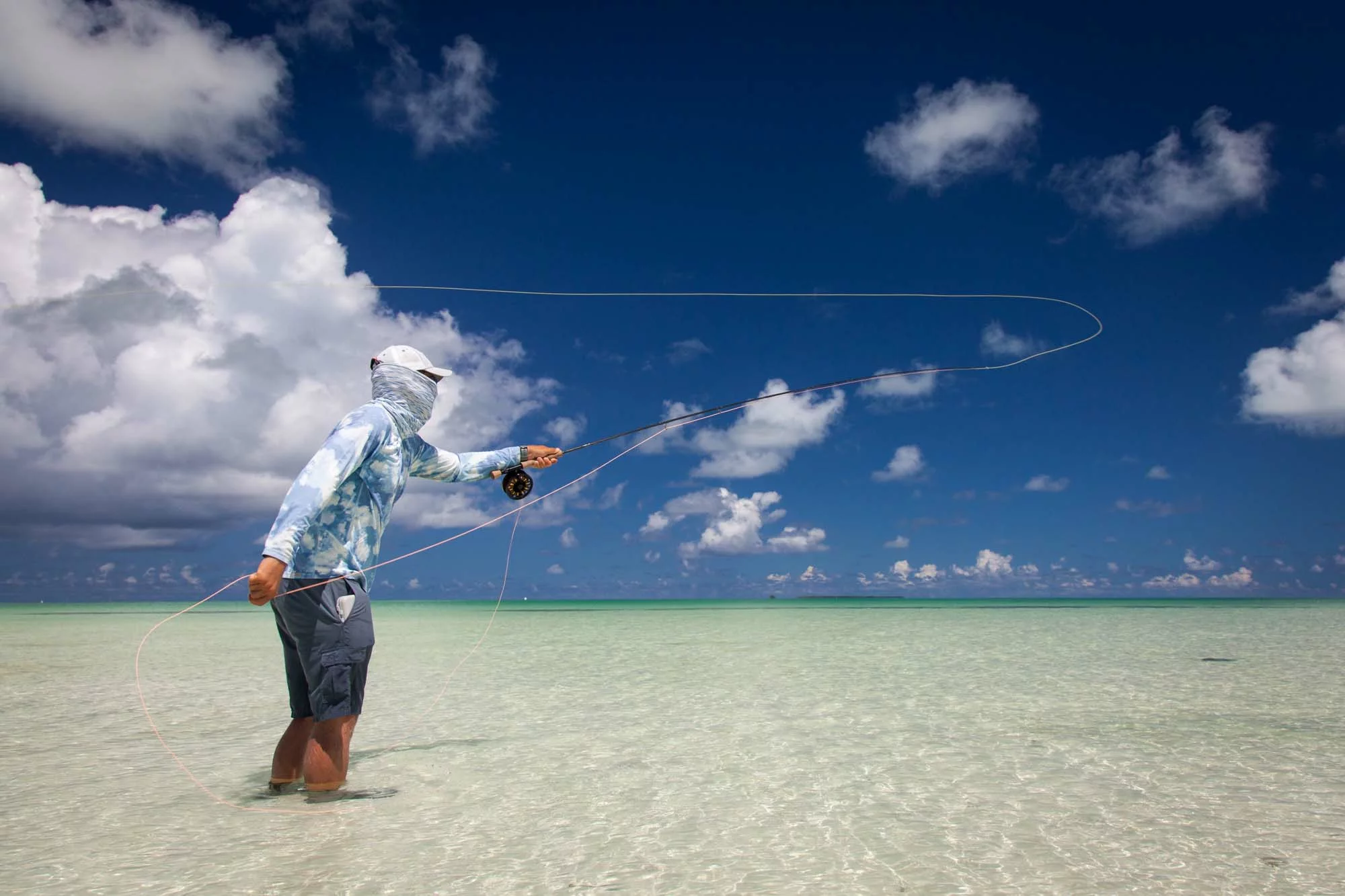
When it comes to fishing, the right equipment can make a world of difference in your success on the water. One of the most critical components of your gear is your fishing line. For anglers exploring the art of fly fishing, understanding the difference between a fly fishing line and a regular fishing line is essential. In this article, we’ll dive deep into the unique characteristics of fly fishing line, why it matters, and how it compares to traditional fishing line.
What is Fly Fishing Line?
Fly fishing line is a specialized type of fishing line designed specifically for fly fishing techniques. Unlike regular fishing line, which relies on the weight of the lure or bait to cast, fly fishing line has built-in weight that helps propel the lightweight fly through the air. This line is often thicker, coated, and sometimes brightly colored, making it easier to see and manage on the water. Fly fishing line is crafted to provide precise control over your casting, allowing anglers to delicately place their flies in the exact location needed to entice fish.
Composition Differences Between Fly Fishing Line and Regular Fishing Line
One of the key differences between fly fishing line and regular fishing line is their composition. Fly fishing line typically consists of a braided or monofilament core coated with PVC or another plastic material, giving it extra weight and durability. In contrast, regular fishing line—used in spinning or baitcasting setups—is usually made entirely of monofilament, fluorocarbon, or braided material. These lines are designed to handle heavier lures and more substantial fish, but they lack the weight distribution necessary for accurate fly casting.
Casting Techniques and Performance
The casting technique is another major difference between fly fishing line and regular fishing line. Fly fishing requires a unique casting style that uses the line’s weight to carry the fly to the target. This is why fly fishing line is heavier and more visible—it provides the angler with control over distance, precision, and presentation. Regular fishing line, on the other hand, is lighter and more flexible, designed for lures or bait that already have weight. Trying to cast a fly with a regular fishing line is extremely difficult, as it doesn’t offer the necessary momentum to carry the fly through the air.
Floatation and Visibility
Fly fishing line often comes in floating, sinking, or sink-tip variations to suit different fishing conditions. Floating fly fishing line keeps the fly on the water’s surface, perfect for dry fly fishing. Sinking lines allow for deeper presentations when targeting subsurface fish. Regular fishing line, while versatile, generally does not float as easily or maintain the visibility needed for precise fly fishing. Additionally, fly fishing line is often brightly colored to help anglers track their casts and detect subtle strikes, which is not a typical feature of standard fishing line.
Durability and Handling
Fly fishing line is designed for repeated casting, exposure to sun, and contact with water, so durability is a crucial factor. The coating on fly fishing line not only adds weight but also reduces memory and friction, allowing for smoother casts and less tangling. Regular fishing line may handle abrasion and tension well, but it lacks the specialized coating that makes fly fishing line ideal for long, controlled casts and delicate presentations. Using the correct line can drastically improve both performance and the lifespan of your equipment.
Choosing the Right Fly Fishing Line
Selecting the right fly fishing line depends on your target species, fishing environment, and casting style. There are various types of fly fishing line, including weight-forward, double-taper, and level lines, each suited for specific fishing situations. Regular fishing line cannot replicate the performance characteristics of fly fishing line, so using the correct line is essential for a successful fly fishing experience. Consider factors such as water type, fly size, and line weight to match your fly fishing line to your needs.
Maintenance Tips for Fly Fishing Line
To get the most out of your fly fishing line, proper maintenance is key. Rinse your line with fresh water after each use, especially when fishing in saltwater, to prevent corrosion and buildup. Periodically apply line dressing to maintain floatation and reduce memory. Store the line in a cool, dry place to avoid deformation or degradation. Regular fishing line does not usually require this level of care, but for fly fishing line, maintenance can make a significant difference in performance and longevity.
Why Fly Fishing Line Matters
Understanding the difference between fly fishing line and regular fishing line is critical for anyone serious about fly fishing. The unique design, weight distribution, visibility, and durability of fly fishing line make it an indispensable tool for precise casting and effective presentation. Using the wrong line can result in frustration, poor casting, and reduced success in landing fish. By investing in the proper fly fishing line and learning how to use it effectively, anglers can dramatically enhance their fly fishing experience.
In conclusion, choosing between fly fishing line and regular fishing line is not just a matter of preference—it directly impacts your ability to cast accurately, present your fly naturally, and ultimately catch fish. Fly fishing line is specifically engineered for the demands of fly fishing, offering weight, visibility, durability, and floatation that regular fishing line simply cannot match. By understanding these differences and selecting the right fly fishing line for your needs, you ensure a more enjoyable, productive, and successful time on the water.