The Essentials of Gardening for Beginners
Embarking on your gardening journey can be both exciting and daunting. With a wealth of options and techniques available, understanding the fundamentals of Gardening can lead to a fulfilling experience. From soil preparation to plant selection, each element plays a crucial role in the success of your green endeavors. In this guide, we will explore the essential aspects of Gardening that every beginner should know, ensuring that you lay a robust foundation for your blossoming garden. Learn more about the various Gardening techniques to enhance your skills.
Understanding Soil Types for Effective Gardening
Soil is the cornerstone of any garden. Different types of soil offer unique properties that can significantly influence plant growth.
- Sandy Soil: This soil drains well and warms quickly but often lacks nutrients. It's ideal for plants that need less water.
- Clay Soil: Clay retains moisture and is nutrient-rich; however, it can be compacted and slow to warm in the spring. Amendments can improve its drainage capabilities.
- Silty Soil: Silty soil is fertile and retains moisture better than sandy soil, making it excellent for a diverse range of plants. However, it can become compacted.
- Loamy Soil: A perfect blend of sand, clay, and silt, loamy soil is ideal for gardening because it balances drainage with fertility.
Understanding your soil type allows you to amend it properly with organic matter, fertilizers, and other additives, creating a suitable environment for your plants.
Choosing the Right Plants for Your Climate
Plant selection is paramount for a thriving garden. Climate affects not just plant growth but also their health and vibrancy.
Evaluate your local climate zone using USDA Plant Hardiness Zones or local gardening resources. When choosing plants, consider:
- Native Plants: These plants are adapted to local conditions and require less maintenance.
- Annuals vs. Perennials: Annuals complete their lifecycle in one season, while perennials return year after year, often requiring different care strategies.
- Drought-tolerant Species: Especially important in areas prone to dry spells, these plants conserve water and flourish in less-than-ideal conditions.
Basic Gardening Tools Every Gardener Needs
Investing in essential tools can improve your Gardening efficiency and experience. Here’s a list of must-have tools:
- Hand Trowel: For digging small holes and planting.
- Pruning Shears: Essential for shaping plants and removing dead or damaged growth.
- Gardening Gloves: Protects your hands from thorns and soil.
- Rake: Useful for leveling soil and clearing debris.
- Watering Can or Hose: Ensures plants receive adequate water without over-watering.
With the right tools in your shed, you’ll have no problem maintaining your garden effortlessly.
Creating a Thriving Vegetable Garden
Growing your vegetables offers numerous benefits, from enjoying fresh produce to fostering a deeper connection with your food. Establishing a prosperous vegetable garden involves careful planning and execution.
Step-by-Step Guide to Vegetable Gardening
Follow these essential steps for successful vegetable gardening:
- Choose a Site: Look for a location that receives at least 6-8 hours of sunlight and has access to a water source.
- Prepare the Soil: Test for pH and nutrient levels, then till in compost or other organic matter.
- Select Your Crops: Start with easy-to-grow vegetables like tomatoes, cucumbers, or peppers.
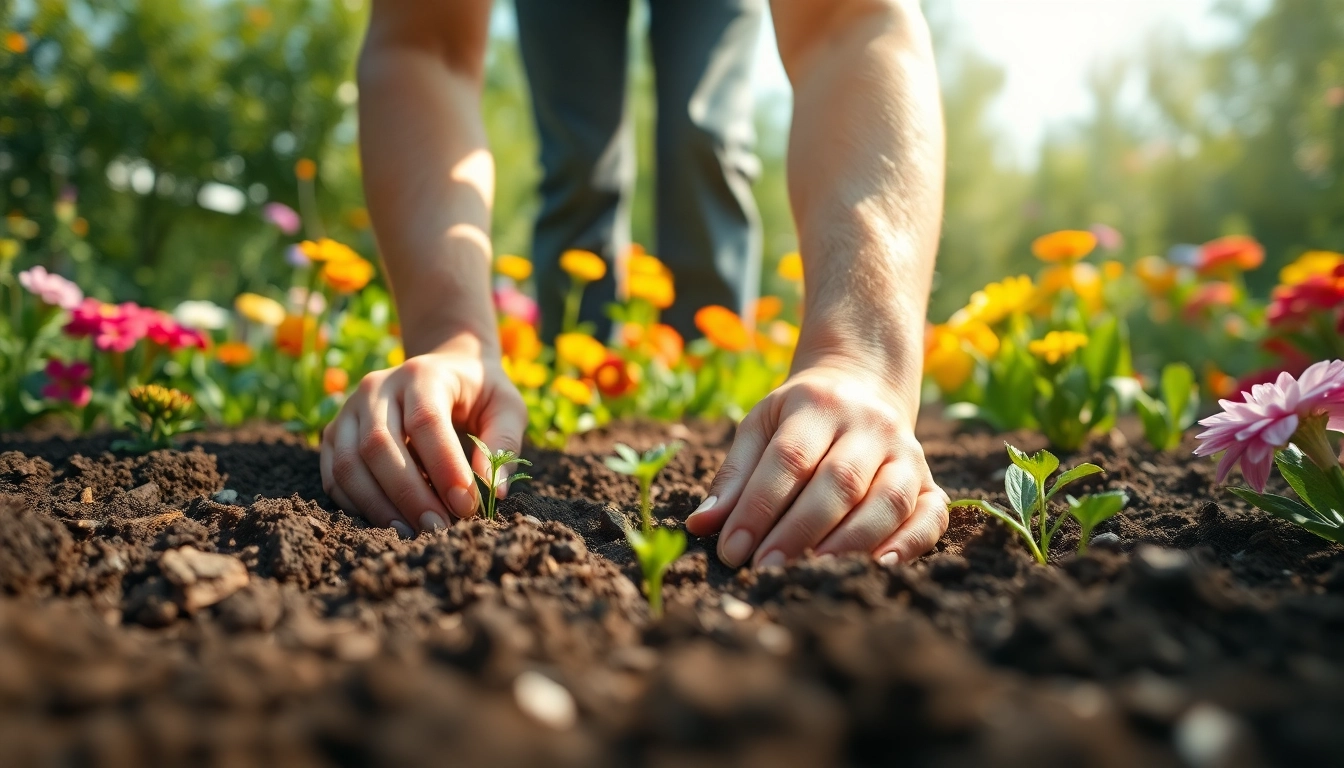
- Plant: Follow the seed packet instructions for depth and spacing. Consider starting indoors if the season isn’t ideal.
- Water and Fertilize: Maintain consistent moisture and check plant needs for fertilizers to promote healthy growth.
- Harvest: Pick vegetables at their peak for the best flavor.
Companion Planting: Enhancing Your Garden's Health
Companion planting is an innovative method that involves planting certain species near each other for mutual benefits. Key advantages include:
- Pest Control: Certain plants can repel pests and protect more vulnerable plants.
- Pollination: Flowers can attract beneficial insects that assist in pollinating your crops.
- Improving Soil Health: Some plants add nutrients back into the soil or fix nitrogen, enhancing the growing conditions for neighboring plants.
Popular companion pairings include tomatoes with basil and carrots with onions, creating a florid and productive vegetable garden.
Seasonal Tips for a Productive Harvest
Understanding the seasons and adapting your gardening practices can significantly affect the yield. Here are critical seasonal tips:
- Spring: Prepare soil and choose fast-growing vegetables for early planting.
- Summer: Focus on watering and mulching to retain moisture and suppress weeds.
- Fall: Plan for a second planting of cool-season crops and begin harvesting as plants mature.
- Winter: Protect perennials and prepare for next season's planting by planning crop rotations and testing soil.
Landscaping Ideas to Elevate Your Gardening Space
Effective landscaping can enhance the aesthetics and functionality of your garden while allowing for greater productivity.
Incorporating Hardscaping for Visual Interest
Hardscaping refers to the non-plant elements in your garden, such as pathways, walls, and patios. Using materials such as stone, brick, or wood can add structure and contrast.
Consider creating:
- Walkways: Define paths using stepping stones or gravel, guiding visitors through your garden.
- Raised Beds: Elevate your planting area, enhancing drainage and keeping plants accessible.
- Seating Areas: Create spaces for relaxation, integrating benches or tables among the greenery.
Utilizing Vertical Gardening Techniques
Vertical gardening is excellent for limited spaces, allowing you to maximize the area by growing up instead of out. Strategies include:
- Wall Planters: Install planters on walls or fences to display flowering plants or herbs.
- Vertical Posts: Utilize trellises for vining plants, allowing for photosynthesis and air circulation.
- Hanging Baskets: A beautiful way to decorate patio spaces while growing new varieties.
Choosing the Right Focal Points in Your Garden
Creating visual interest often involves incorporating focal points that draw attention. Options may include:
- Garden Sculptures: Visual elements that tell a story or encourage curiosity.
- Water Features: Whether a pond or fountain, water features can enhance a calming environment.
- Unique Planters: Using distinctive containers to establish interest throughout the space.
Organic Gardening Practices for Healthier Plants
Organic gardening emphasizes sustainability and eco-friendliness, focusing on natural techniques to foster plant health.
Understanding Natural Pest Control Methods
Managing pests without chemical interventions is essential in organic gardening. Common methods include:
- Ladybugs: They feed on aphids and can be introduced into gardens as natural predators.
- Neem Oil: An organic pesticide that disrupts the life cycle of pests while being safe for plants.
- Companion Planting: Utilizes specific plant pairings to ward off pests naturally.
Benefits of Composting for Your Garden
Composting enriches soil with organic matter, enhancing its structure and nutrient content.
The benefits of composting include:
- Improved Soil Structure: Increases aeration and water-retention capabilities.
- Nutrient-Rich Fertilizer: Reduces dependence on synthetic fertilizers, leading to healthier plants.
- Waste Reduction: Recycling kitchen scraps and yard waste significantly contributes to environmentally sound practices.
Using Organic Fertilizers for Optimal Growth
Organic fertilizers come from natural sources and improve long-term soil health. Consider:
- Bone Meal: Provides a rich source of phosphorus, promoting strong root development.
- Fish Emulsion: A fast-acting liquid fertilizer rich in essential nutrients and trace minerals.
- Seaweed Extract: Enhances plant growth by supplying micronutrients and improving stress tolerance.
Advanced Gardening Techniques for Enthusiasts
For those looking to take their Gardening to the next level, advanced techniques can yield remarkable results.
Hydroponics: Gardening Without Soil
Hydroponics allows you to grow plants in nutrient-rich solutions, bypassing the traditional soil medium. This technique offers several benefits:
- Faster Growth: With direct access to nutrients, plants often grow faster than in soil.
- Space Efficiency: Ideal for urban settings or limited spaces.
- Water Conservation: Uses less water than traditional gardening systems.
Permaculture Principles for Sustainable Gardening
Permaculture emphasizes designing agricultural ecosystems that mimic natural ecosystems. Key principles include:
- Diversity: Promoting multiple plant species to enhance resilience.
- Self-Regulation: Developing systems that require minimal input, leveraging natural cycles.
- Integration: Utilizing plant combinations that enhance one another’s growth.
Creating Microclimates to Boost Plant Growth
Microclimates are small areas with unique climate conditions. By harnessing these, you can boost plant growth in your garden:
- Windbreaks: Utilize trees or hedges to shield sensitive plants from harsh winds.
- Sun Trap Areas: Design sheltered spots in your garden that harness and retain heat for heat-loving plants.
- Water Bodies: Use ponds or streams to influence local humidity and temperature effectively.