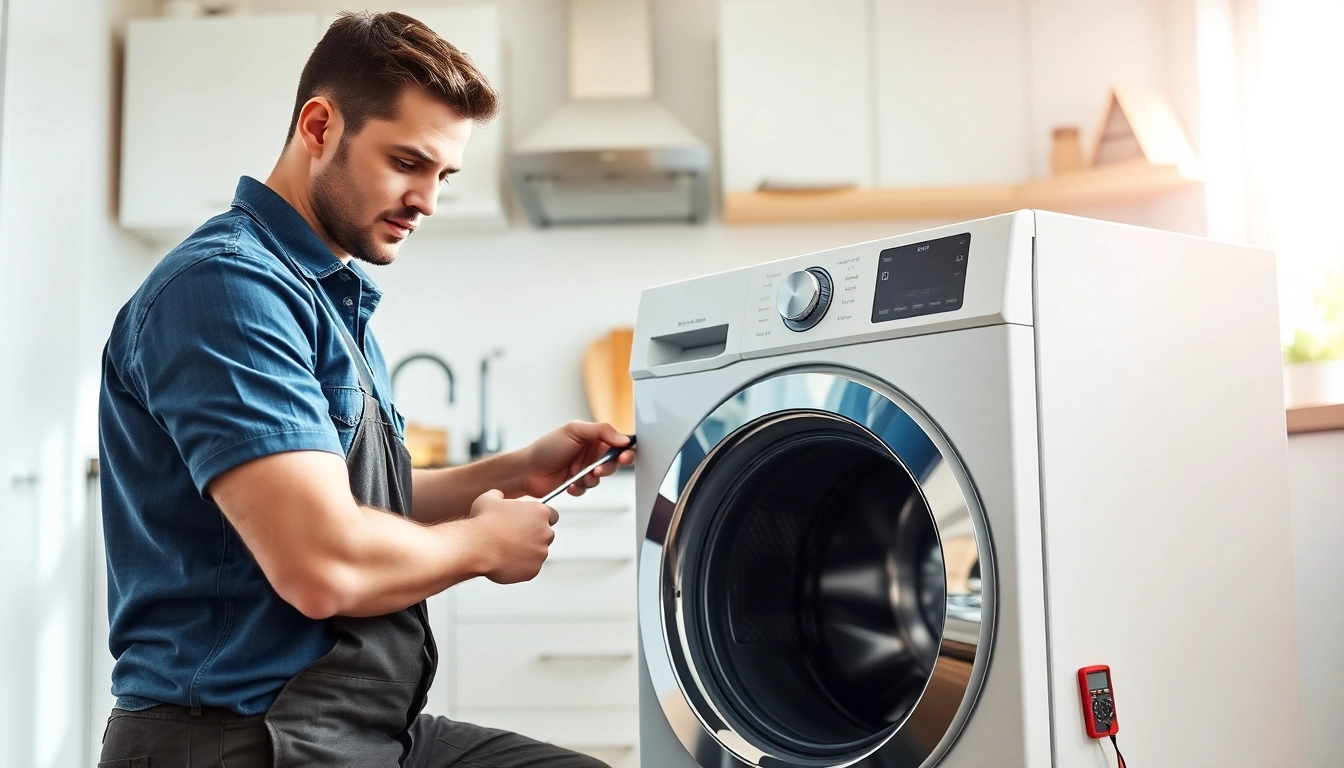
Understanding Appliance Repair Basics
What is Appliance Repair?
Appliance repair involves fixing malfunctioning household appliances to restore them to proper working order. These appliances play essential roles in daily life, handling tasks such as cooking, cleaning, and preserving food. Whether it’s a refrigerator that’s not cooling or a washing machine that’s not spinning, appliance repair encompasses various services aimed at troubleshooting, diagnosing issues, and implementing repairs.
Common Appliances Requiring Repair
Several appliances commonly require repair due to wear and tear, misuse, or age. Key appliances include:
- Refrigerators: Issues often include improper cooling, strange noises, and leaks.
- Washing Machines: Problems may manifest as leaks, failure to spin, or motor-related malfunctions.
- Dryers: Common issues comprise failure to heat, tumbling, and electrical faults.
- Dishwashers: Users might face drainage problems, failure to clean effectively, or malfunctioning doors.
- Ovens and Stoves: Issues might be related to ignition failures, uneven heating, and temperature control problems.
Signs That Your Appliance Needs Repair
Recognizing the signs of appliance distress is crucial for timely repairs, preventing more extensive damage. Some common indicators include:
- Unusual noises such as clanking, grinding, or buzzing.
- Leaking fluids or visible water damage around the appliance.
- Persistent error codes or warning lights displayed on control panels.
- Uncharacteristic odors, especially burning or gas smells.
- Appliances not performing their functions effectively, such as dishes coming out dirty from the dishwasher.
Preparing for Appliance Repair
Essential Tools for Appliance Repair
Having the right tools at your disposal is essential for successful appliance repair. Below are some must-have tools:
- Screwdriver Set: A complete set featuring various sizes and types, including flathead and Phillips screwdrivers.
- Multimeter: Used for measuring electrical values, crucial for diagnosing electrical issues.
- Wrench Set: A varied collection of wrenches helps tackle various fittings and repairs.
- Pliers: Essential for gripping, twisting, and cutting wire or securing small parts.
- Utility Knife: Useful for cutting wires, ropes, or packing materials.
- Tape Measure: Important for measuring space and securing the correct fit for parts.
Safety First: Precautions to Take
Safety should be the primary concern when undertaking any appliance repair. Always remember to:
- Unplug the appliance from its source of power before starting work.
- Use insulated tools when working with electrical components.
- Wear safety goggles to protect your eyes from debris.
- Keep your workspace tidy and free from hazards to prevent accidents.
- Consult your appliance’s manual for specific safety instructions and precautions.
Gathering Necessary Information
Before beginning repairs, collect relevant information about the appliance. This may include:
- The make, model, and serial number to identify specific parts.
- A history of previous issues, repairs, or maintenance performed.
- A copy of the user manual for troubleshooting guidelines and diagrams.
- Search for online resources or forums discussing similar issues encountered by other users.
DIY vs. Professional Appliance Repair
When to DIY Appliance Repair
Homeowners may choose to perform DIY appliance repairs when they have adequate knowledge, experience, and the correct tools. Common scenarios where DIY repairs may be suitable include:
- Replacing a dishwasher’s door latch.
- Unclogging a washing machine’s drain.
- Swapping out a refrigerator’s water filter.
- Changing dryer belts or knobs.
Benefits of Hiring a Professional
While some repairs may be manageable at home, others are best left to professionals due to their expertise. Benefits include:
- Experience: Professionals have extensive training and familiarity with various appliances.
- Time-efficient: They can diagnose and repair malfunctioning parts more quickly due to experience.
- Warranty Protection: Many professional services provide warranties for their repairs.
- Complex Repairs: Certain repairs may involve complicated electrical or structural issues better handled by an expert.
Cost Comparisons: DIY vs. Professional
The cost of appliance repair can vary significantly between DIY and professional services. When considering repairs, weigh these factors:
- DIY repairs primarily involve the cost of parts, which can be lower than service fees.
- Professional charges may include labor costs, which can range from $50 to $150 per hour.
- DIY may save money in the short term, but improper repairs can lead to more extensive and costly damages.
- Consider the time investment and potential risk involved in fixing complex appliances.
Repair Techniques for Common Appliances
Appliance Repair Techniques for Washers
For washing machines, common problems often include not spinning or draining. Here’s a general method for troubleshooting:
- Check for clogs in the drain hose and filter for proper water flow.
- Inspect the belt to ensure it isn’t damaged or worn out.
- Test the lid switch; if it’s defective, the washer cannot operate safely.
- Replace any faulty components identified through these checks.
How to Repair Refrigerators Effectively
Refrigerators can be complicated, but many common problems can be solved. Detailed steps include:
- Start by checking the temperature settings to ensure they are correctly set.
- Listen for unusual sounds; compressor issues often indicate a need for repair.
- Observe the condenser coils and clean them to ensure efficient cooling.
- Inspect the door seals for wear and replace them if they don’t seal properly.
Dishwasher Repair: Step-by-Step Guide
For dishwashers that aren’t draining, follow these steps to repair:
- Examine the drain hose for blockages or kinks.
- Check the filter for debris and clean it to ensure optimal drainage.
- If necessary, inspect and potentially replace the pump as it may fail over time.
- Run a cleaning cycle to eliminate buildup and assess overall performance.
After the Repair: Maintenance Tips
Maintaining Your Appliances Post-Repair
To keep appliances in optimal condition after repairs, consider these maintenance tips:
- Regularly clean filters and vents to prevent clogging.
- Check and replace worn parts before they cause major issues.
- Implement a routine cleaning schedule for all appliances.
- Avoid overloading appliances to promote longevity and performance.
Signs of Future Issues to Watch For
Being vigilant about warning signs can prevent future appliance failures. Key warning signs include:
- Persistent error codes or blinking lights on control panels.
- Increased operational noise compared to when the appliance was new.
- Changes in performance, such as longer cooking times or incomplete cleaning.
- Unusual odors indicating potential electrical or mechanical failure.
Maximizing Appliance Lifespan
Extending the lifespan of your appliances can save money and improve efficiency. Effective strategies include:
- Following the manufacturer's maintenance schedule detailed in the user manual.
- Ensuring proper ventilation around appliances to prevent overheating.
- Using appliances according to their intended purpose to avoid premature wear.
- Replacing older appliances with energy-efficient models when necessary.
FAQs About Appliance Repair
1. How do I know if my appliance is worth repairing?
Assess the repair cost versus the appliance's value. If repairs exceed 50% of the replacement cost, consider buying new.
2. Can I fix my appliance if I have no experience?
Minor issues may be manageable, but for complex or potentially hazardous repairs, hiring a professional is advisable.
3. How can I maintain my appliances effectively?
Regular cleaning, replacing filters, and adhering to the manufacturer's maintenance schedule help improve appliance lifespan.
4. Is DIY repair safe for all appliances?
DIY repair is safe for minor issues only. If unsure, particularly with electrical components, hire a professional technician.
5. What should I do if my appliance is under warranty?
If under warranty, contact the manufacturer or retailer for repair services, as DIY fixes can void your warranty.