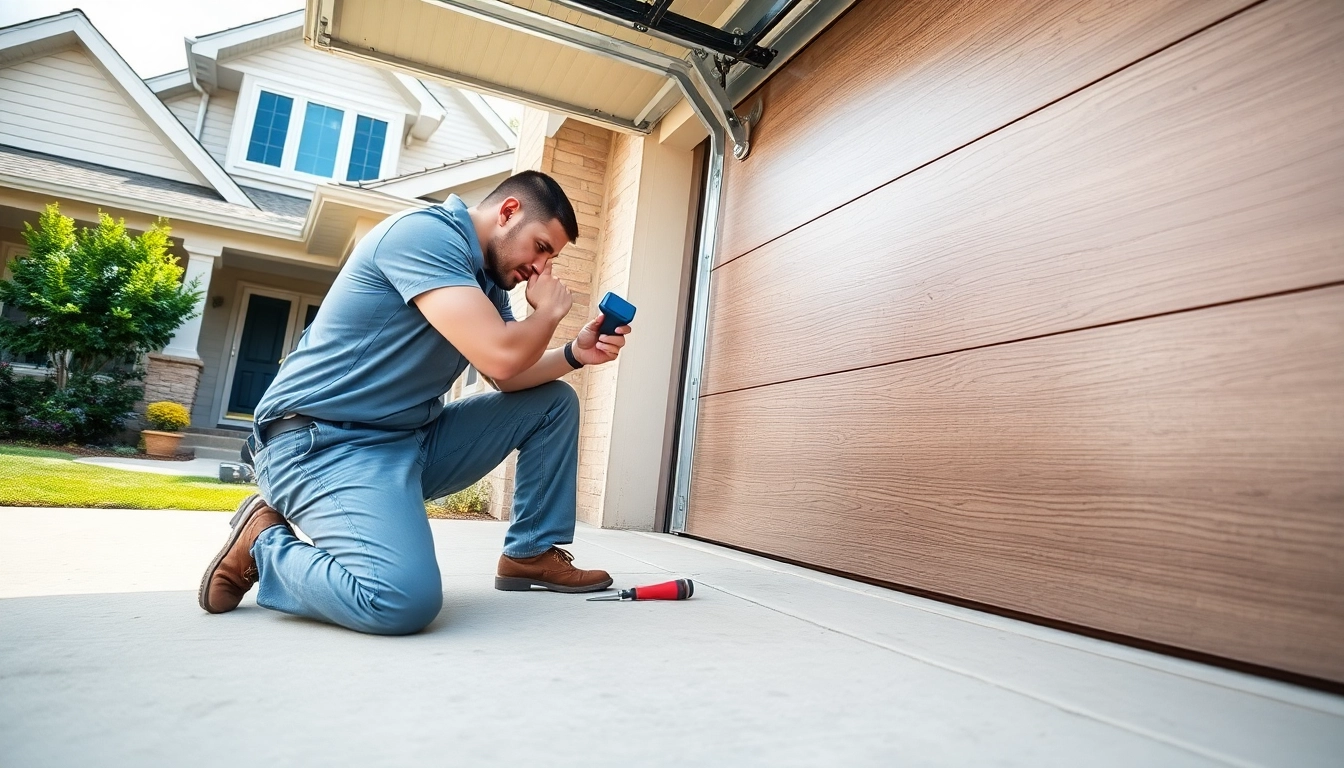
Understanding Garage Door Repair Basics
Garage doors serve as critical components of residential security and convenience. However, like any mechanical system, they can encounter problems that necessitate timely attention. Understanding the foundations of Garage Door Repair can save you time, money, and hassle. This section will cover common issues that arise, the essential tools you'll need, and important safety protocols to consider when undertaking repair work.
Common Garage Door Issues
Garage doors may experience a variety of mechanical or electrical issues that can affect their operation. Some of the most frequently encountered problems include:
- Broken Springs: The springs of a garage door are under high tension and can break over time, resulting in the door becoming inoperable.
- Misaligned Tracks: If the tracks that guide the door get misaligned, it can cause the door to stick, making it difficult to open or close.
- Faulty Openers: Automatic garage door openers may malfunction due to electrical issues, dead batteries, or internal component failure.
- Worn Rollers: Over time, the rollers that help the garage door glide up and down may wear out, resulting in noisy operation or failure.
- Sensor Issues: Most modern garage doors come equipped with safety sensors that can malfunction or become obstructed, preventing the door from closing.
Essential Tools for Garage Door Repair
Having the right tools on hand is vital for effective garage door repair. Whether you're fixing a specific issue or conducting routine maintenance, consider stocking the following:
- Screwdrivers: Both Phillips and flathead screwdrivers are essential for loosening and tightening screws on various components.
- Wrenches: A set of adjustable wrenches will help you handle different sizes of nuts and bolts, particularly when dealing with spring adjustments.
- Lubricants: Silicone or teflon-based lubricants can reduce friction and prolong the life of moving parts.
- Levels: A level helps ensure that your garage door tracks are aligned correctly.
- Safety Gear: Protective glasses, gloves, and sturdy footwear will keep you safe during repair tasks.
Safety Protocols for Repair Work
Safety should always be a priority when conducting garage door repairs. Adhere to the following protocols to minimize risks:
- Disconnect Power: Always unplug the garage door opener before attempting repairs to avoid accidental activation.
- Use Caution with Springs: Garage door springs are under a significant amount of tension and can cause serious injury if handled improperly. Consider consulting a professional for spring replacements.
- Secure the Door: Use a clamp or a vice grip to secure the door in place before working on it, ensuring it doesn’t accidentally fall.
- Work with a Partner: Having someone assist you can provide extra hands and ensure safety during heavy lifting or complex repairs.
Step-by-Step Guide to Garage Door Repair
Many repair tasks can be effectively handled by a homeowner with some basic tools and knowledge. Below is a step-by-step guide to diagnose and repair common garage door issues.
Assessing the Problem
The first step in any garage door repair is to accurately assess the issue at hand. Begin by observing how the door operates. Look for specific symptoms: does it open halfway and stop? Is there a grinding noise? Document any irregularities, then check the following:
- Inspect the cables and springs for any visible wear or damage.
- Ensure that the tracks are clean and free from debris.
- Test the remote and wall switch for functionality.
- Look closely at the sensors to confirm they are not blocked or misaligned.
Repairing Common Mechanical Failures
Once you’ve diagnosed the problem, it’s time to start making repairs. Here are some common mechanical failures and how to address them:
- Replacing Broken Springs: With the door secured, safely release the tension in the broken spring and replace it with a new spring of the same size.
- Realigning Tracks: Loosen the track brackets and gently tap the tracks back into position with a rubber mallet, ensuring they’re vertically aligned.
- Fixing Rollers: Remove the old rollers and replace them with new ones, lubricating them properly to facilitate smooth operation.
Replacing Garage Door Parts
In some cases, individual components may need to be replaced. Here are some commonly replaced parts:
- Door Panels: If the panels are dented or damaged, replacing them can restore the door's appearance and function.
- Garage Door Opener: If your opener is outdated or broken, consider purchasing a new, energy-efficient model to streamline operation.
- Safety Sensors: If the sensors are malfunctioning, replace them with compatible units to ensure operational safety.
Preventive Maintenance for Garage Doors
Regular maintenance can prevent many issues from arising and prolong the lifespan of your garage door. Implement the following maintenance strategies to keep your door in optimal condition.
Regular Inspection Routines
Regular inspections can help identify potential issues early on. Aim for bi-annual inspections at a minimum. During these inspections, be sure to:
- Check the balance of the door by disconnecting the opener and lifting the door manually. It should stay in place without assistance.
- Examine all moving parts, including cables, springs, and rollers for wear and tear.
- Ensure all bolts and screws are tightened, as vibrations can loosen them over time.
Lubrication and Cleaning Techniques
Keep the moving components well-lubricated and clean to ensure smooth operation. Use these techniques to maintain your garage door:
- Lubrication: Apply a suitable lubricant to all moving parts. Focus on springs, rollers, and hinges to reduce noise and improve operation.
- Cleaning: Regularly clean the tracks and surrounding areas to prevent debris accumulation. Use a damp cloth for gentle cleaning, avoiding harsh chemicals that may damage components.
Signs of Wear and Tear to Watch For
Being proactive about wear and tear can save you from more significant repairs. Look out for the following signs:
- Unusual Noises: Grinding, squeaking, or popping noises during door operation can indicate a need for lubrication or repair.
- Sluggish Movement: A door that hesitates or struggles to move could signify misalignment or wear in the tracks or rollers.
- Dents and Dings: Check panels for visible damage, as this can lead to further issues if not addressed promptly.
Choosing the Right Garage Door Repair Service
When repairs become overwhelming or if you prefer to leave it to the professionals, selecting the right garage door repair service is crucial. Here are steps to ensure you choose wisely:
Evaluating Repair Service Credentials
Begin by assessing potential repair services based on their credentials:
- Licensing: Ensure the repair company is licensed and insured for your protection.
- Experience: Research how long the company has been in business, as experience often translates into better service.
- Reviews: Look for testimonials and ratings online to gauge customer satisfaction and reliability.
Comparing Quotes and Services
Once you have narrowed down your options, obtain quotes from a few different companies. When comparing, consider the following:
- Compare the scope of services included in each quote to ensure you're making apples-to-apples comparisons.
- Beware of unusually low quotes, as these may indicate subpar service or hidden fees.
- Ask about any additional costs that may arise during repairs and clarify payment methods.
Understanding Warranty and Guarantees
Always inquire about warranties and guarantees. A reputable garage door repair service should offer some form of warranty on both parts and labor. Ensure you understand:
- What the warranty covers and for how long.
- The terms and conditions for receiving warranty services.
- What voids the warranty to avoid any surprises later on.
Future Trends in Garage Door Repair
As technology and environmental awareness continue to evolve, so do garage door systems and the methods used to repair them. Here are some emerging trends in garage door repair:
Smart Technology Integration in Garage Systems
The integration of smart technology into garage door systems is becoming increasingly popular. Features include:
- Remote Monitoring: Homeowners can monitor their garage doors via smartphone apps, allowing them to check the status from anywhere.
- Automated Alerts: Notifications for open or closed status, allowing users to remotely control their garage door if left open accidentally.
- Integration with Home Security: Smart garage doors can interface with overall home security systems for enhanced safety.
Eco-Friendly Garage Door Options
Environmental sustainability is driving the development of eco-friendly garage doors made from sustainable materials and driven by energy-efficient operations, such as:
- Recycled Materials: Many manufacturers are now offering garage doors made from recycled or sustainable materials.
- Energy-Efficient Insulation: Insulated doors help reduce energy costs by maintaining temperature, which is particularly valuable in regions with extreme climates.
Innovative Tools and Techniques in Repairs
Advancements in repair tools and techniques can enhance efficiency and safety. Innovations include:
- Diagnostic Tools: Modern diagnostic tools can quickly identify issues with electronic openers and provide immediate solutions.
- 3D Printing: Replacement parts can now be created through 3D printing technology, allowing for quicker replacements of obscure components.