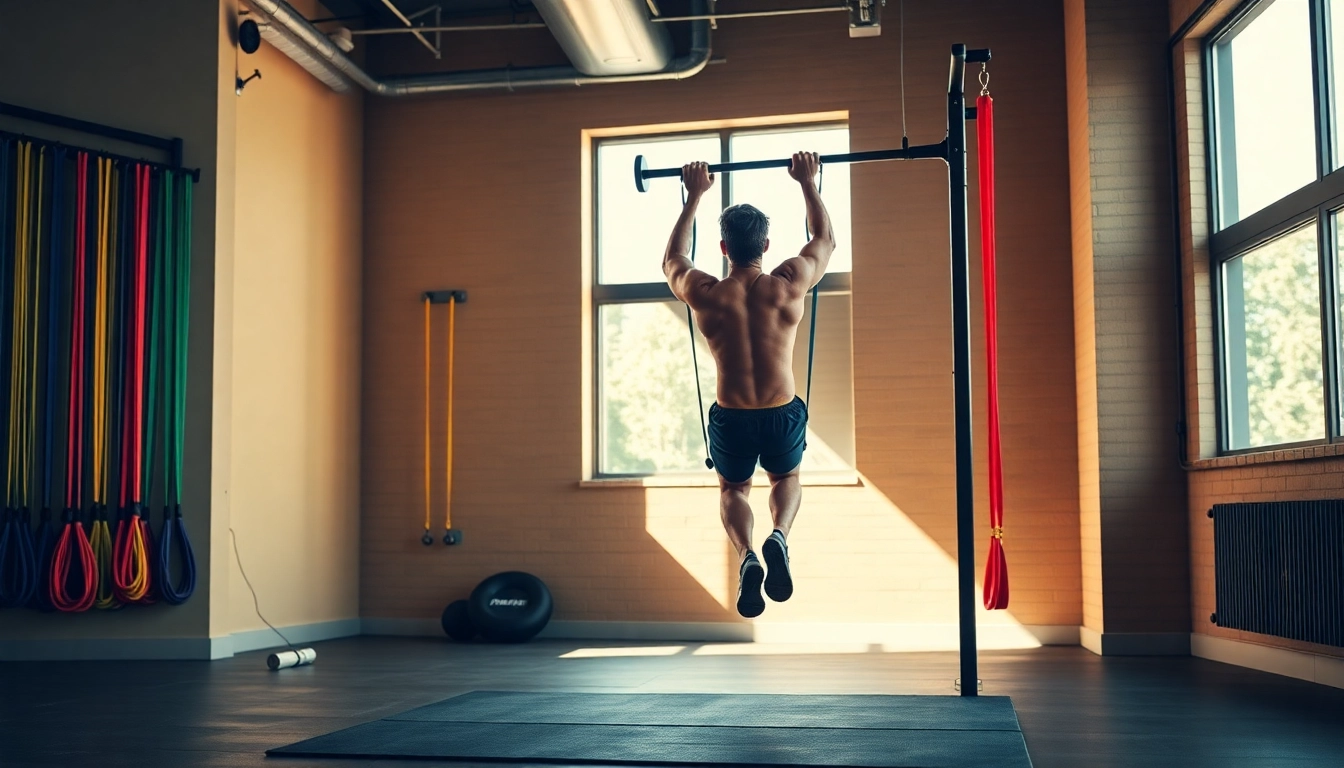
Understanding Assisted Pull-Up Bands
Assisted pull-up bands have revolutionized the way fitness enthusiasts approach the classic pull-up exercise. These resistance bands provide the necessary support for individuals looking to build strength and ultimately achieve their first unassisted pull-up. With various resistance levels available, anyone can incorporate these bands into their training regimen, making them an ideal tool for beginners and advanced athletes alike. When exploring options, assisted pull-up bands offer customizable support tailored to individual fitness needs.
What Are Assisted Pull-Up Bands?
Assisted pull-up bands are elastic bands designed to help individuals perform pull-ups more effectively by reducing the amount of body weight they need to lift. These bands come in various thicknesses and lengths, providing different levels of assistance based on users’ strength and experience levels. Typically, they can be used by attaching one end to a pull-up bar and placing either the knees or feet in the loop, providing a lifting force that aids the upward motion of the pull-up.
Benefits of Using Resistance Bands for Pull-Ups
- Gradual Strength Building: Assisted bands allow users to progressively increase difficulty as they become stronger, enabling a smoother transition from assisted to unassisted pull-ups.
- Joint-Friendly: Bands reduce strain on joints by lowering the impact of body weight during the exercise, making them suitable for individuals recovering from injuries.
- Training Versatility: Beyond pull-ups, these bands can be used for a wide range of exercises, including dips, push-ups, and resistance training, adding variety to workout routines.
Choosing the Right Band for Your Fitness Level
Selecting the appropriate assisted pull-up band is crucial for ensuring effective training. Bands are typically color-coded to indicate their resistance levels, with lighter bands offering less support and heavier bands providing more assistance. Beginners should start with a heavier band to build strength gradually, while more advanced athletes may opt for lighter bands as they progress. Understanding your current fitness level and training goals will guide your choice.
How to Incorporate Assisted Pull-Up Bands into Your Workout
Beginner's Guide to Using Pull-Up Bands
For those new to using assisted pull-up bands, it's important to start with the basics. Begin by securing the band on a stable pull-up bar at a height that allows the band to hang freely. Step into the band with your feet or place your knees in the loop while gripping the bar. Ensure your grip is shoulder-width apart, and as you pull up, focus on engaging your back and arm muscles. Lower yourself back slowly, maintaining control throughout the motion. Gradually decrease the band’s assistance as your strength improves.
Advanced Techniques to Maximize Gains
Once you feel comfortable with basic pull-ups, incorporate variations and advanced techniques. One effective method is to perform negative pull-ups, where you slowly lower yourself from the bar using the band to assist. Additionally, mix in explosive pull-ups, where you pull up with enough force to create a brief pause at the top, engaging fast-twitch muscles for further strength development. Super-setting assisted pull-ups with other upper body exercises can also increase workout intensity and efficiency.
Common Mistakes and How to Avoid Them
While using assisted pull-up bands, some common mistakes can hinder progress. Avoid relying solely on the band to pull yourself up; instead, focus on using your muscles throughout the movement. Another frequent error is not maintaining proper form, which can lead to injury. Always engage your core and keep your shoulders down and back to optimize the effectiveness of each rep. Finally, be careful not to rush your progress; gradually reduce band assistance over time.
Evaluating the Best Assisted Pull-Up Bands on the Market
Top Brands to Consider in 2026
As resistance bands gain popularity, many brands are emerging with innovative options. Prominent brands like Rogue Fitness, Physix Gear, and Rubberbanditz have garnered positive reviews for their quality and durability. When choosing a brand, consider factors such as material strength, elasticity, warranty, and user reviews to make an informed decision.
Comparative Analysis of Price and Quality
When investing in assisted pull-up bands, price can vary significantly based on brand and quality. Generally, higher-priced bands offer better durability and performance. Bands can range from $10 to over $50, with premium options providing additional longevity and support. Consider your budget alongside your fitness goals when selecting the right option for your training regimen.
User Reviews: What Real Customers Are Saying
User reviews serve as a valuable resource when selecting assisted pull-up bands. Many fitness enthusiasts emphasize the importance of resistance levels and band thickness, noting how certain bands facilitated their journey toward unassisted pull-ups. Pay attention to feedback regarding durability, comfort, and ease of use, as these factors can impact your training experience significantly.
Progress Tracking and Goal Setting with Assisted Pull-Up Bands
Setting Realistic Milestones for Your Pull-Up Journey
Establishing realistic milestones is essential for maintaining motivation during your pull-up journey. Start by setting short-term goals, such as completing a set number of assisted pull-ups with the band or progressing to a lighter-band version. Long-term goals might include achieving your first unassisted pull-up within a specified timeframe. Regularly reassessing these targets can help you stay on track and adapt your training as needed.
Using Metrics to Measure Progress Over Time
Tracking progress effectively will help you remain accountable and motivated. Keep a journal or use a fitness app to log the number of assisted pull-ups completed each session, the resistance level of the bands used, and any variations incorporated. Noting improvements in strength or endurance can encourage you to push through plateaus and make necessary adjustments to your training plan.
When to Transition from Assisted to Unassisted Pull-Ups
Recognizing when to transition from assisted to unassisted pull-ups is a significant aspect of your fitness journey. If you can perform multiple repetitions of assisted pull-ups with ease, it's time to gradually reduce band assistance. This may involve using a lighter band or attempting unassisted pull-ups with a spotter for support. Transitioning too soon can lead to frustration, so ensure you feel adequately prepared before making this leap.
Future Trends in Fitness: Resistance Bands and Beyond
Innovations in Resistance Band Technology
The fitness industry is continually evolving, with new innovations enhancing the functionality of resistance bands. Future trends may include smart resistance bands equipped with sensors to monitor performance metrics, allowing users to optimize their workouts based on real-time feedback. Such advancements would enable individuals to tailor their training regimens even further, maximizing the benefits of assisted pull-ups.
How Fitness Communities Are Adopting New Training Methods
Fitness communities have notably embraced resistance bands as versatile training tools. Online forums and social media platforms showcase innovative techniques and variations for assisted pull-ups, fostering a collaborative environment for fitness enthusiasts. Additionally, workout programs that integrate assisted pull-up bands are becoming increasingly popular, emphasizing functional strength and overall fitness levels.
Preparing for the Future of Home Workouts
As home workouts gain traction, resistance bands are set to play a central role in at-home training. The compact and portable nature of these bands makes them ideal for individuals seeking versatile workout solutions without needing extensive equipment. As fitness technology continues to advance, expect to see more effective tools and resources that enhance at-home training experiences, making it easier to achieve fitness goals.