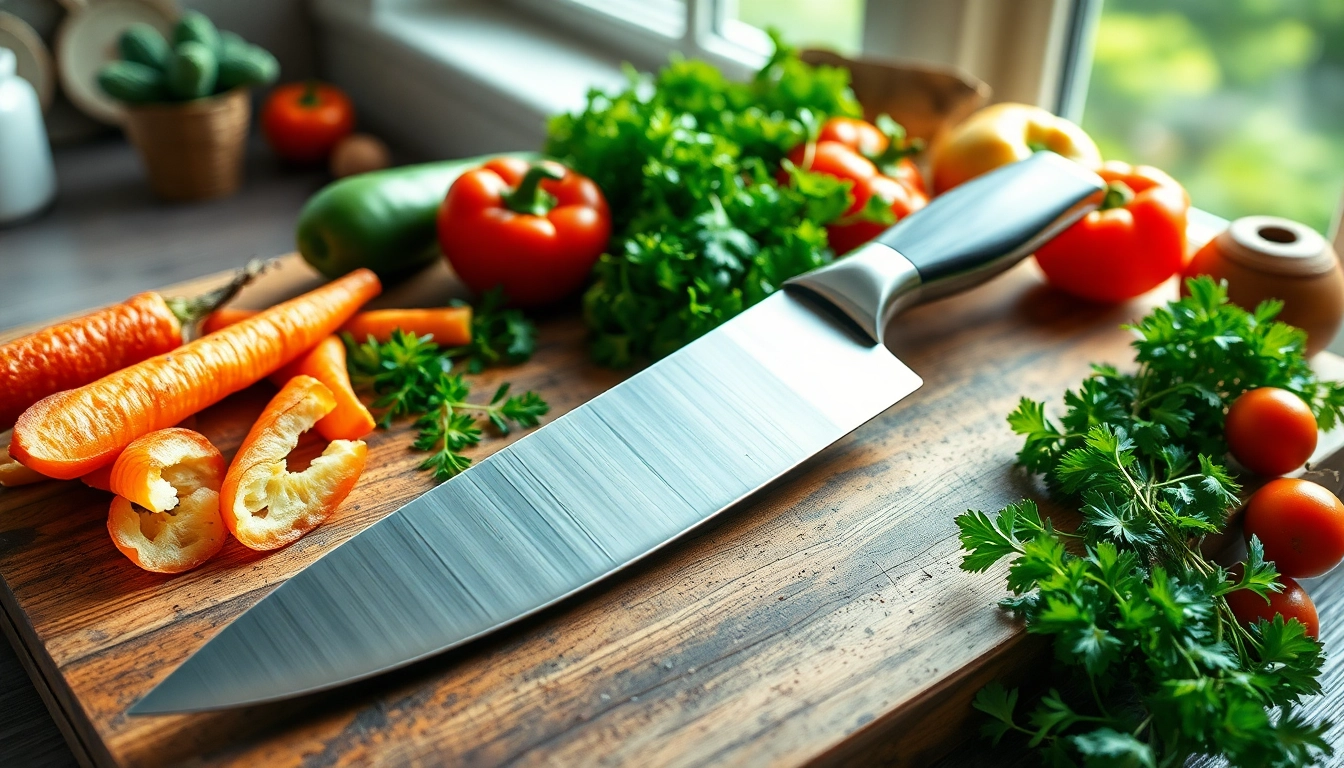
Understanding Chef's Knives
Choosing the right kitchen tools can greatly enhance your culinary experience, and one of the most essential tools in any chef's arsenal is the chef's knife. But how do you go about how to choose a chef’s knife? This guide will cover everything from the basics of what a chef's knife is to intricate details about materials and maintenance.
What Is a Chef's Knife?
A chef's knife is a versatile tool designed primarily for chopping, slicing, and dicing a variety of ingredients. Typically characterized by its broad blade, a chef's knife ranges from 6 to 12 inches in length, allowing chefs to perform various knife techniques effectively. This all-purpose knife is particularly suited for preparing vegetables, fruits, meats, and herbs, making it indispensable for both home cooks and professional chefs alike.
Different Styles of Chef's Knives
Chef's knives come in various styles, each aimed at fulfilling specific culinary tasks. Some common styles include:
- Western Chef's Knife: Typically heavier, with a curved edge to allow for rocking motion in chopping.
- Japanese Gyuto: Lighter and thinner, these knives feature a straight edge for precise cuts.
- Chinese Cleaver: A large, rectangular blade that functions more like a multi-tool for cutting, smashing, and slicing.
Common Materials Used in Chef's Knives
The blade's material significantly affects the knife's performance, durability, and maintenance. Common materials include:
- High Carbon Steel: Renowned for its sharpness and ability to hold an edge, though it can rust if not properly maintained.
- Stainless Steel: Offers corrosion resistance but may require more frequent sharpening.
- VG-10: A premium high-carbon stainless steel favored for its toughness and edge retention.
Key Factors in How to Choose a Chef’s Knife
Blade Length and Weight Considerations
When selecting a chef's knife, the blade's length and weight are crucial factors. A longer blade typically offers better slicing capabilities, while a shorter blade can provide more control. Consider your cooking style; for heavier tasks, a weightier knife might provide the necessary heft, while lighter knives can enhance precision.
Handle Design: Comfort and Grip
The handle is just as important as the blade, influencing comfort and grip during prolonged use. Look for ergonomic designs that fit snugly in your hand. Materials used can vary, including:
- Wood: Natural feel but can require more maintenance.
- Plastic: Durable and easy to clean.
- Composite: Combines properties of wood and plastic.
Balancing the Knife: Importance of Weight Distribution
Balance refers to how the blade's weight and handle distribute through the knife. A well-balanced knife should feel comfortable regardless of the grip style. Hold the knife by the handle and let its blade hang downward. If the knife feels comfortable, it is likely well-balanced.
Choosing the Right Blade Type
Straight Edge vs. Serrated Edge
When pondering how to choose a chef’s knife, consider the edge type. Straight edges make smoother cuts for meats and vegetables. Serrated edges, however, are ideal for slicing through tough surfaces, like bread or tomatoes. Understanding the intended use will guide your decision.
Understanding Blade Materials and Sharpness
A knife's sharpness is closely tied to its blade material and edge grind. Look for what specific manufacturers guarantee regarding sharpness and blade retention. Note that some knives can be honed while others may require professional sharpening.
Choosing Between Forged and Stamped Blades
Forged blades are made from a single piece of steel, typically distinguished by their sturdiness and durability. Stamped blades are cut from a sheet of steel, making them generally lighter and less expensive. Forged knives usually offer better balance and are often preferred by professionals.
Testing and Evaluating Knives
How to Test a Knife's Comfort and Grip
Before finalizing your choice, it’s essential to test the knife’s comfort and grip. Visit a store and hold the knife as you would during cutting. Wiggle it slightly to ensure your grip stays firm and comfortable.
Evaluating Sharpness and Cutting Capability
Assess the knife's sharpness by attempting to slice through paper or a piece of soft fruit like a tomato. If the knife glides through effortlessly, it has good sharpness.
Heft and Balance Test for Suitable Choices
Give the knife a gentle toss in the air or hold it at various angles. It should feel natural and stable in your hands, indicating that it’s well-balanced.
Maintenance and Care of Chef's Knives
Proper Cleaning Techniques
To ensure longevity, wash your knife by hand with warm soapy water after use and dry it immediately. Avoid soaking, as this can damage the handle and blade materials.
Sharpening and Honing Essentials
Regular maintenance includes honing after each use, using a honing rod, and sharpening every 6-12 months with a whetstone or professional service. Keeping a knife sharp not only improves cutting efficiency but also enhances safety in the kitchen.
Storage Solutions for Longevity
Proper storage is key for longevity. Use knife blocks, magnetic strips, or sheaths to avoid blade damage and ensure safety when storing chef's knives. Avoid loose storage that may dull the blade.
Frequently Asked Questions
What is the ideal length for a chef's knife?
The ideal length is often between 8 to 10 inches, striking a balance between control and cutting efficiency for most home cooks.
How do I maintain my chef's knife?
Regular hand washing, honing after each use, and periodic sharpening are essential for maintaining your chef's knife.
Can I use my chef's knife on any surface?
It’s best to use a cutting board made of wood or plastic, as hard surfaces like glass may damage the blade.
Are expensive chef's knives worth it?
While expensive knives often utilize higher quality materials and craftsmanship, it ultimately depends on your cooking needs. Investing in quality can enhance performance and longevity.
What should I look for in a chef's knife?
Look for comfort, balance, sharpness, and the right weight for your cooking style. Test the knife to ensure it feels right in your hands.