Understanding Construction Site Safety
Construction sites are known for their dynamic environments and complex tasks, making construction site safety a top priority. Effective safety measures are not just crucial for compliance; they are fundamentally necessary for safeguarding workers' health and well-being, minimizing accidents, and ensuring projects remain on schedule. Understanding the various elements of construction site safety is essential for all stakeholders involved, from contractors to workers.
Importance of Construction Site Safety
The significance of safety on construction sites cannot be overstated. When proper safety measures are implemented, it leads to a lower incidence of accidents and injuries. A safe working environment also promotes higher morale among workers, which can enhance productivity and efficiency. Furthermore, adhering to safety regulations helps companies avoid legal repercussions and financial losses. In a wider context, construction site safety contributes to the overall reputation of the industry and encourages responsible practices.
Common Hazards on Construction Sites
Construction sites are rife with potential hazards that can lead to serious injuries or fatalities. Some common hazards include:
- Falls: One of the leading causes of injuries, falls can occur from heights or even due to uneven surfaces.
- Inadequate safety gear: The absence of Personal Protective Equipment (PPE) can expose workers to various dangers.
- Equipment accidents: Heavy machinery can be a threat if not operated or maintained correctly.
- Electrocution: Exposed wires and improper equipment can lead to severe electrical injuries.
- Hazardous materials: Exposure to toxic substances like asbestos can have long-term health implications.
Legal Requirements and Standards
Understanding the legal landscape around construction site safety is essential. Various regulations set by government organizations dictate safety standards that must be followed. Compliance with OSHA (Occupational Safety and Health Administration) guidelines is necessary in many regions. These regulations are designed to identify hazards and protect workers. Regular audits and compliance checks are vital to ensure that safety standards are met, minimizing the risk of legal action.
Key Components of Site Safety Plans
Identifying Risks and Hazards
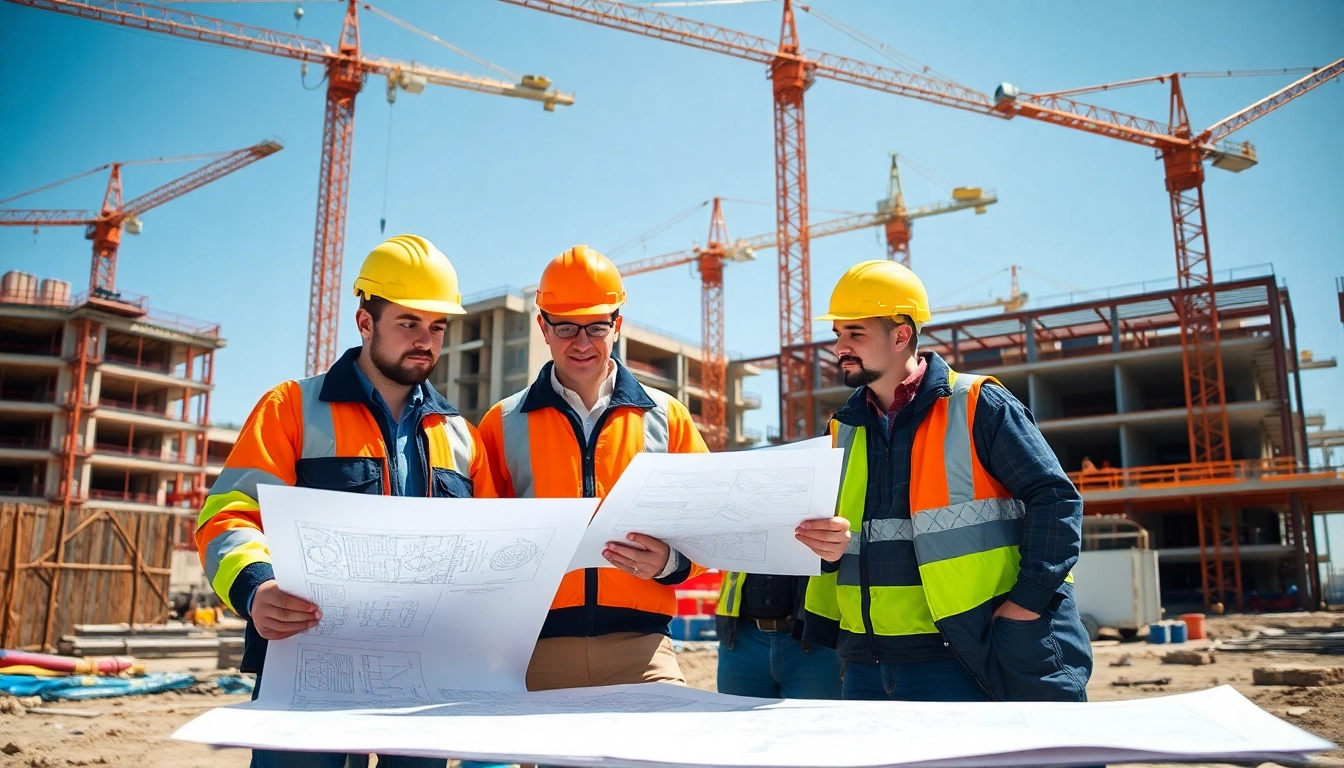
A comprehensive site safety plan begins with a thorough risk assessment. This involves identifying specific hazards related to the particular site and activities involved. Tools such as checklists and safety audits can facilitate this process, enabling teams to pinpoint risks effectively. Moreover, it is vital to continuously update these assessments, as conditions on a construction site can change rapidly.
Implementing Safety Protocols
Once risks and hazards are identified, the next step is implementing effective safety protocols. Establishing clear guidelines for handling incidents, using safety equipment, and conducting regular training sessions are necessary components. Protocols should also include emergency response plans tailored to the types of activities and potential hazards on the site. Regular communication about these protocols is essential to ensuring that all team members are aware and prepared.
Training and Employee Engagement
Training is critical in maintaining a culture of safety on construction sites. Employees should receive ongoing safety training, focusing on emerging hazards and new safety technologies. Engaging workers by involving them in safety discussions can increase adherence to protocols. Programs promoting a 'safety-first' mentality will empower workers to speak up regarding unsafe conditions, leading to proactive risk management.
Best Practices for Everyday Safety
Personal Protective Equipment (PPE)
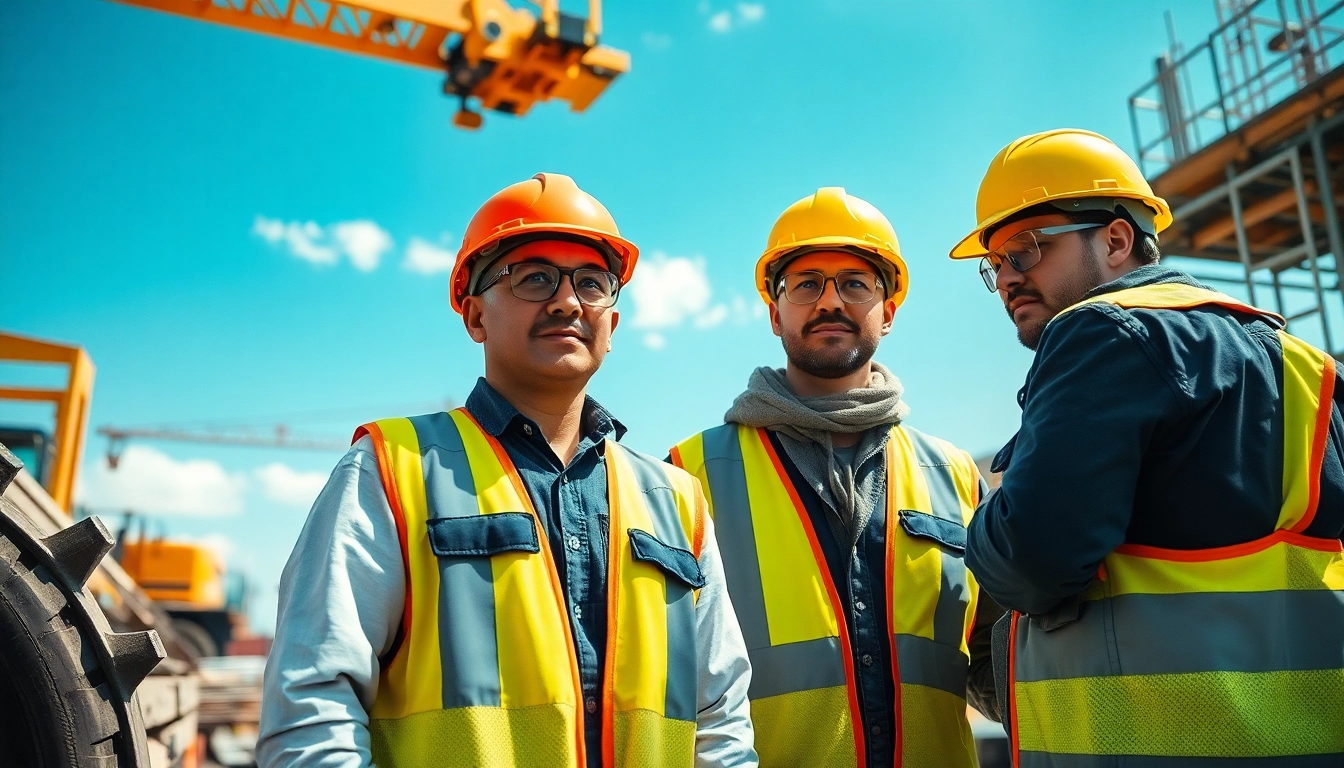
The use of appropriate Personal Protective Equipment (PPE) is non-negotiable on construction sites. Helmets, gloves, goggles, and harnesses are just a few examples of necessary gear that protect workers from injury. Regular inspection and maintenance of PPE are crucial to ensure effectiveness. Additionally, workers should be trained on the correct use of PPE to maximize their protective benefits.
Regular Safety Inspections
Conducting regular safety inspections is vital in identifying potential hazards before they result in injuries. These inspections should be systematic and cover all areas of the construction site. Documentation of findings and immediate corrective actions taken should be recorded. Encouraging workers to participate in inspections fosters awareness and accountability, creating a safer work environment.
Incident Reporting and Investigation
Timely reporting of incidents is crucial for maintaining safety standards. A structured incident reporting system allows workers to report near misses, injuries, or unsafe conditions without fear of retribution. Following an incident, thorough investigations should aim to determine root causes and prevent recurrence. This often involves analyzing procedures, equipment used, and worker training. The outcome should lead to the adjustment of safety protocols as needed.
Technological Advancements in Construction Safety
Using Drones for Site Inspections
Technology is revolutionizing the field of construction safety. Drones can be employed for site inspections, providing a bird’s-eye view that can identify potential hazards otherwise missed from ground level. They can monitor hard-to-reach areas and facilitate inspections without putting workers at risk. By leveraging drone technology, construction teams can proactively address safety risks and ensure compliance with safety protocols.
Wearable Technology in Monitoring Safety
Wearable technology is becoming increasingly popular in construction safety. Devices that monitor heart rate, body temperature, and fatigue levels can alert workers and supervisors to potential health risks in real-time. This technology enhances overall situational awareness and can significantly minimize workplace injuries, as it allows for immediate responses to concerning data trends.
The Future of Safety Equipment Innovations
The future of safety equipment is bright, with innovations continuously emerging. Enhanced materials that improve the durability and comfort of safety gear are being developed. Smart helmets featuring augmented reality can provide workers with vital information and enhance their surroundings. Furthermore, advancements in safety harness design are making them more comfortable and effective, leading to higher compliance rates among workers.
Measuring the Effectiveness of Safety Programs
Key Performance Indicators for Safety
To ensure that safety programs are effective, it is vital to establish clear Key Performance Indicators (KPIs). Metrics such as injury rates, near-miss incidents, and audit results provide data that can be used to gauge performance. Regularly reviewing these KPIs allows for insights into areas needing improvement, helping organizations refine their safety strategies over time.
Employee Feedback and Improvement
Fostering a culture that encourages employee feedback on safety practices is essential for program improvement. Workers on the ground often have the most valuable insights into what works and what doesn't. Surveys, focus groups, and suggestion boxes can be effective tools for gathering this feedback. Responding to employee concerns sets a precedent for continuous improvement and demonstrates management's commitment to safety.
Continuous Training and Education
Continual training and education are paramount for maintaining high safety standards. Regular refresher courses about safety protocols, alongside training on new technologies and procedures, can keep teams informed and safe. Invest in various training formats to accommodate different learning styles, such as hands-on workshops and virtual training sessions, ensuring content reaches every worker effectively.
FAQs
What are the most common hazards on construction sites?
Common hazards include falls from heights, electrocution, equipment accidents, exposure to hazardous materials, and inadequate safety gear.
How can I improve construction site safety?
Improving construction site safety involves regular inspections, implementing effective safety protocols, comprehensive training, and using appropriate PPE.
What should a site safety plan include?
A site safety plan should include risk assessments, safety protocols, emergency procedures, training resources, and guidelines for PPE usage.
Why is incident reporting important?
Incident reporting is important as it helps identify hazards and risks, leading to better safety practices and preventing future accidents.
How can technology enhance construction safety?
Technology can enhance safety through tools like drones for inspections, wearable devices for monitoring health, and innovative safety equipment designs.