Introduction to the Manaslu Circuit Trek
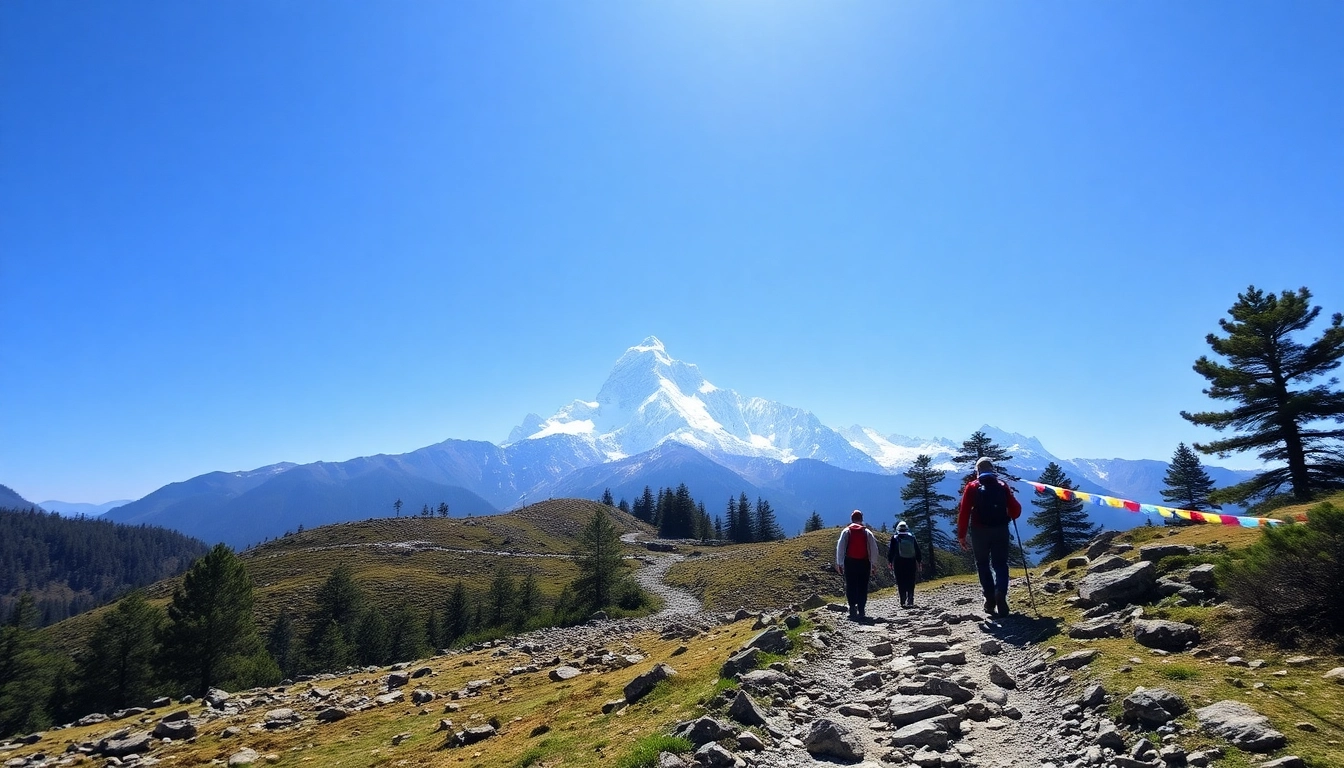
The manaslu circuit trek is more than just a journey through one of Nepal's stunning mountain ranges; it is an immersive experience in culture, wilderness, and adventure. Nestled in the Gorkha district, this trek takes you around Mount Manaslu, the eighth-highest mountain in the world, offering breathtaking views, rich cultural interactions, and a true taste of Himalayan hospitality. As trekking continues to rise in popularity among outdoor enthusiasts, the Manaslu Circuit stands out due to its relatively remote trails, which promise both challenge and solitude. With a commitment to sustainable tourism, this trek provides an opportunity to connect with local communities while exploring the beauty of the Himalayas.
Overview of Manaslu Circuit Trek and its Significance
The Manaslu Circuit Trek spans approximately 177 kilometers (approximately 110 miles) and typically takes about 15 days to complete. This trek is unique due to its blend of stark natural beauty and profound cultural significance. Trekkers will pass through lush forests, terraced fields, and quaint villages where traditional Tibetan culture lives on, offering an authentic glimpse into the lifestyle of the local Gurung and Tibetan communities. The trek is not just a physical challenge but also a cultural pilgrimage that enriches trekkers with the stories and livelihoods of the indigenous people.
History and Cultural Importance of the Region
The region surrounding Manaslu holds great historical significance, shaped by centuries of trade and cultural exchange between Nepal and Tibet. The ancient salt trade routes traversed these hills, and remnants of this rich history can still be seen in the form of monasteries, prayer flags, and stone carvings. Additionally, the diverse flora and fauna found in the Manaslu Conservation Area reflect the ecological importance of this region, making it a UNESCO-recognized site.
What to Expect on the Trek: Highlights and Challenges
Expect to be mesmerized by the sweeping vistas of towering mountains and the tranquil landscapes that unfold as you journey along the trail. Key highlights include the Larkya La Pass, standing at 5,160 meters, where trekkers are rewarded with stunning panoramic views of the surrounding peaks. However, the trek is not without its challenges. Trekking at high altitudes can lead to altitude sickness, and the rugged terrain requires good physical fitness and preparation. Navigating steep ascents and descents, encountering diverse weather conditions, and adapting to the rhythm of the trail are all part of the adventure.
Planning Your Manaslu Circuit Trek
Planning your trek effectively can make a significant difference in your overall experience. From choosing the best time to trek to ensuring you have the necessary gear and permits, proper planning is essential for an enjoyable adventure.
Best Time to Trek: Seasonal Insights for 2025
The best seasons to embark on the Manaslu Circuit Trek are generally from March to May and September to November. During these months, weather conditions tend to be stable, offering clear skies and mild temperatures, perfect for trekking. Spring brings vibrant blooming flowers, while autumn provides clear views of the snow-capped peaks. It is advisable to avoid the monsoon season (June to August) due to heavy rainfall and the possibility of landslides, which can make the trails treacherous.
Essential Packing List for the Manaslu Circuit Trek
When packing for the trek, consider including the following essentials:
- Durable trekking boots with good ankle support
- Warm, layered clothing to adapt to changing temperatures
- Sleeping bag rated for sub-zero temperatures
- Water purification tablets or filters
- First aid kit and personal medications
- Sun protection items such as sunscreen and sunglasses
- Lightweight trekking poles for stability
It’s important to remember that comfort and functionality take precedence over style when trekking in the Himalayas.
Permits Required and How to Obtain Them
To trek in the Manaslu region, you will need several permits, including the Manaslu Conservation Area Permit (MCAP), Manaslu Restricted Area Permit (MRAP), and TIMS card. These permits can be obtained through registered trekking agencies or directly from the Nepal Tourism Board. It is essential to plan ahead, as the application process can take time, especially during busy trekking seasons.
Detailed Itinerary for the Manaslu Circuit Trek
The 15-day itinerary for the Manaslu Circuit Trek is designed to provide ample time for acclimatization and exploration. Below is a day-by-day breakdown of what to expect on this adventurous journey.
Day-by-Day Breakdown of the 15-Day Itinerary
- Day 1: Arrival at Tribhuvan International Airport in Kathmandu and transfer to hotel.
- Day 2: Drive to Machha Khola via Soti Khola (approximately 8-10 hours).
- Day 3: Trek to Jagat from Machha Khola (6-7 hours).
- Day 4: Trek to Deng from Jagat (6-7 hours).
- Day 5: Trek to Namrung from Deng (7-8 hours).
- Day 6: Trek to Lho from Namrung (3-4 hours).
- Day 7: Trek to Samagaon from Lho (3-4 hours).
- Day 8: Acclimatization day at Samagaon; hike to Birendra Lake and Manaslu Base Camp.
- Day 9: Trek to Samdo from Samagaon (3-4 hours).
- Day 10: Trek to Dharmashala from Samdo (4-5 hours).
- Day 11: Trek to Bimthang via Larkya La Pass (8-9 hours).
- Day 12: Trek to Goa from Bimthang (5-6 hours).
- Day 13: Trek to Dharapani from Goa (3-4 hours).
- Day 14: Drive back to Kathmandu from Dharapani (approximately 10-12 hours).
- Day 15: Departure from Kathmandu.
Acclimatization Tips and Strategies
To successfully adapt to the high altitudes of the Manaslu Circuit, it is crucial to allow your body time to acclimatize. This includes:
- Hydrating regularly to prevent altitude sickness.
- Walking slowly and taking breaks.
- Paying attention to your body and recognizing symptoms of altitude sickness early.
- Utilizing acclimatization days judiciously.
Consider spending an additional day in a key location to enable proper acclimatization, which can significantly enhance your trekking experience.
Food and Accommodation Options Along the Trail
Trekking in the Manaslu region offers a mix of local Nepali and Tibetan cuisine. Dishes such as dal bhat (rice and lentils), momos (dumplings), and various noodle dishes are commonly available. Most teahouses along the trail provide basic but clean accommodations, typically in shared rooms. While amenities may be limited, the hospitality of the local hosts will make your stay comfortable.
Navigating the Trek: Tips for Success
To ensure a successful and enjoyable trek, there are several key considerations to keep in mind. These include physical preparation, knowledge of hiking challenges, and awareness of health considerations.
Physical Fitness Preparation for the Manaslu Trek
Engaging in a structured fitness regime aimed at enhancing your endurance and strength is vital for the Manaslu Circuit Trek. Focus on activities that improve cardiovascular fitness and leg strength, such as:
- Hill hikes carrying a backpack.
- Running or cycling.
- Strength training to build core and leg muscles.
Participants should ideally be in good shape prior to their trek, which will not only enhance your experience but also ensure your safety on the challenging terrain.
Common Hiking Challenges and How to Overcome Them
While trekking offers many rewards, it also comes with challenges such as steep ascents, unpredictable weather, and potential altitude sickness. Strategies to combat these challenges include:
- Being mentally prepared to face difficult sections of the trail.
- Adjusting your pace to avoid fatigue.
- Listening to your guide and following their advice.
Staying positive and maintaining a flexible mindset can help you navigate any challenges effectively.
Safety Measures and Health Considerations
The health and safety of trekkers are paramount on the Manaslu Circuit. Ensure that you carry a well-stocked first-aid kit, stay hydrated, and be aware of altitude sickness symptoms. It is also advisable to have comprehensive travel insurance that covers trekking activities.
It is essential that your trekking guides are certified and have first-aid training, ensuring that you are in safe hands throughout your journey.
Experiences Beyond the Trek
While the trek is inherently rewarding, the experiences extend beyond just the physical challenge. Engage with the local populations, discover their traditions, and learn about the unique cultures residing in the shadow of the Himalayas.
Exploring Local Culture and Communities
The Manaslu region is home to diverse ethnic groups, including the Gurungs and Tibetans, each with its own rich tapestry of traditions and customs. Visitors have the chance to witness cultural ceremonies, participate in local festivals, and even learn some traditional practices such as weaving and cooking.
Eco-Tourism and Sustainable Practices in Trekking
As a restricted area, the Manaslu Circuit adheres to strict eco-tourism principles designed to protect the environment and promote sustainable practices. Visitors are encouraged to minimize their ecological footprints, such as by reducing plastic usage and engaging with local economies responsibly.
Extending Your Adventure: Nearby Attractions
If time allows, consider extending your stay to explore more of Nepal’s natural beauty and cultural heritage. Nearby attractions include:
- Gorkha Durbar, a historical palace and UNESCO World Heritage site.
- The Annapurna region for additional trekking opportunities.
- Pokhara, known for its stunning lakes and adventure sports.
These extensions can significantly enhance your overall experience, providing further insight into Nepal's breathtaking landscapes and vibrant cultures.