Understanding Bitcoin Mining Basics
Bitcoin mining is a fundamental aspect of the cryptocurrency ecosystem. It serves as the backbone for Bitcoin transactions, enabling the network to operate efficiently and securely. By solving complex mathematical problems, miners add transactions to the blockchain, a public ledger that records all Bitcoin transactions. This process not only ensures the integrity of the network but also introduces new bitcoins into circulation, rewarding miners for their computational efforts. For those interested in delving deeper into the mechanics of bitcoin mining, understanding the essential concepts and technologies behind it is crucial.
What is Bitcoin Mining?
At its core, Bitcoin mining is the process of validating transactions and adding them to the blockchain. Miners use powerful computers specifically designed to solve cryptographic puzzles. Each time a miner successfully solves a puzzle, they create a new block of transactions and are rewarded with freshly minted bitcoins. This reward system serves two critical purposes: it incentivizes miners to keep the network running and it regulates the issuance of new bitcoins, which is capped at 21 million.
The Technology Behind Bitcoin Mining
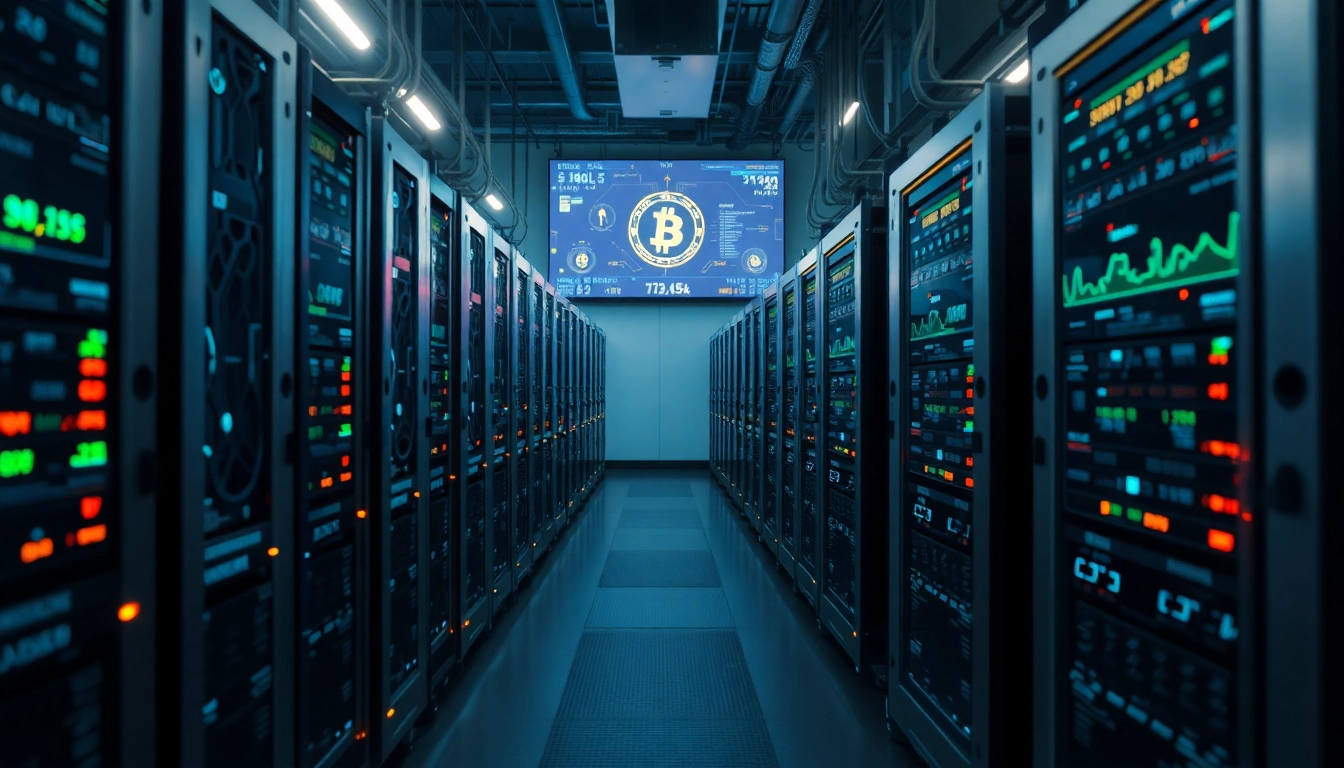
The technology utilized in Bitcoin mining has evolved significantly since its inception. Initially, miners could use standard CPUs to mine bitcoins; however, as Bitcoin gained popularity, the mining landscape quickly became competitive. Today, miners employ Application-Specific Integrated Circuits (ASICs), which are specifically designed for the efficient computation required in Bitcoin mining. These devices offer significantly higher hash rates compared to traditional hardware, making them essential for profitability.
Key Terminology in Bitcoin Mining
- Hash Rate: The speed at which a miner can attempt to solve a puzzle, measured in hashes per second (H/s).
- Mining Pool: A group of miners who combine their computational resources to improve their chances of earning rewards.
- Nonce: A random number used in the mining process to help find a valid hash.
- Block Reward: The reward given to miners for successfully solving a block, which includes both new bitcoins and transaction fees.
How Bitcoin Mining Works
The process of bitcoin mining is intricate, involving several steps that ensure the security and integrity of transactions. Miners first collect transactions from the Bitcoin network and compile them into a candidate block. This block must then be processed through a hashing algorithm, which transforms the block's contents into a hash. Miners adjust the nonce to produce a hash that meets the network's specified difficulty level.
The Process of Mining Bitcoins
When miners begin to work on a new block, they take the transactions to be verified and create a summary of them known as a Merkle tree. This tree allows for a more efficient verification process. Miners then calculate the hash of the block header by combining the previous block's hash, the Merkle root, timestamp, and nonce. If the resulting hash is less than or equal to the difficulty target, they have successfully mined the block, and it can be added to the blockchain.
Mining Difficulty and Its Impact
Bitcoin's mining difficulty is adjusted approximately every two weeks to ensure that the average time between blocks remains around ten minutes. As more miners join the network and total hash power increases, the difficulty rises. This adjustment mechanism prevents the network from becoming too fast or too slow and maintains a steady flow of new bitcoins. Understanding how difficulty impacts profitability is crucial for miners, as it directly affects their chances of successfully mining blocks.
Role of Mining Pools in Bitcoin Mining
Mining pools have emerged as a popular solution for individual miners looking to increase their chances of earning rewards. By joining a pool, miners can combine their computational power and share the rewards based on the resources they contribute. This collaboration allows miners to receive more consistent payouts compared to solo mining, where rewards can be irregular and sporadic.
Profiting from Bitcoin Mining in 2025
As the cryptocurrency landscape evolves, miners must continually assess the profitability of their operations. With the increasing difficulty of mining and fluctuating market prices of bitcoin, understanding the dynamics of profitability becomes paramount.
Assessing Mining Profitability
To determine whether bitcoin mining is a worthwhile investment, miners should consider several factors, including hardware costs, electricity rates, and overall network difficulty. Profitability calculators available online can help prospective miners analyze potential earnings based on current market conditions. However, these calculators are influenced by real-time metrics, which can change quickly within the volatile cryptocurrency market.
Cost Factors to Consider
The primary costs associated with bitcoin mining include the purchase of mining hardware, operational energy costs, and potential overheads like cooling systems. The more efficient the hardware, the lower the electricity consumption and cooling requirements, which can significantly impact profit margins. Additionally, miners should also factor in the costs of joining mining pools, as pool fees can impact overall earnings.
Strategies for Maximizing Earnings
Miners looking to boost their earnings in 2025 should explore a few strategic avenues:
- Optimizing Hardware: Continuously upgrading to the latest ASIC miners can enhance hash rates and energy efficiency.
- Choosing the Right Mining Pool: Researching pool fees and payout structures can maximize returns.
- Time of Mining: Monitoring market trends and mining during peak price periods can yield higher rewards.
Challenges in Bitcoin Mining
No endeavor comes without its challenges, and bitcoin mining is no exception. While many miners see the potential for profit, they must also navigate various obstacles that can influence their ability to mine successfully.
Environmental Concerns Related to Mining
One of the most significant challenges facing bitcoin mining today is its environmental impact. The process requires substantial energy consumption, leading to increased carbon emissions, particularly when fossil fuels power the electricity needed for mining. As public scrutiny grows, miners may face pressure to adopt greener practices or explore alternative energy sources.
Technological Limitations and Solutions
Rapid technological advancements have led to an arms race in mining efficiency. Miners must keep up with these changes to remain competitive. Innovations such as renewable energy sources, like solar or wind power, can mitigate some cost and environmental concerns. Moreover, emerging technologies, like liquid-cooled miners, offer alternative solutions for energy efficiency and operational costs.
Common Misconceptions About Bitcoin Mining
Despite the growing popularity of bitcoin mining, several misconceptions persist. Many believe that mining is only feasible for large corporations, but individual miners can still find success with the right strategies and efficiencies. Another myth is that mining can yield quick riches; in reality, profitability often depends on various unpredictable external factors.
The Future of Bitcoin Mining
Looking ahead, the landscape of bitcoin mining is set to evolve further, influenced by technological, regulatory, and environmental considerations. Staying informed about these changes will be vital for miners aiming to maintain profitability in the years to come.
Emerging Trends in Mining Technology
As the market matures, new trends are likely to emerge in mining technology. This includes innovations in energy efficiency and the integration of artificial intelligence to optimize mining operations. Additionally, blockchain technology may continue to evolve, offering miners new methods of validating transactions that reduce resource consumption.
Regulatory Changes and Their Effects
Governments around the world are increasingly interested in regulating cryptocurrency activities, including mining. Upcoming regulations could affect operational costs and the feasibility of mining in certain regions. Staying abreast of these changes can provide miners with insights into potential shifts in the market and operational strategies.
Preparing for 2025: What Miners Should Anticipate
Looking to 2025, miners should prepare for continued fluctuations in profitability and market dynamics. Keeping an eye on market adoption rates, advancements in mining technology, and regulatory changes will allow miners to adjust their strategies effectively. Additionally, embracing sustainable practices and energy-efficient technologies could provide a competitive edge as environmental concerns grow.