Understanding Industrial Water Transfer Services
Definition and Significance of Industrial Water Transfer Services
Industrial water transfer services are essential for managing the movement of water in operational settings, facilitating the effective transportation of water for various purposes, including cooling, processing, and environmental control. The process plays a critical role in industries such as oil and gas, construction, and manufacturing. By utilizing specific methods and equipment, these services enhance operational efficiency, ensure regulatory compliance, and support sustainable practices. In sectors where water availability is not constant or where high volumes of water are needed at specific times, industrial water transfer services provide a crucial solution.
Applications Across Various Industries
Water is a critical resource in multiple sectors, and its transfer is indispensable to numerous operations:
- Oil and Gas: In this sector, water is essential for hydraulic fracturing, drilling fluid preparation, and controlling well temperatures. Efficient water transfer can significantly reduce operational downtime.
- Construction: Water is needed for dust suppression, concrete mixing, and site preparation. Construction projects typically involve large temporary systems designed for fluid movement.
- Agriculture: Farmers and agronomists require reliable water sourcing and transfer systems for irrigation, livestock watering, and crop processing.
- Mining: Water is used in various processes, including ore processing and dust suppression. Effective water transfer is essential for quality control and operational efficiency in mining operations.
- Municipal Services: Water transfer is vital for municipal firefighting efforts, water treatment facilities, and essential services during emergencies.
Key Components of Effective Water Transfer Systems
The success of any industrial water transfer system depends on several critical components:
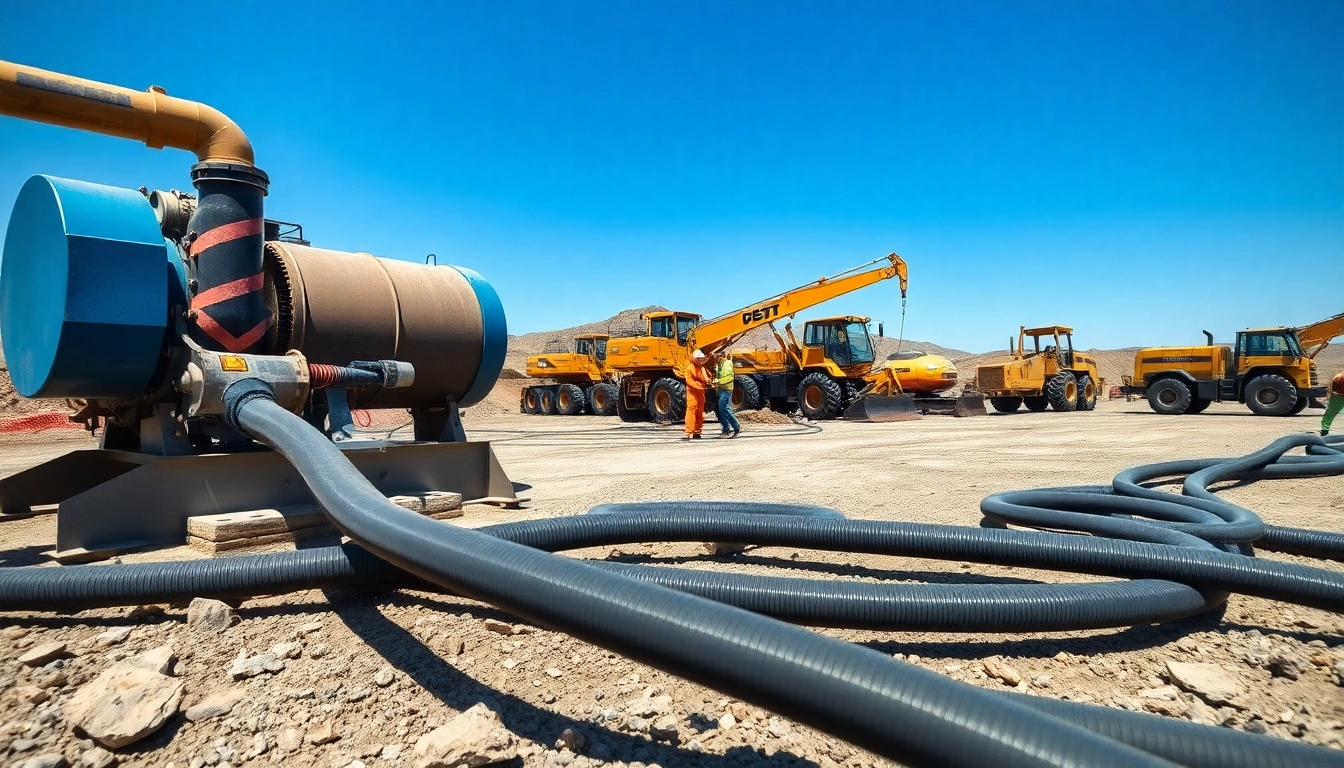
- Pump Systems: These provide the necessary force to move water through pipes. Selecting the right pump type, based on flow rate and pressure requirements, is pivotal.
- Pipeline Infrastructure: This includes hoses, pipes, fittings, and valves designed to transport water over varied distances. The materials used must withstand pressure fluctuations and potential corrosion.
- Storage Solutions: Temporary storage tanks are often required to accommodate fluctuating water levels and ensure an uninterrupted supply.
- Monitoring Systems: Implementing real-time monitoring can help operators manage flow rates, detect leaks, and ensure compliance with safety and environmental regulations.
- Training and Safety Protocols: Adequate training for personnel ensures safety and reduces operation risks associated with water transfer tasks.
Challenges in Implementing Industrial Water Transfer Services
Common Obstacles in Water Transfer Operations
Despite their significance, industrial water transfer services face various challenges:
- Logistical Challenges: Transportation of water can be hindered by geographical constraints or infrastructure inadequacies, slowing down operations and increasing costs.
- Equipment Failures: Breakdowns can lead to significant downtime, emphasizing the need for regular maintenance and robust equipment.
- Weather Conditions: Adverse weather can impede water transfer operations, necessitating contingency planning and flexible systems.
Regulatory Compliance and Environmental Considerations
Water transfer operations must comply with numerous regulations designed to protect the environment:
- Permitting Requirements: Many jurisdictions require permits for water withdrawal and transfer, necessitating careful navigation of local laws.
- Impact Assessments: Operators must conduct environmental impact assessments to understand the potential effects of their activities on local ecosystems.
- Water Quality Standards: Ensuring that the water transferred meets regulatory quality standards is crucial in minimizing environmental risks.
Safety Concerns and Risk Management
Safety is paramount in water transfer services, given the risks involved:
- Personnel Safety: Workers should be trained in safety procedures, personal protective equipment (PPE) usage, and emergency response plans.
- Environmental Hazards: Leaks and spills can lead to environmental damage; therefore, systems must have safeguards to detect and mitigate such occurrences.
Innovative Techniques in Industrial Water Transfer Services
Latest Technologies Improving Efficiency
Technological advancements continue to revolutionize industrial water transfer:
- Aerial Drones: Drones can survey water transfer infrastructure, enabling quicker identification of problem areas without requiring manual inspections.
- Automated Systems: Automation minimizes the potential for human error, streamlining operations and enhancing safety.
- Advanced Pump Designs: Innovations in pump technology increase efficiency, reduce energy consumption, and enhance the durability of systems.
Sustainable Practices and Their Benefits
The move towards sustainability in industrial water transfer services has numerous benefits:
- Water Recycling and Reuse: Implementing systems for recycling water can significantly reduce overall consumption and operational costs.
- Eco-friendly Materials: Utilizing materials for pipelines and storage solutions that have smaller environmental footprints is becoming increasingly important.
- Efficient Use Strategies: Optimizing water use and minimizing waste enhances the overall sustainability of operations.
Case Studies of Successful Implementation
Examining successful implementations offers insights into best practices in the field:
- Oil and Gas Fracking Case: An oil field operation improved water transfer efficiency by 30% using high-capacity pumps and automated monitoring systems, reducing costs significantly.
- Recycling in Construction: A major construction company instituted a water recycling system that minimized fresh water requirements while effectively managing site runoff.
Best Practices for Industrial Water Transfer Services
Planning and Design for Optimal Results
Proper planning is essential for effective water transfer operations:
- Feasibility Studies: Conduct comprehensive studies to assess water needs and the environmental impact of proposed transfer solutions.
- Infrastructure Assessments: Evaluate existing infrastructure capabilities and potential upgrades before designing new systems.
Maintenance Strategies for Longevity and Performance
Regular maintenance is critical for minimizing downtime and maximizing efficiency:
- Scheduled Inspections: Routine inspections help identify wear and tear on pipes and pumps, facilitating early remediation.
- Preventative Maintenance: Emphasize preventative measures such as timely replacement of components to avoid costly repairs.
Training Personnel for Safety and Efficiency
Training employees in safety protocols and operational procedures is essential:
- Regular Training Sessions: Conduct frequent training sessions to keep staff updated on best practices, technology, and safety measures.
- Emergency Response Drills: Regular drills can prepare teams for potential emergencies, ensuring they respond effectively under pressure.
Measuring Success in Industrial Water Transfer Services
Key Performance Indicators to Track Progress
To measure the effectiveness of water transfer operations, organizations should track specific KPIs:
- Flow Rate Efficiency: Monitor the volume of water transferred over a specific time to assess operational efficiency.
- Downtime: Track downtime incidents to identify trends and address recurrent issues.
- Cost per Unit of Water Transferred: Calculate this to evaluate the financial efficiency of water transfer operations.
Evaluating Cost-Effectiveness
Regularly assessing the cost-effectiveness of water transfer services is vital for financial sustainability:
- Return on Investment (ROI): Consider both direct and indirect costs against the expected benefits of water transfer systems.
- Budgeting for Future Needs: Plan for scalability in operations to accommodate future water transfer requirements without incurring excessive costs.
Continual Improvement through Feedback and Adaptation
Engaging in a cycle of feedback and adaptation fortifies operational resilience:
- Stakeholder Feedback: Regularly solicit input from staff and stakeholders to improve practices and systems.
- Data Analysis: Utilizing data from performance metrics can drive refinements in processes and technologies.