Understanding Lighting Service Maintenance
What is Lighting Service Maintenance?
Lighting service maintenance involves the routine inspection, repair, and management of lighting systems to ensure they function correctly and efficiently. This includes not only physical upkeep, such as changing bulbs and cleaning fixtures, but also comprehensive checks on the electrical components and ensuring that everything complies with safety standards. Proper lighting service maintenance is crucial for optimizing the performance and longevity of lighting installations in residential, commercial, and industrial settings.
The Importance of Regular Maintenance
Maintaining lighting systems regularly is essential for several reasons. First, it enhances safety; faulty lighting can obscure hazards, increasing the risk of accidents. Second, it improves energy efficiency. Well-maintained systems consume less power, translating to reduced utility costs. Moreover, regular checks can prevent minor issues from escalating into costly repairs. Ensuring adequate lighting service maintenance optimizes performance, providing better illumination and aesthetic appeal.
Common Lighting Issues and Solutions
Various problems can arise in lighting systems, each requiring different solutions. Common issues include:
- Burnt-out bulbs: Regularly replacing bulbs based on their average lifespan can prevent failure during peak usage times.
- Flickering lights: This could indicate loose wiring or a failing ballast, which should be inspected and repaired immediately.
- Insufficient brightness: This often points to dirty fixtures or outdated bulbs. Cleaning the fixtures and upgrading to higher lumen bulbs can resolve the issue.
- Buzzing sounds: Unusual noises may suggest faulty wiring or outdated ballast. It’s advisable to consult a professional to rectify this.
Best Practices for Lighting Service Maintenance
Creating a Maintenance Schedule
One of the most effective ways to ensure optimal lighting performance is to create a structured maintenance schedule. This can include quarterly or biannual checks, depending on the usage intensity of the lighting systems. A systematic approach to scheduling allows for the timely identification of issues, boosts operational reliability, and minimizes unexpected downtime.
Using the Right Tools and Equipment
Utilizing the appropriate tools and equipment is vital for effective lighting service maintenance. Essential tools include:
- Voltmeters: For checking voltage levels in fixtures.
- Insulation testers: To evaluate the integrity of electrical insulation.
- Ladder or lift: Ensures safe access to high-mounted fixtures.
- Cleaning supplies: Appropriate materials for cleaning lenses and surfaces without causing damage.
Investing in quality tools can significantly enhance the maintenance process, ensuring safety and efficiency.
Ensuring Safety Protocols
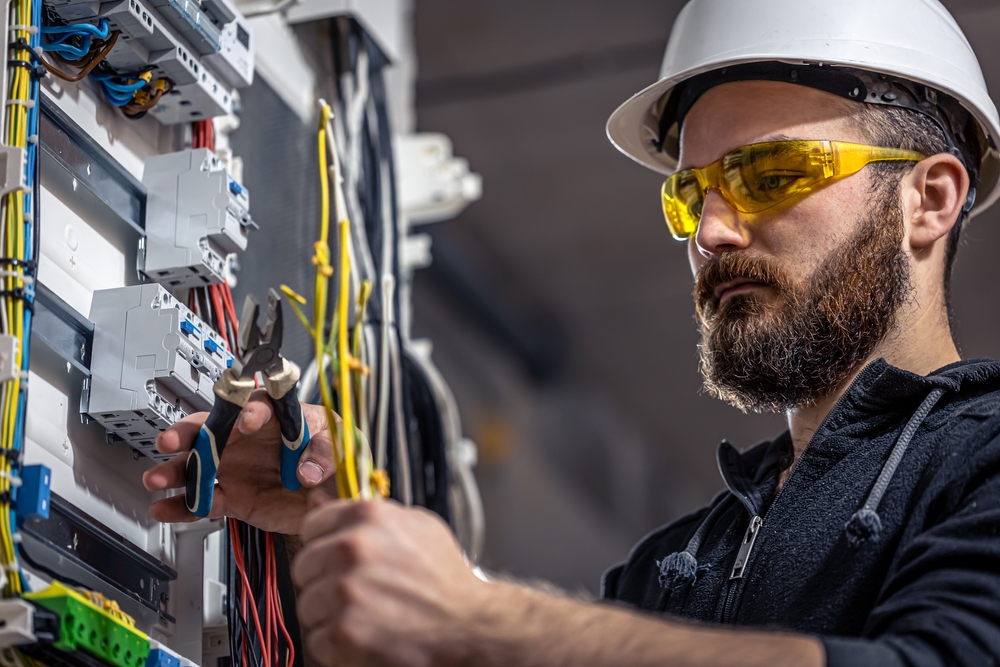
Safety must be at the forefront of any lighting service maintenance routine. This encompasses adhering to electrical safety standards, wearing proper personal protective equipment (PPE), and ensuring that all maintenance activities comply with local regulations. Effective training for personnel on safe methods of handling electrical components is also critical. By prioritizing safety, professionals protect themselves and the integrity of the lighting systems they work on.
Strategies for Troubleshooting Lighting Problems
Diagnosing Electrical Issues
Identifying electrical problems is a crucial aspect of lighting service maintenance. Start by checking the power supply, which may include inspecting breakers or fuses. If power seems normal, proceed to troubleshoot fixtures by ensuring all connections are tight and inspecting for any signs of wear. Keeping schematics and diagrams of the lighting system can greatly assist in diagnosing issues quickly.
Identifying Fixture Failures
Fixture failures can occur due to various reasons, including age, lack of maintenance, or environmental factors. Regular inspections should include checking for corrosion, broken elements, or signs of wear in the fixtures. If issues are detected during inspections, consider replacing components that are beyond repair rather than attempting temporary fixes.
Regular Performance Testing
Conducting performance tests is essential for maintaining the operational efficiency of lighting systems. These tests could involve measuring the actual light output (lumens) against the expected lumens for the installed fixtures. It’s also beneficial to assess the uniformity of light distribution. Regular performance evaluations help to identify areas where additional support may be needed, ensuring that the lighting system meets the desired operational standards.
Advantages of Professional Lighting Service Maintenance
Increased Lifespan of Lighting Fixtures
Regular maintenance extends the lifespan of lighting fixtures. By addressing issues promptly and keeping the systems clean and functional, fixture degradation slows down significantly. Studies have shown that regular upkeep can double or even triple the operational lifespan of well-maintained lighting systems compared to neglected ones.
Energy Efficiency Improvements
Energy efficiency is a primary concern in today’s environmentally conscious world. Well-maintained lighting systems are more efficient, as they do not experience power leakage or excessive strain. By ensuring lighting fixtures operate smoothly, businesses not only cut costs on energy bills but also contribute to reducing their overall carbon footprint.
Crisis Prevention
Proactive maintenance helps prevent crises before they occur. Unscheduled disruptions often stem from neglected systems that suddenly fail. By investing time and resources in regular maintenance checks, organizations can preemptively address potential failures, maintaining a steady operational flow and enhancing overall safety.
Conclusion and Future Trends in Lighting Maintenance
Integration of Smart Technology
The future of lighting service maintenance is leaning towards smart technology integration. Smart lighting systems come equipped with sensors and IoT capabilities that facilitate real-time monitoring and management. This technology can help in predictive maintenance, alerting users to potential issues before they escalate into serious problems.
Eco-Friendly Maintenance Practices
With the rise of sustainability, eco-friendly practices are becoming an essential aspect of lighting service maintenance. This includes using energy-efficient bulbs, adopting environmentally friendly cleaning materials, and implementing recycling programs for old fixtures. Such practices not only decrease environmental impact but also align with global sustainability goals.
Preparing for Future Innovations
As technology evolves, so will lighting service maintenance. Staying informed about emerging trends and innovations in lighting technology will be crucial for maintenance professionals. Continuous education about advancements in energy-efficient technologies, smart controls, and environmentally friendly products can facilitate better maintenance practices in the future.
Frequently Asked Questions
What are the signs that lighting fixtures need maintenance?
Signs include flickering lights, burnt-out bulbs, insufficient brightness, and unusual noises. Regular inspections can help identify these issues early.
How often should lighting systems be maintained?
It’s recommended to perform maintenance checks quarterly or biannually, depending on the usage level and type of lighting system.
Can I do lighting service maintenance myself?
While minor tasks like replacing bulbs can be DIY, it’s best to hire professionals for electrical issues or detailed inspections to ensure safety.
What are the benefits of professional lighting maintenance services?
Professional services provide expertise, timely identification of issues, increased safety, and can extend the lifespan of your lighting systems.
Is smart lighting maintenance worth it?
Yes, smart lighting systems enhance efficiency, reduce costs, and streamline maintenance through real-time monitoring and automated management.