Getting Started with Gardening
Gardening is a fulfilling hobby that connects people with nature while providing the opportunity to cultivate beautiful spaces or homegrown food. Whether you're looking to create a serene oasis or grow your own vegetables, getting into Gardening can be both rewarding and enjoyable. This guide will cover various aspects to help beginners kickstart their gardening journey effectively.
Understanding Different Gardening Styles
Gardening styles vary widely, allowing practitioners to find an approach that suits their preferences and environments. Here’s an overview of some popular styles:
- Vegetable Gardening: Focused on producing edible crops, this style promotes the cultivation of fruits, vegetables, and herbs. Techniques often include raised beds and traditional row gardening.
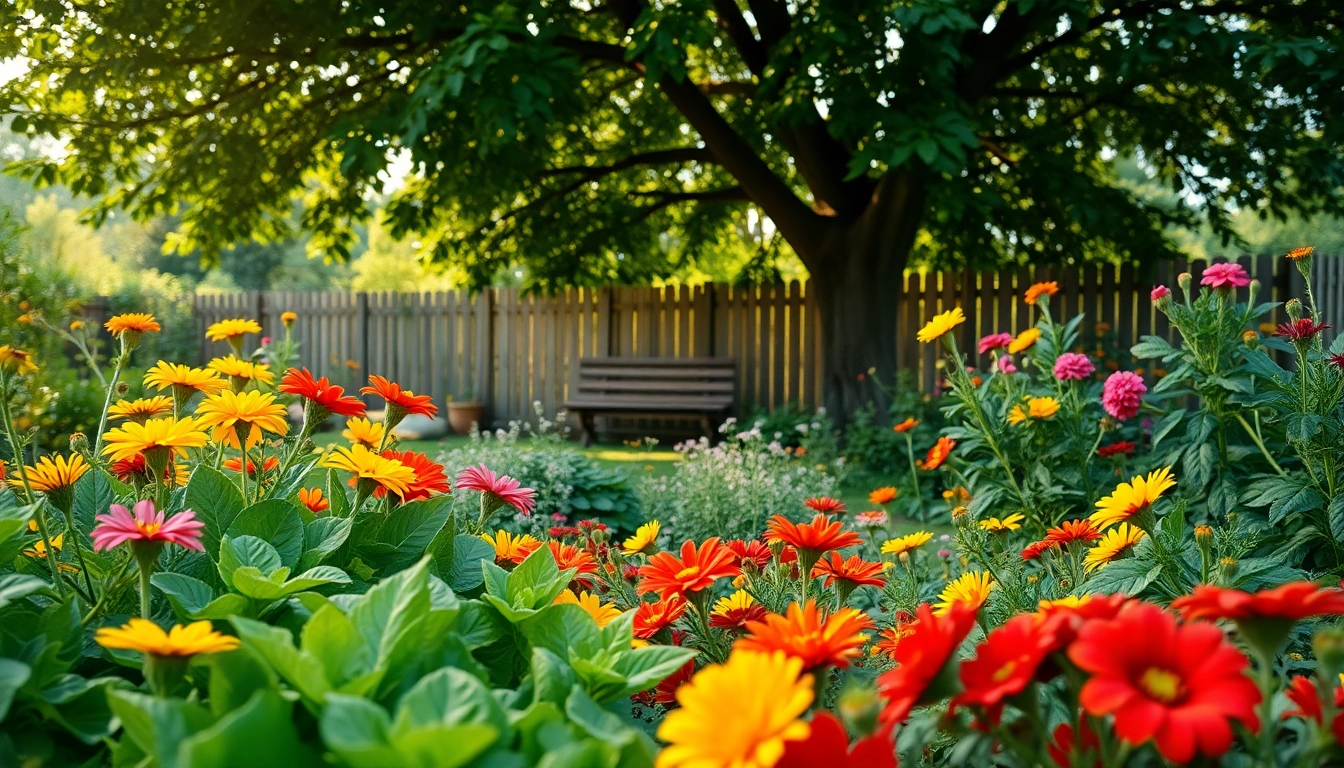
- Flower Gardening: Aimed at creating aesthetically pleasing floral displays, flower gardening focuses on annuals and perennials, with an emphasis on color, height, and bloom times.
- Herb Gardening: This style specializes in edible herbs used for culinary or medicinal purposes. Container gardening is commonly employed due to limited space.
- Landscaping: This involves designing outdoor spaces with trees, shrubs, and flowers, enhancing both the beauty and functionality of an area.
- Container Gardening: Ideal for small spaces or balconies, this style utilizes pots and containers to grow plants, being versatile in design.
Choosing a style depends on your interests, available space, and climate conditions.
Essential Gardening Tools Every Beginner Needs
Equipping yourself with the right tools is essential for effective gardening. Here are some must-have tools for beginners:
- Hand trowel: Perfect for planting, transplanting, and digging small holes.
- Pruning shears: Necessary for cutting back plants and harvesting vegetables.
- Gardening gloves: Protect your hands from dirt, thorns, and irritation.
- Watering can: Essential for providing hydration to plants, especially in dry spells.
- Rake: Useful for leveling soil or gathering leaves and debris.
- Shovel: Ideal for digging holes and turning soil.
Investing in high-quality tools will make your gardening tasks easier and more enjoyable.
Choosing the Right Location for Your Garden
The right location can significantly impact the success of your garden. Consider the following factors:
- Sunlight: Most plants require at least 6 to 8 hours of sunlight daily. Observe the sun’s path to determine the best spot.
- Accessibility: Make sure your garden is easily reachable for regular maintenance, watering, and harvesting.
- Soil Quality: The ground should be well-draining and rich in nutrients. Conduct a soil test to check its pH and nutrient levels.
- Protection from Wind and Pests: Consider placing barriers to protect plants from harsh winds or foraging animals.
Select a site that meets these criteria to establish a thriving garden.
Basic Gardening Techniques
Once you’ve set the groundwork, it’s time to delve into essential gardening techniques.
Soil Preparation for Optimal Plant Growth
Soil preparation is a foundational step in planting. Follow these steps to ensure your soil is ready:
- Test the soil: Use a soil testing kit to measure pH and nutrient levels. Amend the soil based on test results.
- Turn the soil: Use a shovel or tiller to loosen the soil, making it easier for roots to penetrate.
- Add organic matter: Incorporate compost, well-rotted manure, or peat moss to boost nutrient content and improve drainage.
- Level the soil: Rake the soil to create a flat surface, reducing the chance of water pooling.
Well-prepared soil will help plants absorb water and nutrients more effectively.
Watering Methods to Keep Your Garden Healthy
Proper watering techniques are vital for maintaining plant health. Here’s how to establish effective watering practices:
- Deep Watering: Water deeply to encourage roots to grow downwards; this makes plants more resilient during dry periods.
- Frequency: Water during the early morning or late evening to reduce evaporation and encourage absorption.
- Drip Irrigation: Consider using drip systems for efficient water delivery directly to the roots.
- Mulching: Apply organic mulch around plants to help retain moisture in the soil.
Consistently monitoring your plants' water needs will foster healthy growth and development.
Natural Pest Control Strategies
Managing pests organically not only protects your plants but also benefits the broader ecosystem. Here are strategies to consider:
- Encourage Beneficial Insects: Plant flowers like marigolds to attract pollinators and predator insects that help control pest populations.
- Companion Planting: Plant certain crops together that repel, distract, or inhibit pests. For example, basil is known to deter mosquitoes and flies.
- Use Netting or Row Covers: Protect vulnerable plants from pest intrusion without chemicals.
- Homemade Sprays: Create natural insecticidal sprays using soap, water, or neem oil to deter pests without harming beneficial insects.
By implementing these natural pest control techniques, you can effectively manage pests while maintaining an environmentally friendly garden.
Plant Selection and Care
Choosing the right plants and providing adequate care are critical for a flourishing garden.
Choosing the Right Plants for Your Climate
Selecting plants suited to your local climate maximizes your garden’s success. Begin by considering:
- Hardiness Zones: Familiarize yourself with your area’s hardiness zone which indicates which plants can thrive.
- Sun and Shade Tolerance: Understand how much sun or shade your chosen area receives and select plants accordingly.
- Native Plants: Consider incorporating native species, as they are often low-maintenance and well-adapted to local conditions.
Consult local gardening resources or extension services to find suitable plants for your region.
Understanding Plant Lifecycles and Growth Patterns
Understanding how different plants grow aids effective care. Here’s a breakdown:
- Annuals: Complete their lifecycle in one growing season. They require replanting each year but offer vibrant blooms.
- Perennials: Live for multiple years, coming back every season once established, often requiring less maintenance.
- Biennials: Complete their lifecycle in two years, with growth in the first year and flowering in the second year.
- Growth Patterns: Know if a plant is vining, upright, or shrubby to position them effectively in your garden layout.
In-depth knowledge of plant lifecycles will help maximize your gardening efforts.
Scheduled Maintenance Practices for Healthy Plants
Regular maintenance is key to plant health. Here are practices to schedule:
- Pruning: Trim dead or diseased branches to promote growth and prevent disease spread.
- Fertilization: Apply organic fertilizers based on plant needs, which can depend on soil quality and plant type.
- Weeding: Regularly remove weeds that compete for nutrients and water, preferably before they set seeds.
- Inspection: Regularly check plants for signs of pests or disease, acting quickly when issues arise.
Creating a maintenance schedule can ensure your plants remain robust throughout the growing seasons.
Advanced Gardening Concepts
For those looking to elevate their gardening skills, advanced concepts offer deeper insights and strategies.
Companion Planting for Better Yields
Companion planting involves pairing plants that mutually benefit each other, enhancing growth, and reducing pest issues. Consider these pairings:
- Tomatoes and Basil: Basil repels pests and enhances the flavor of tomatoes.
- Carrots and Onions: Onions repel carrot flies, while carrots don’t hinder onion growth.
- Corn and Beans: Corn provides support for beans to climb, while beans fix nitrogen in the soil.
Utilizing companion planting can optimize space and plant health in your garden.
Organic Gardening Techniques for Sustainable Growth
Engaging in organic gardening practices promotes sustainability and environmental health. Here are some foundational methods:
- Organic Fertilizers: Use compost, fish emulsion, or manure instead of synthetic fertilizers to enhance soil health.
- Crop Rotation: Rotate crops annually to prevent soil depletion and manage pests and diseases.
- Cover Crops: Planting cover crops during the off-season can enhance soil structure and nutrient levels.
- Natural Pest Management: Focus on ecological balance by attracting beneficial insects and using organic repellents.
Adopting organic techniques will not only support plant health but also encourage biodiversity.
Designing a Garden Layout for Efficiency
An efficient garden design maximizes space and productivity. When planning your layout, consider the following:
- Row Orientation: Arrange rows north to south to allow for optimal sunlight exposure.
- Raised Beds: Consider using raised beds for better drainage and ease of access.
- Accessibility: Ensure paths are wide enough for easy movement and maintenance.
- Succession Planting: Plan for staggered planting times to ensure continuous harvests throughout the season.
Investing time in garden layout can lead to higher yields and easier maintenance.
Common Gardening Challenges and Solutions
Even with the best planning, challenges may arise. Here’s how to tackle some common gardening issues:
Troubleshooting Plant Diseases and Deficiencies
Identifying plant diseases early can help mitigate damage. Here’s how to troubleshoot:
- Yellowing Leaves: Often a sign of nitrogen deficiency; consider adding compost or a nitrogen-rich fertilizer.
- Wilting Plants: Typically indicates underwatering or root disease; assess soil moisture and structure.
- Moldy Soil: Can signify overwatering or poor drainage; improve airflow and adjust watering frequency.
Regularly inspecting your plants will allow you to catch issues early and take action.
Seasonal Gardening Challenges and How to Overcome Them
Gardening comes with seasonal challenges that require adaptability. Consider these common issues:
- Frost Dates: Understand your local frost dates and plant accordingly to prevent damage to tender seedlings.
- Heatwaves: During excessively hot weather, provide shade for young plants and ensure consistent watering.
- Heavy Rain: In cases of heavy precipitation, ensure proper drainage to prevent root rot and fungal diseases.
Being proactive about these seasonal challenges can ensure continued healthy growth.
Maximizing Space in Small Garden Areas
Limited space requires creative solutions to maintain productive yields. Here are some strategies:
- Vertical Gardens: Utilize trellises, wall planters, and hanging baskets to increase growing area without taking up ground space.
- Container Gardening: Grow plants in pots or containers, which can be moved as needed and arranged creatively.
- Intensive Planting: Implement square foot gardening techniques to maximize yield in smaller spaces.
Maximizing your small garden area can lead to successful and rewarding gardening experiences.