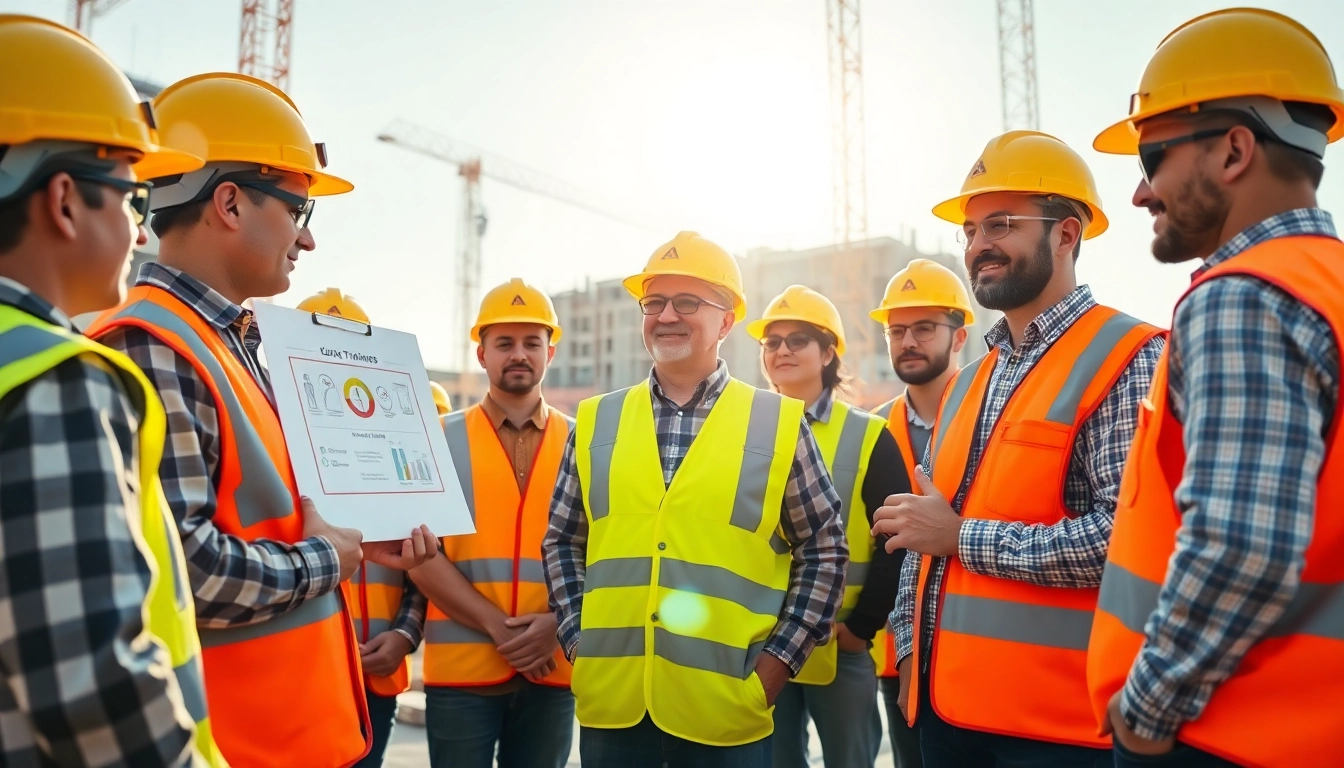
The Importance of Construction Safety Training
In an industry where the stakes are inherently high, ensuring the safety of workers is paramount. Construction safety training plays a critical role in mitigating risks and protecting employees from potential hazards on job sites. Providing effective training not only enhances workplace safety but also fosters a culture of awareness and responsibility among workers. Organizations investing in construction safety training are better positioned to navigate the complexities of safety compliance and worker protection.
Understanding Workplace Hazards
The construction industry is rife with hazards, ranging from falls and equipment accidents to exposure to toxic substances. Understanding these hazards is the first step in creating a safe workplace. Common workplace hazards include:
- Falls: The leading cause of fatalities in construction, falls can occur from ladders, scaffolding, or unprotected edges.
- Electrical Hazards: Workers may be exposed to live wires or overhead power lines, leading to shocks or electrocution.
- Heavy Machinery Accidents: Improper use of machinery can result in serious injuries, making proper training vital.
- Exposure to Harmful Substances: Workers may face risks from asbestos, silicates, and other hazardous materials.
By recognizing these hazards, construction employers can develop targeted training programs that address specific risks, contributing to a safer work environment.
Benefits of Proper Training
The benefits of comprehensive construction safety training extend beyond compliance; they create a safer, more productive workplace. Some of the key advantages include:
- Reduced Accident Rates: Effective training reduces the likelihood of workplace accidents, protecting employees and minimizing downtime.
- Improved Compliance: Regular training helps employers adhere to local, state, and federal safety regulations.
- Enhanced Employee Morale: A safe workplace fosters a sense of security, improving job satisfaction and retention.
- Financial Savings: Reduced accidents lead to lower insurance premiums and less costly legal liabilities, which can significantly boost profitability.
Legal Requirements and Standards
Construction safety training is not only beneficial but often required by law. Different agencies establish regulations that govern workplace safety standards. OSHA (Occupational Safety and Health Administration) sets forth guidelines that employers must comply with, including:
- General Duty Clause: Employers are required to provide a workplace free from recognized hazards.
- Training Requirements: Specific training is mandated in areas such as fall protection, scaffold safety, and hazard communication.
- Recordkeeping: Employers must maintain accurate records of injuries, illnesses, and training provided to employees.
Adhering to these legal requirements not only protects employees but also shields companies from potential fines and lawsuits.
Types of Construction Safety Training Programs
Different types of construction safety training programs cater to the diverse needs of the industry. Selecting the right training option can significantly impact the effectiveness and engagement of the workforce.
On-Site Safety Courses
On-site safety training offers direct engagement and immediate application of skills in the work environment. Features of on-site training include:
- Hands-On Learning: Trainees gain practical experience using safety equipment and tooling under supervision.
- Immediate Feedback: Instructors can provide real-time assessments and adjustments to ensure safe practices.
- Customizability: Training can be tailored to the unique needs of a specific job site or consistent hazards workers may face.
Online Safety Training Options
Online safety training allows flexibility for employees to learn at their own pace. Key components include:
- Accessibility: Workers can access training from any location, making it easier to incorporate into busy schedules.
- Diverse Learning Formats: Training can include videos, quizzes, and interactive simulations to engage various learning styles.
- Tracking Progress: Online platforms can easily track completion and assessment results, making compliance documentation simpler.
Specialized Training for High-Risk Activities
Specialized training programs focus on specific high-risk activities that require adept skill and knowledge. Examples include:
- Confined Space Training: Workers learn techniques to safely enter and work in confined spaces, minimizing risks of entrapment or exposure to hazardous conditions.
- Forklift Operator Certification: Training teaches the safe operation of forklifts and other heavy machinery, emphasizing operational safety and best practices.
- Hazardous Material Handling: Workers are educated on the identification, handling, and disposal of hazardous materials to prevent exposure and environmental contamination.
Best Practices for Implementing Construction Safety Training
Successfully implementing a training program requires a strategic approach. Adopting best practices ensures that the program is efficient, relevant, and effective.
Assessing Training Needs
Understanding the specific training needs of workers is essential for effective programming. Steps to assess training needs include:
- Conducting Hazard Assessments: Identify potential safety hazards in the workplace and determine the training topics needed to mitigate those risks.
- Evaluating Previous Training Outcomes: Reviewing past training results can highlight areas needing improvement or refreshers.
- Gathering Employee Feedback: Solicit input from employees regarding their perceived safety challenges and training gaps.
Creating a Safety Training Plan
A comprehensive training plan outlines objectives, topics to be covered, and methods of delivery. Elements of a successful training plan include:
- Clear Objectives: Setting measurable goals helps in determining the success of the training
- Resource Allocation: Identify the budget, materials, and personnel needed to execute the training effectively.
- Scheduling: Implement a training schedule that accommodates the availability of workers without disrupting operations.
Engaging Employees in Safety Culture
Creating a culture of safety requires buy-in from all levels of the organization. Strategies to foster engagement include:
- Incorporative Leadership: Leadership should actively participate in safety training, showcasing commitment and encouraging employees to prioritize safety.
- Recognition Programs: Developing programs that recognize safe practices and outstanding safety performance motivates employees to uphold safety standards.
- Open Communication: Encouraging employees to voice safety concerns fosters an environment where everyone feels invested in workplace safety.
Evaluating the Effectiveness of Safety Training
Measuring the success of safety training is vital for continuous improvement. Evaluative techniques should be employed to gauge impact.
Setting KPIs and Metrics
Establishing key performance indicators (KPIs) allows organizations to objectively measure training effectiveness. Relevant KPIs may include:
- Incident Rates: Monitoring trends in workplace incidents pre- and post-training can demonstrate training impact.
- Training Completion Rates: Assessing the percentage of employees who complete the training can indicate engagement levels.
- Employee Feedback: Gathering post-training surveys provides insights into the training's perceived effectiveness and relevance.
Feedback Mechanisms
Establishing channels for feedback facilitates open communication. Successful feedback mechanisms involve:
- Surveys and Questionnaires: Collect employee opinions on training relevance, content, and delivery methods.
- Focus Groups: Conducting discussions with diverse employee groups can elicit deeper insights into training effectiveness.
- Incident Investigations: Analyzing incidents can highlight knowledge gaps and inform necessary changes to training programs.
Continuous Improvement Strategies
Training programs should evolve based on feedback and changing industry standards. Strategies for continuous improvement include:
- Regularly Updating Content: Ensure training material reflects current regulations and best practices.
- Implementing Technology: Leverage advancements in learning technologies to enhance training delivery and engagement.
- Frequent Assessments: Periodically review training outcomes to redirect efforts where needed, fostering a culture of excellence.
Frequently Asked Questions about Construction Safety Training
What is construction safety training?
Construction safety training educates workers about the hazards of the job and the best practices for avoiding accidents and injuries on construction sites.
Why is training important for construction workers?
Training is crucial as it equips workers with the knowledge and skills needed to identify risks and respond safely, reducing the likelihood of workplace injuries.
What are some methods for conducting safety training?
Methods include on-site courses, online training modules, and specialized seminars tailored to specific job hazards, including hands-on practice and assessments.
How do you assess the effectiveness of training?
Effectiveness can be assessed by analyzing incident rates, gathering employee feedback, and evaluating the completion rates of training courses.
Are there specific regulations for construction safety training?
Yes, OSHA and other regulatory bodies set forth specific training requirements that employers must meet to ensure a safe work environment.