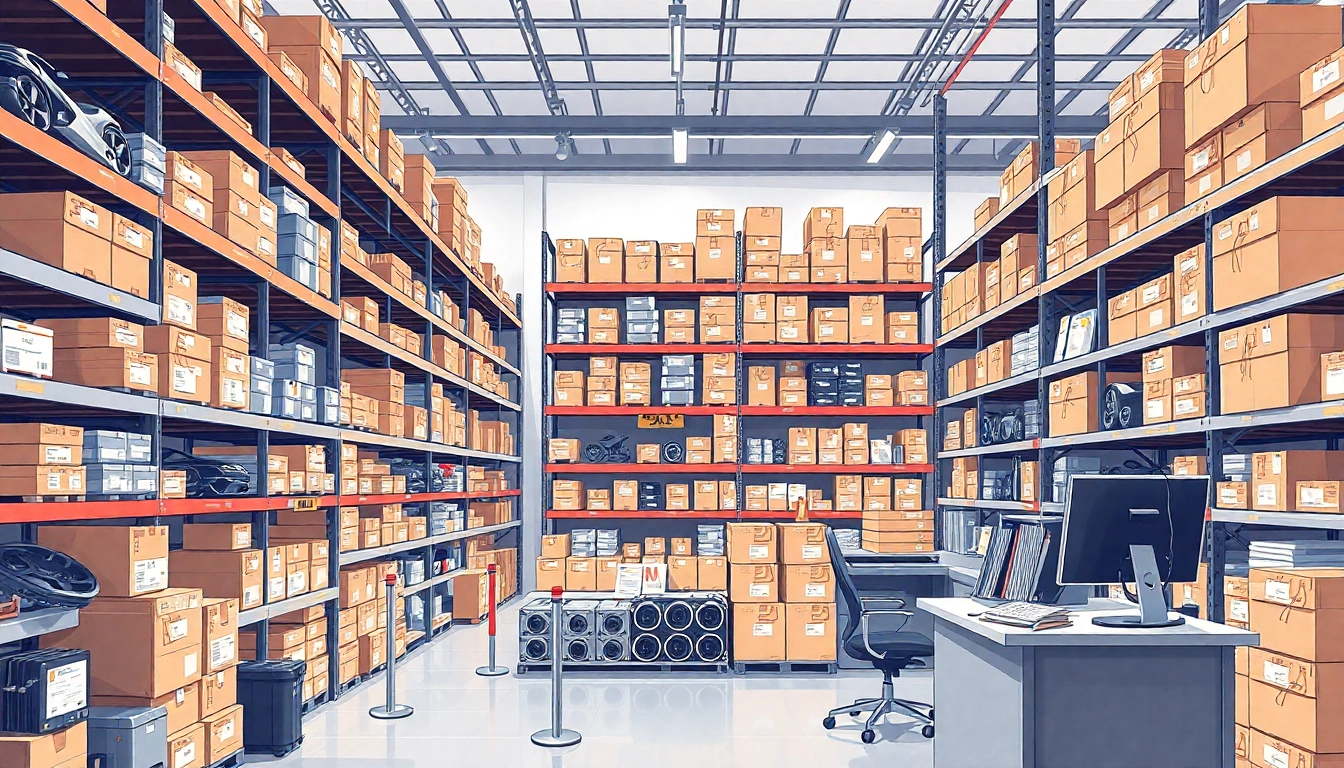
Understanding the Multi-Store Concept
Defining the Multi-Store
The Multi-Store concept represents an innovative retail model that allows businesses to operate multiple stores under a unified brand. This approach is particularly beneficial for firms that want to showcase a diverse range of products and services while maintaining a consistent customer experience. With the rise of e-commerce and digital marketplaces, the Multi-Store model has gained traction, enabling brands to cater to varying customer preferences and buying habits.
Benefits of a Multi-Store Structure
Adopting the Multi-Store structure offers numerous advantages:
- Diverse Product Selection: Each store can specialize in different product lines that appeal to distinct customer segments.
- Brand Cohesion: Operating multiple stores under a single brand fosters a consistent identity and customer loyalty.
- Operational Efficiency: Shared resources across stores can reduce costs and streamline logistics.
- Cross-Promotion Opportunities: Businesses can leverage customer traffic among different stores to boost sales across the board.
- Data Collection: Centralized data management enhances understanding of customer behaviors and preferences across various locations.
Key Differences Between Multi-Store and Single-Store Models
While both models have merits, there are critical distinctions:
- Scope: A Single-Store model concentrates on one location, often leading to a more homogeneous product offering, whereas a Multi-Store model diversifies offerings across various locations.
- Customer Base: Multi-Stores can attract a wider customer base by catering to different demographics in each location.
- Operational Complexity: Multi-Stores require sophisticated inventory and staff management to maintain performance across multiple locations.
- Brand Recognition: Multi-Stores benefit from a larger overall brand presence, which can reinforce marketing efforts.
Designing Your Multi-Store Layout
Effective Product Display Strategies
Product displays are crucial in creating an inviting atmosphere. The layout should facilitate easy navigation and attract customers. Key strategies include:
- Zone Layouts: Organizing products into specific zones can help consumers find what they need quickly.
- Visual Pathways: Creating clear pathways that guide customers through the store allows for better product exposure and encourages impulse purchases.
- Highlighting Promotions: Using eye-catching displays for promotions can draw attention to seasonal or high-margin products.
Utilizing Space for Optimal Navigation
Efficient use of space is paramount in a Multi-Store environment. Consider the following:
- Floor Plan Design: Adopting open floor plans can enhance customer flow, making it easier for shoppers to navigate.
- Signage: Clear and informative signage can direct customers to different sections and improve their overall experience.
- Accessibility: Ensuring that all areas of the store are accessible can widen your customer base, including those with disabilities.
The Role of Visual Merchandising in Multi-Stores
Visual merchandising plays a vital role in the Multi-Store experience. Key aspects include:
- Themed Displays: Creating seasonal or thematic displays can enhance engagement and encourage customer interaction with products.
- Lighting: Proper lighting enhances product appeal and helps direct attention to featured items or displays.
- Storytelling: Utilizing visual elements that tell a story about products can create emotional connections with customers.
Marketing Strategies for Multi-Stores
Targeted Promotions and Discounts
A successful marketing strategy for Multi-Stores involves extending targeted promotions, which can include:
- Localized Offers: Customizing deals based on regional customer preferences can enhance marketing effectiveness.
- Loyalty Programs: Implementing loyalty programs that span across all locations encourages repeat visits and customer loyalty.
- Time-Limited Discounts: Limited-time offers create urgency, driving foot traffic and sales.
Utilizing Social Media to Drive Traffic
Social media is an essential tool for promoting Multi-Stores. Effective strategies include:
- Platform-Specific Content: Tailoring content to fit specific platforms ensures engagement (e.g., visuals for Instagram, community posts for Facebook).
- Influencer Partnerships: Collaborating with influencers can extend reach and enhance brand credibility.
- User-Generated Content: Encouraging customers to share their experiences can build community and trust.
Measuring Marketing Effectiveness
To optimize marketing efforts, measure effectiveness through:
- Analytics Tools: Utilize digital analytics to track campaign performance and customer engagement metrics.
- Feedback Mechanisms: Collect customer feedback through surveys or reviews to gauge satisfaction and areas for improvement.
- Sales Data Analysis: Regularly reviewing sales performance data can highlight successful strategies and necessary adjustments.
Technology in Multi-Stores
Integrating E-commerce Solutions
In a tech-driven world, integrating e-commerce solutions into your Multi-Store strategy can significantly enhance customer experience. Consider the following:
- Omnichannel Experience: Creating a seamless shopping experience across online and physical stores encourages conversions.
- Inventory Management Systems: Advanced inventory systems enable real-time stock tracking and reduce issues such as overstocking or stockouts.
- Online Booking: Offering customers the ability to book products or services online can enhance convenience and drive in-store traffic.
Using Analytics for Performance Improvement
Utilizing analytics tools is vital for constant performance assessment. Focus on:
- Customer Behavior Mapping: Analyze customer journey data to understand buying patterns and enhance product placement.
- Performance Benchmarking: Track sales data across different locations to identify best and underperforming stores.
- Market Trend Analysis: Keep an eye on market trends to adapt offerings and marketing strategies accordingly.
Customer Engagement through Mobile Apps
Mobile applications can enhance customer engagement in your Multi-Store. Strategies should include:
- Loyalty Features: Incorporate loyalty rewards programs within the app to encourage repeated use and visits.
- Personalized Notifications: Sending targeted push notifications about special offers or new arrivals can drive traffic.
- User-Friendly Interface: Ensure the app is easy to navigate, allowing for smooth shopping experiences and order placements.
Challenges and Solutions in Managing a Multi-Store
Common Operational Challenges
Managing a Multi-Store presents unique challenges. Amongst them are:
- Inventory Management: Balancing stock across multiple locations can lead to inefficiencies and lost sales.
- Staff Coordination: Ensuring consistent training and communication amongst teams can be a logistical challenge.
- Brand Consistency: Maintaining a unified brand voice and image across locations requires continuous effort and oversight.
Strategies for Inventory Management
Addressing inventory challenges can be accomplished through:
- Centralized Inventory System: Implementing a centralized system allows for visibility across all locations, facilitating better stock management.
- Regular Audits: Conducting routine inventory audits helps avoid discrepancies and informs purchasing strategies.
- Supplier Relationships: Building good relationships with suppliers can streamline restocking processes and improve fulfillment reliability.
Training Staff for Multi-Store Operations
Staff training is crucial for effective Multi-Store operation. Key initiatives include:
- Comprehensive Training Programs: Develop programs that provide staff with an in-depth understanding of products, services, and customer engagement techniques.
- Continuous Development: Foster a culture of continuous learning where staff can update their skills and knowledge regularly.
- Inter-Store Partnerships: Encouraging collaboration between different store teams can create a unified culture and share best practices.
Frequently Asked Questions
What is a Multi-Store?
A Multi-Store is a retail model that allows businesses to operate several stores under one brand, often showcasing varied products and services.
Why use a Multi-Store model?
This model enhances customer experience by offering a variety of products in one location, increasing potential sales and customer retention.
What design elements are important for a Multi-Store?
Effective displays, open navigation paths, and engaging visual merchandising are crucial for an inviting Multi-Store layout.
How can technology improve a Multi-Store?
Integrating e-commerce solutions and mobile apps can streamline operations, enhance customer engagement, and provide valuable sales data.
What are common challenges of a Multi-Store?
Common challenges include inventory management, operational complexities, and maintaining consistent branding across different locations.