Understanding the Role of Intercom Systems in Manufacturing Facilities
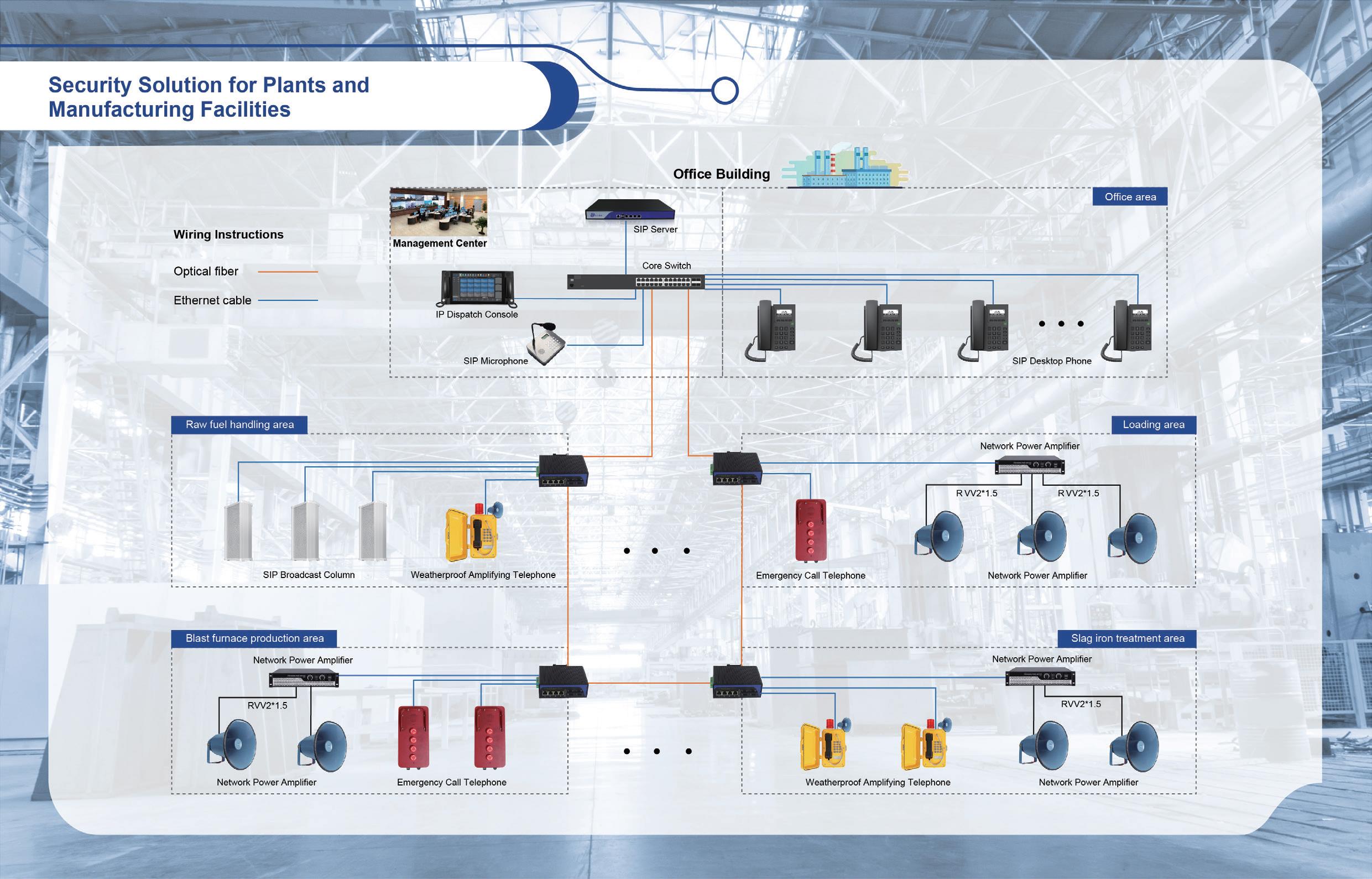
In the fast-paced environment of manufacturing facilities and industrial plants, effective communication is paramount. The integration of a robust intercom system not only enhances worker safety but also optimizes operational efficiency. The Plants & Manufacturing Facilities Intercom System serves as a critical tool for seamless interaction among employees across various sections of the facility. It is essential to grasp its significance fully to leverage its advantages effectively.
Importance of Communication in Industrial Settings
Communication in industrial settings plays a crucial role in ensuring that processes operate smoothly. In environments where noise levels are high, such as manufacturing floors, standard communication methods often fall short. An efficient intercom system fills this gap by enabling clear, real-time communication, which is vital for:
- Safety: Quick and clear notification of safety protocols or emergency situations can prevent accidents and save lives.
- Coordination: Smooth operations depend on the coordination between different departments and teams, which requires constant communication.
- Efficiency: With the ability to quickly address operational imperfections, such systems can significantly reduce downtime and enhance productivity.
- Emergency Response: During emergencies, effective communication can direct personnel swiftly and safely.
Types of Intercom Systems Available
Manufacturing facilities have varied communication needs depending on their size, structure, and operational requirements. Consequently, several types of intercom systems are designed to cater to these needs:
- Wired Intercom Systems: Ideal for facilities where permanent infrastructure allows for installation of wired systems, providing reliable, high-quality sound.
- Wireless Intercom Systems: Suitable for larger facilities or those undergoing frequent modifications, these systems offer flexibility and ease of installation.
- Headset Intercom Systems: Especially beneficial in noisy environments, these allow workers to communicate hands-free, enhancing safe operations.
- IP-based Intercom Systems: Utilizing existing internet Protocol, IP intercoms provide advanced features such as integration with other systems and remote communication capabilities.
Key Features of an Effective Plants & Manufacturing Facilities Intercom System
An effective intercom system for manufacturing facilities should encompass several key features that cater to the unique demands of the industrial environment:
- Durability: Systems must be built to withstand harsh environments, including dust, moisture, and extreme temperatures.
- Scalability: The ability to expand or modify the system as the facility grows or changes is essential.
- Ease of Use: User-friendly interfaces ensure that all staff members can operate the system without extensive training.
- Integration Capabilities: Compatibility with other systems (like alarms or security systems) maximizes functionality.
- Sound Quality: High-quality audio ensures that messages are received clearly, which is critical in noisy environments.
Choosing the Right Intercom System for Your Facility
Selecting the appropriate intercom system for a manufacturing facility is a strategic decision that influences safety and productivity. Here, we outline fundamental considerations for making an informed choice.
Assessing Operational Needs
The first step in choosing an intercom system is to assess the specific communication needs. Consider the following questions:
- What is the size of your facility, and how many communication points do you require?
- What are the primary communication challenges faced by workers?
- How often do operational procedures change, and how flexible must the communication system be?
By understanding these requirements, it becomes easier to tailor an intercom system that aligns with the operational dynamics of the facility.
Evaluating Environmental Challenges
Manufacturing environments often pose unique challenges, such as high noise levels, varying temperature ranges, and potential exposure to hazardous materials. Evaluating these factors is crucial:
- Noisemaking Equipment: Areas near heavy machinery may require specialized equipment that offers clear communication without interference.
- Custom Installation Conditions: Spaces with limited access or unique layouts may necessitate a unique installation approach to ensure optimal coverage.
- Environmental Factors: Deployment of systems in extreme temperatures or chemically hazardous areas calls for ruggedized equipment.
Identifying these obstacles can guide decisions on whether to choose wired or wireless systems or more specialized equipment.
Budget Considerations and Cost Analysis
While the benefits of a solid intercom system are clear, budget constraints can affect decisions. A comprehensive cost analysis should include:
- Initial Purchase Costs: The outlay to buy the system, including hardware and necessary accessories.
- Installation Costs: Labor costs for setup, which can vary greatly depending on system complexity.
- Maintenance Costs: Ongoing expenses associated with system upkeep, including parts replacement and software updates.
- Training Costs: If needed, costs to train employees on using the new system effectively.
By weighing these aspects, facilities can select systems that not only meet their needs but also stay within budget without sacrificing quality.
Installation Best Practices for Intercom Systems
Once the decision on the intercom system is made, proper installation is crucial for optimal functionality. Below are best practices to ensure effective deployment.
Planning the Layout for Optimal Coverage
A well-thought-out layout is essential for ensuring that all areas of the facility can communicate effectively:
- Identify critical communication points: Review the facility layout to determine where communication is most needed.
- Map out speaker and microphone placements: Ensure all areas are within reach and free from obstructions.
- Account for potential interferences: Position devices away from high-noise or distracting equipment whenever possible.
Conducting thorough testing during the installation phase helps ensure optimal audio distribution throughout the facility.
Ensuring Compliance with Safety Standards
Intercom installations must adhere to safety standards and regulations relevant to the industry:
- Electrical Codes: Comply with local and national electrical codes to prevent short circuits and ensure worker safety.
- OSHA Regulations: Ensure that your communication system aligns with Occupational Safety and Health Administration regulations regarding safety equipment.
- Fire Safety Codes: Systems must have appropriately placed devices to facilitate communication during emergencies.
Careful adherence to safety standards not only protects employees but also mitigates legal risks for the organization.
Importance of Professional Installation Services
While some facilities might consider DIY installations, employing professional services often yields far better results:
- Expert Knowledge: Professionals bring expert knowledge about system integrations and can preemptively address potential installation challenges.
- Quality Control: Professionals ensure adherence to safety and industry standards during installation, reducing the likelihood of costly mistakes.
- Post-Installation Support: Professional installers can provide ongoing technical support and maintenance services.
The benefits of hiring professionals often save time and facilitate a better configuration of the intercom system, leading to higher satisfaction among users.
Maintaining Your Intercom System for Longevity
Ensuring the longevity of your intercom system requires proactive maintenance and timely troubleshooting. An actionable maintenance plan can prevent system failures and enhance communication efficiencies over time.
Regular Maintenance Steps and Schedule
Develop a regular maintenance schedule to keep the intercom system in top condition. Important steps should include:
- Quarterly Inspections: Inspect all components for wear and tear, checking connections, audio clarity, and any signs of corrosion or damage.
- Cleaning: Regularly clean microphones, speakers, and other components to remove dust and debris that could impair performance.
- Software Updates: Schedule software updates according to manufacturer guidelines to ensure the system benefits from the latest features and security fixes.
Regular maintenance can prevent emergency repairs and significantly extend the lifespan of communication equipment.
Troubleshooting Common Issues
Even with regular maintenance, issues may still arise. Here are common problems and suggested troubleshooting methods:
- Static or Poor Audio Quality: Check connections, ensure devices are clean, and verify that the systems are configured correctly.
- No Communication: Confirm that power is connected and operational and investigate whether microphones or speakers have failed.
- Interference from Other Devices: Evaluate surrounding devices that may disrupt communication, and consider changing channels or relocating units.
Having a troubleshooting guide can empower staff to identify and resolve simple issues quickly, minimizing disruptions.
Upgrading to Advanced Features Over Time
As technology evolves, organizations should consider upgrading their intercom systems to incorporate advanced features:
- Integration with Mobile Devices: Many modern systems allow for integration with smartphones or tablets, enabling greater flexibility and remote communication.
- Enhanced Security Features: Upgrading to systems that include video capabilities can improve not just communication, but also security monitoring within facilities.
- Data Analytics: Some advanced systems track communication patterns and can provide insights for improved operational efficiency.
By staying ahead of technological developments, organizations can maintain high communication standards while yielding additional benefits.
Real-World Case Studies of Successful Implementations
There are numerous examples of successful intercom system implementations in manufacturing settings that enhance communication quality and operational efficiency. Here are a couple of case studies illustrating these outcomes.
Case Study: Enhanced Safety Protocols through Communication
A leading manufacturing facility faced challenges with safety communication, particularly during emergency evacuations. By implementing a comprehensive Plants & Manufacturing Facilities Intercom System, the organization established clear lines of communication across all areas. This system allowed for instant announcements during emergency drills, leading to a quicker response times and higher overall employee safety. Workers reported feeling more secure and informed during emergencies, substantially reducing incidents of confusion.
Case Study: Increased Productivity with Effective Systems
Another manufacturing facility adopted an advanced intercom system that integrated headset communication capabilities for the assembly line workers. By allowing hands-free communication, this innovation led to an increase in productivity by nearly 20%, as workers could instantly communicate process improvements and issues without halting operations. The visibility of the communication channels enabled real-time problem-solving, positively impacting overall workflow efficiency.
Lessons Learned from Past Installations
A critical lesson learned from previous implementations is the importance of thorough planning and employee training. Facilities that invested upfront in comprehensive training programs reported higher satisfaction and optimal usage rates of the systems. Engaging employees during the selection and installation phases ensures that the system meets real-world needs and is integrated seamlessly into existing workflows.
In conclusion, the deployment of a Plants & Manufacturing Facilities Intercom System is essential for facilitating effective communication within manufacturing environments. By understanding the types and features of intercom systems, choosing the right fit for specific operational needs, ensuring proper installation and maintenance, and learning from real-world examples, manufacturing facilities can increase both their safety protocols and productivity measures substantially.